Polycarbonate vs ABS vs Aluminum Luggage Shells
Learn how to read a luggage materials label, spot PC/ABS blends sold as polycarbonate, and judge each shell by cost per year of use.
 By BuyOnceChoice Editorial Team
Updated November 16, 2026
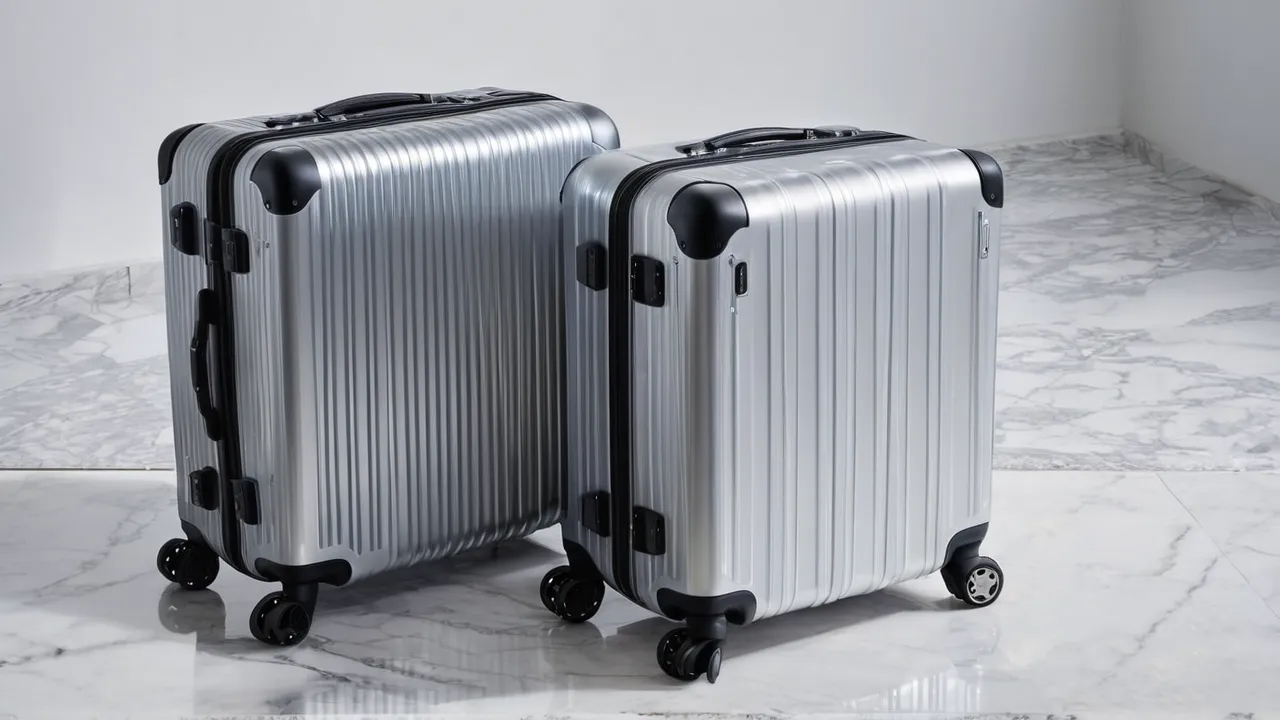
Polycarbonate is the most impact-tolerant of the three common hard shell materials because it flexes and recovers, ABS is stiffer and cheaper but cracks more readily, and aluminum resists crushing but dents and weighs more. The catch is that many bags marketed as polycarbonate are actually blends, so the name on the product page tells you less than the materials label does. This guide shows how to read that label, how each material tends to age, and how to compare shell cost per year of use rather than sticker appeal. For the wider range of hard cases, see the luggage sets category.
What each shell material is good at
Polycarbonate is a thermoplastic known for toughness. In suitcases it is valued because a hit tends to flex the shell, then let it return to shape. Thinner polycarbonate can still crack, especially in cold conditions, but the failure pattern is usually a scuff or a small crack rather than a shattered panel.
ABS is a rigid plastic that is easy to mold and inexpensive. It holds shape well and takes bright colors, which is why it shows up on entry-level cases. Its weakness is brittleness: a hard corner impact is more likely to crack it than flex it.
Aluminum luggage is built from metal panels, usually with ribbed or grooved surfaces. A well-known example of the approach is the brand Rimowa, which has long built aluminum cases. The metal resists crushing and puncture but dents instead of recovering, and it adds empty weight compared with plastic.
The blend problem: reading the materials label
Many shells are blends of polycarbonate and ABS, often written PC/ABS. A blend can be a reasonable compromise: more flex than plain ABS at a lower cost than pure polycarbonate. The issue is marketing. A product title that says polycarbonate may refer to an outer layer only, or to a blend where polycarbonate is a minor share.
Look for the materials line in the product details or on the sewn-in tag, and ask these questions:
- Does it say 100 percent polycarbonate, or only polycarbonate shell, with no composition given?
- Is the material listed as PC/ABS, and does the maker state the ratio? Many do not.
- Is the shell described as a single molded piece or as joined panels?
- Are other terms used, such as polypropylene, which is a different, flexible plastic?
If the composition is not stated, assume a blend and judge the bag by the rest of its construction. Do not pay a premium for the word polycarbonate alone.
How each material ages
Aging shows differently across the three. Polycarbonate tends to scuff and may pick up hairline cracks near wheel wells or corners after hard use. ABS can develop stress cracks or split along edges, and cold weather makes this likelier. Aluminum collects dents and scratches, and some owners treat that patina as part of the look, while others dislike it.
In every case, the shell is rarely the only part that decides the bag’s life. Wheels, handle mounts and the zipper commonly give out first, so a strong shell on a weak frame is a poor value. The failure-point comparison in our guide to hardside and softside luggage covers those weak spots in detail.
Surface finish matters too. Textured or matte shells hide scratches better than glossy ones, which show every scuff within a few trips.
Cost per year of use
The sticker is the wrong comparison. Divide a bag’s purchase cost by the number of years it stays in service and the number of trips you take each year. Because this article does not give price figures, use relative terms: if a premium case costs twice as much as a midrange one, it must stay in service twice as long to match its cost per year.
| Shell type | Typical cost tier | Weight | Likely wear pattern | Best for |
|---|---|---|---|---|
| ABS | Entry-level | Moderate | Cracks at edges | Occasional trips |
| PC/ABS blend | Entry to midrange | Moderate | Scuffs, stress cracks | Frequent flyers on a budget |
| Polycarbonate | Midrange to premium | Light to moderate | Scuffs, hairline cracks | Regular travelers |
| Aluminum | Premium | Heavy | Dents, scratches | Careful owners who value metal |
The table reflects general category knowledge and typical owner experience, not a measured lifespan for any specific bag. Use it to frame the comparison, then check the product page for the actual materials and warranty.
A worked cost per year example
Use relative units. Say an ABS case costs one unit, a polycarbonate case two units and an aluminum case four units. If the ABS case lasts three years, it costs about one third of a unit per year. If the polycarbonate case lasts six years, it also costs about one third of a unit per year, so the extra purchase price is cancelled out by longer service. If the aluminum case lasts twelve years, it again lands near one third of a unit per year, and the extra weight becomes the real trade-off. The lifespans are assumptions for the arithmetic, not measured figures, and a single failed wheel can reset any of them. The point is to ask how long the bag must last to justify its price, then check whether its wheels, zippers and warranty make that plausible.
Verdict by buyer type: a frequent flyer who checks bags should lean polycarbonate or a well-reviewed blend; an occasional traveler should lean ABS and keep the budget for the trip; a careful owner who likes metal and has weight to spare can choose aluminum.
Who should choose which material
Choose polycarbonate if you fly several times a year and want the best balance of weight and impact tolerance. Choose a PC/ABS blend if the price matters and you accept slightly more brittleness. Choose ABS for an occasional suitcase that sits in a closet most of the year. Choose aluminum if you prefer metal, will accept the added weight, and do not mind visible dents.
Skip aluminum if you are close to your airline weight limit on every trip, because the shell alone uses more of the allowance. Skip ABS if you travel in freezing conditions often or check bags with frequent connections. Skip any bag that gives no materials information at all.
Weight, flex and the airline allowance
Shell material affects how much of your airline allowance is left for clothes. Most economy checked bags have a published weight limit, and a heavier empty case leaves less room for contents. Polycarbonate and ABS cases of the same size usually weigh within a modest range of each other, with thinner shells lighter but less forgiving. Aluminum cases tend to weigh noticeably more empty, so compare the manufacturer-stated weight for the exact size you plan to buy.
Flex is the other half of the story. A shell that flexes under a stack of bags absorbs the load, while a rigid shell either holds or cracks. That is why a stiff, thin ABS panel can feel solid in a store yet fail after a few rough baggage cycles. When you press on a display model, a slight give with quick recovery is a good sign. A hollow rattle, a crackling noise or a panel that stays dented is not.
Finally, consider the frame and corners. Some cases add reinforced corner guards or a slightly thicker rim, which spreads impact and protects the zipper track. Because these features are visible in photos and described in specifications, they are easier to judge than the material itself.
Checks to run before you buy
Open the manufacturer specification and find the empty weight, the material, the zipper type and the warranty terms. Compare how the shell is joined to the frame and whether the wheels are bolted or molded. Look at how the warranty treats airline damage, because a long term on paper can exclude the exact failure you fear. The standards this site applies when judging such details are described on our review method page, and the best travel luggage set guide applies the same thinking to specific picks.
Frequently Asked Questions
Is polycarbonate better than ABS for luggage?
Usually for impact tolerance, because polycarbonate flexes and recovers while ABS is stiffer and cracks more readily, especially in cold weather. ABS costs less, though, and suits occasional trips. Many shells are PC/ABS blends, so check the materials label before you pay extra.
Is aluminum luggage worth it?
It can be if you prefer metal, value crush and puncture resistance and can spare the weight, since aluminum cases weigh more empty and dent instead of recovering. If you pack close to your airline weight limit, the shell alone may use too much of the allowance.
How can I tell if a suitcase is real polycarbonate?
Look for the materials line on the product details or sewn-in tag. It may say 100 percent polycarbonate, PC/ABS or give no composition. If the composition is not stated, assume a blend and judge the bag by its wheels, zippers, corners and warranty.
Final Thoughts
Do not let the material name carry the decision. Read the label for the actual composition, treat unlabeled polycarbonate as a possible blend, and weigh the shell against wheels, zippers and warranty terms. Polycarbonate suits most regular travelers, ABS suits occasional ones, and aluminum suits owners who prefer metal and can spare the weight. Compare cost per year of use, not the price tag, and the right shell usually becomes clear.
Related buying guides
- Pre-Trip Luggage Checklist: Weigh, Measure, Inspect
- Signs It Is Time to Replace Your Suitcase
- Smart Luggage Battery Rules: Removable Power Banks
About the author

The BuyOnceChoice Editorial Team researches durable products worth buying once. Our guides compare published specifications, warranty terms, expert review consensus, and verified owner feedback. We do not conduct our own product trials. See How We Review and our Editorial Policy for our standards.