12V vs 18V vs 20V Max Cordless Tools: Pick a Platform
A 20V Max battery is an 18V nominal battery. Learn what the labels mean, what 12V does well and how battery lock in shapes long-term cost.
 By BuyOnceChoice Editorial Team
Updated November 16, 2026
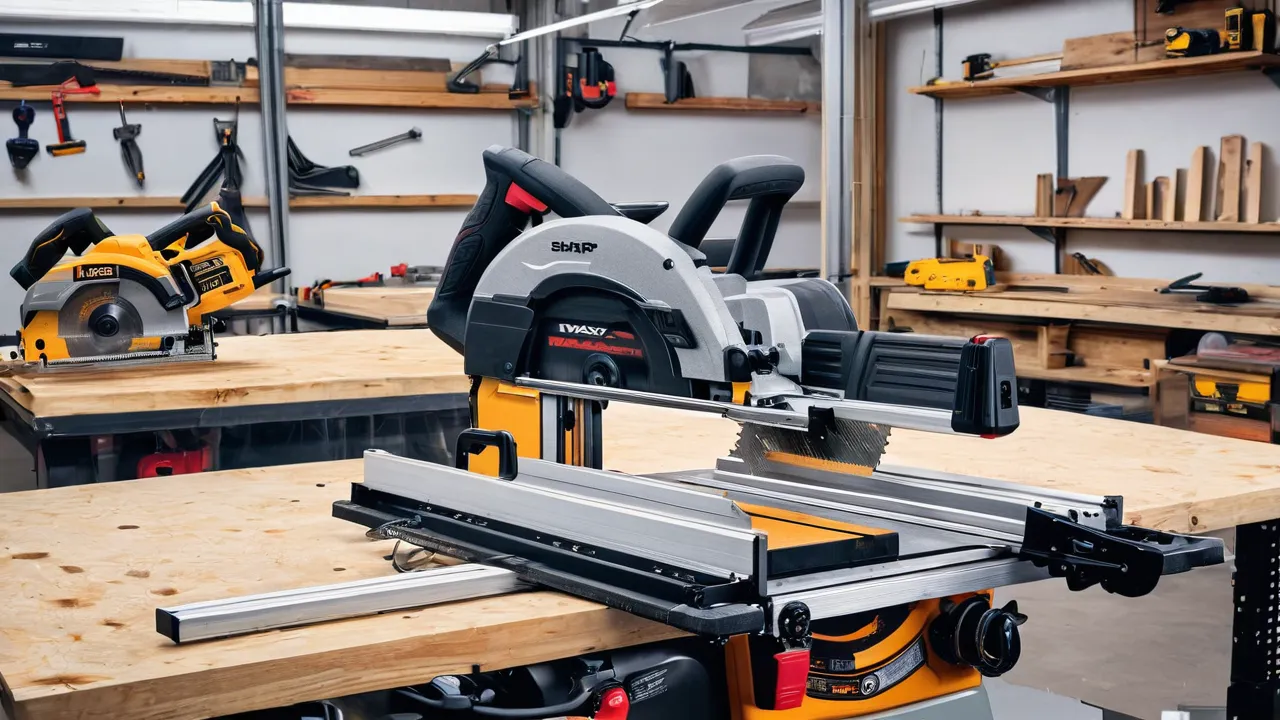
Comparing 12v vs 18v vs 20v cordless tools starts with one fact: 18V and 20V Max usually describe the same class of battery, so the real decision is between a compact system and a full-size one. Choose 12 volt tools for light work such as drilling small holes, driving small screws and working in cabinets. Choose the 18 volt or 20 volt class for general home and shop use, and then pick a brand whose batteries you want to own long term.
20V Max and 18V are not two different things
Lithium-ion cells have a nominal voltage of about 3.6 volts. A pack with five cells in series is therefore 18 volts nominal. Fully charged and measured with no load, those five cells read about 20 volts. Some makers label the pack with that peak figure, hence “20V Max”, while others use the nominal figure and call it 18V. The two labels describe packs of the same class.
So when you compare a 20V Max tool with an 18V tool, the number alone says nothing about power. The motor, the cells, the electronics and the battery capacity decide output. Rely on what a tool is rated to do rather than a voltage label. The same applies to 12 volt labels, which often follow the “Max” convention on a pack of three cells that reads about 12 volts fresh off the charger and 10.8 volts nominal. Check the maker’s spec page, since conventions differ by brand.
What 12V does well
The 12 volt class uses smaller packs and smaller tools. That means lighter weight, a shorter body and less fatigue. A 12V drill or impact driver fits in tight spaces, works overhead for long periods and is easy to carry. For assembly, electrical work, cabinetry, appliance work and light automotive work, it is often all you need.
The limits are power and runtime. Large holes with spade bits or hole saws, long lag screws and heavy driving can overheat or stall a small tool. Compact packs hold less energy, so long sessions need spares. Some makers offer larger tools on the 12V platform such as ratchets and inflators, though the selection is narrower than on the full-size platform.
What 18V and 20V do well
The full-size platform covers the widest range of tools: drills, impact drivers, circular saws, reciprocating saws, grinders, sanders, planers, and on some platforms outdoor equipment such as blowers and trimmers. Batteries come in more capacities, and high-capacity packs run longer or drive larger tools. For a homeowner who builds decks, cuts lumber and maintains a yard, this is the class that makes sense.
The trade-offs are weight and bulk. A drill with a large pack can be tiring over a day of work, and it may not fit into small spaces. Many owners end up with both: full-size for heavy work and a compact 12V drill for cabinets and small jobs. Staying within one brand is possible, but then you carry two battery types and two chargers.
Amp-hours and watt-hours: comparing runtime fairly
Pack capacity is labeled in amp-hours. To compare a 12V pack with an 18V pack, multiply volts by amp-hours to get watt-hours, which is the energy stored. A 2 amp-hour pack at nominal 18 volts stores 36 watt-hours, while a 4 amp-hour pack at nominal 12 volts stores 48 watt-hours. Use nominal voltages to keep the math fair across brands.
Energy is not the whole story, since the tool’s motor and cooling decide how much of it becomes useful work. Even so, this math prevents the trap of comparing amp-hours across voltage classes. Higher-capacity packs weigh more and cost more. A mid-size pack is often the best balance for a drill, while a large pack suits saws and grinders that draw more current. Check the product page for cell count and capacity rather than inferring them from a label like “Max”.
Battery lock-in: the long-run cost
Batteries and chargers are the largest part of a tool’s lifetime cost, and in most cases they cannot be shared between brands. Once you own several tools on a platform, switching means replacing each battery and charger. Third-party adapters exist, but they can void warranties and raise safety concerns, so check the manual and warranty before using one.
That makes the question less “12V or 18V” than “which brand do I want to buy from for a decade?” A buy-once approach looks at five things:
- Tool range: does the platform offer the tools you may want, such as a miter saw, a vacuum or outdoor tools?
- Battery cost and capacity options, including what a replacement pack costs later.
- Service and warranty: read the terms for tools, batteries and chargers, since they vary.
- Retail availability: a platform sold at stores near you is easier to support.
- Platform longevity: a system supported for many years is safer than a newcomer.
Scenarios to picture
A renter who assembles furniture, hangs pictures and changes outlet covers needs a compact 12V drill and perhaps an impact driver, with a small case that stores in a closet. A new homeowner with a fence to build, a deck to repair and a yard to maintain will outgrow 12V within a season. A weekend woodworker who owns a miter saw wants a platform that offers a cordless version. A mechanic working under a car values the small size of a 12V ratchet.
List the five tools you expect to buy in the next two years and check which platform sells all five. If one platform covers four of them and another covers two, that tells you more than any voltage label.
Verdict by buyer type
- Apartment dweller or occasional fixer: 12V kit, one drill and one impact driver.
- New homeowner with outdoor projects: 18V or 20V, with room to add saws and outdoor tools.
- Remodeler or deck builder: 18V or 20V with at least one high-capacity pack.
- Cabinet installer or electrician: 12V for daily work, plus a full-size drill for heavy jobs.
- Collector of one-brand tools: pick the platform with the widest range first, voltage second.
For how we group tools, see the power tools category and the wider tools and garage section. Our how we review page explains how we weigh ownership factors.
Safety and battery care
Use only the charger and batteries the maker specifies, and keep batteries out of heat and direct sun. Do not charge a damaged pack, and do not store loose batteries with metal objects that could short the terminals. Follow the manual for storage temperatures and disposal, and recycle packs at a collection point instead of throwing them away.
Questions to ask before committing to a platform
Spend ten minutes on the maker’s website before you buy a first tool, because the first purchase decides every later one. Look at the full tool list for the platform and mark the tools you expect to need. Check whether the platform has bare-tool options, since buying a tool without a battery lowers the cost of each addition once you own packs. Check whether batteries are sold separately in more than one capacity, and whether chargers come in fast and standard versions.
Read the warranty page for batteries in particular. Battery warranties are often shorter than tool warranties, and terms differ on what counts as normal wear. Look at how the platform handles recalls and support, since a pack that ages out is a certain future cost. If you plan to use tools outdoors in cold weather, check the manual for the operating and charging temperature range, because lithium-ion packs lose runtime in the cold and should not be charged below the stated limit.
Common regrets
- Buying a kit with a compact battery for a tool that needs a large one, then finding the tool stalls under load.
- Choosing a brand for one cheap tool and discovering the rest of the range is thin.
- Mixing two platforms without planning, and ending up with four chargers and no shared batteries.
- Assuming a bigger voltage number means a stronger drill, when the motor and gearing decide torque.
- Skipping a second battery, which turns every long job into a charging break.
A useful rule is to buy the tool you use most first, and judge the platform by how comfortable that tool is in your hand and how well it handles your actual work.
Frequently Asked Questions
Is 20V Max more powerful than 18V?
Not by the label alone. In most cases they are the same cell count, with one number showing the peak voltage and the other the nominal voltage. Power depends on the motor, cells and electronics in each tool. Compare the maker’s rated performance and pack capacity, not the voltage figure.
Can I use an 18V battery on a 20V Max tool?
Only if the maker says the pack and tool are compatible, which is usually within a single brand’s platform. Across brands, connectors differ and adapters can void warranties. Check the manual or the maker’s compatibility page before connecting anything.
Is a 12V drill strong enough for home use?
For most household tasks, yes: furniture, shelves, small screws and light drilling. It struggles with large holes, long lag screws and heavy continuous driving. If you plan to build decks or drill through thick lumber, a full-size drill is the better main tool.
Should I buy both 12V and 18V tools?
Many owners do, using 12V for tight or light work and full-size for heavy jobs. It costs more in batteries and chargers. If you want one system, buy the full-size class first and add a compact drill later only if weight becomes a problem.
Final Thoughts
The label on the battery matters less than the system behind it. Treat 18V and 20V Max as the same class, choose 12V for compact work, and decide on a platform by tool range, battery supply and warranty terms. A platform you will still be happy with in ten years is worth more than a small price advantage on any single tool.
Related buying guides
- Amp Hours Explained: Cordless Battery Size and Runtime
- Brushless vs Brushed Drill: Is the Upgrade Worth It
- Corded vs Cordless Circular Saw: Which One to Own
About the author

The BuyOnceChoice Editorial Team researches durable products worth buying once. Our guides compare published specifications, warranty terms, expert review consensus, and verified owner feedback. We do not conduct our own product trials. See How We Review and our Editorial Policy for our standards.