How Often to Drain an Air Compressor Tank and Why
Advice ranges from daily to weekly. Use this humidity-based drain routine, learn how auto drains help and see how rust shortens a tank's life.
 By BuyOnceChoice Editorial Team
Updated November 16, 2026
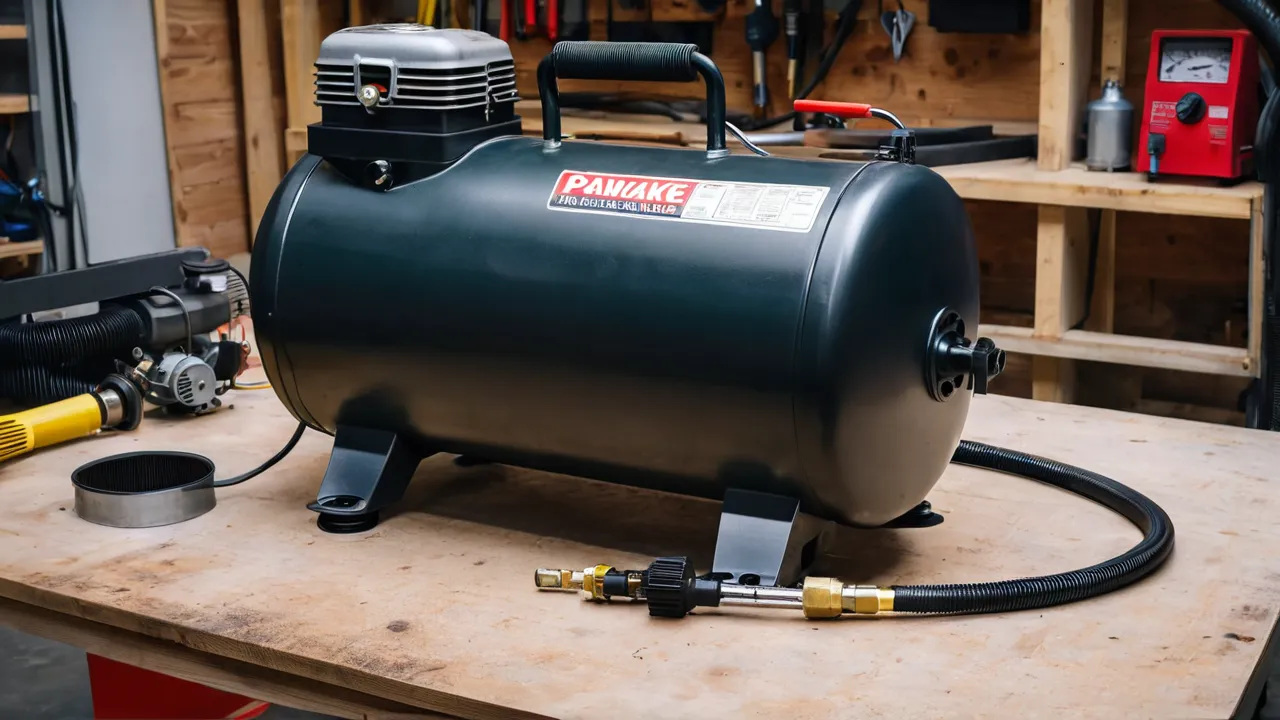
Drain your air compressor tank after every use. That is what most manufacturers’ manuals say, and it is the simplest rule to follow. If the compressor runs for long periods or the weather is humid, drain it more often during the session too. The goal is to remove the water that collects at the bottom of the tank, because left alone it rusts the tank from the inside and shortens its life. Always check your owner’s manual for the maker’s exact instruction.
Where the water comes from
Air always carries water vapor. When a compressor squeezes that air into a small volume, the vapor condenses into liquid water, which settles at the bottom of the tank. The more humid the air, the more water you collect. The compressor also heats the air, and as it cools inside the tank and hoses, more vapor drops out as water.
So the amount of water depends on humidity, how long the compressor runs and the temperature of the shop. A compressor that runs for an hour on a muggy summer day can collect a surprising amount. A short run on a dry winter day collects much less. That variation is why advice on how often to drain ranges from daily to weekly, and why a humidity-based routine makes sense.
A humidity-based routine
- Every use, any season: open the drain valve at the end of the session, even after a short job.
- Humid weather or long runs: also drain at the midpoint of a long session, and again at the end.
- Dry climate with light use: after every use is still the safest habit, though the water is less.
- Storage: drain fully before storing, and leave the drain valve open if the manual allows so air can circulate.
If you use the compressor only occasionally, drain it before putting it away, not just before the next use. Water that sits in a closed tank for weeks has time to cause rust. Make it a shutdown step, as natural as switching the unit off.
Three example situations
A weekend woodworker who runs a nailer for an hour a month should drain after each session. The tank collects little water, and the drain takes seconds. A home mechanic in a humid region who runs an impact wrench and a sander for hours should drain at breaks and at the end, and may use a filter at the tool. A painter who sprays in a damp garage must drain before each session and during it, since water in the line ruins a finish.
How to drain it safely
- Switch off and unplug the compressor, or turn it off at the switch.
- Release some pressure if the manual advises, since a lower pressure makes draining safer. Many manuals suggest draining with a small amount of pressure, such as a few pounds, in the tank.
- Wear eye protection, and stand to the side of the drain.
- Open the drain valve slowly. Air and water will come out, and the first spurt may be rusty.
- Leave it open until the tank is empty and only air comes out.
- Close the valve and wipe the area.
Never open the drain on a hot, fully pressurized tank in a way that sprays at your hands or face. Keep the spray away from the floor where it could stain, and use a pan to catch the water. If the drain is stuck or leaks, replace the valve instead of forcing it.
Why not leave it pressurized between uses?
A tank left full of air holds the water inside, and the pressure keeps the compressor ready for the next job. But the water stays on the tank wall, and a leaking fitting or valve can slowly run the pump on its own while you are away, which wastes power and wears the pump. Releasing the pressure and draining reduces both risks. Some owners leave a small amount in the tank to keep the drain from sucking in air. Follow the manual.
Auto drains and add-ons
Automatic drains open on a timer or when the compressor cycles, releasing water without your input. They are a good convenience, especially for tanks in a hard-to-reach spot or in a humid shop. They can clog or stick, so check them regularly and keep a manual valve as a backup. Some add-on drains attach to the tank’s drain port and use an electronic valve, and others use a float. Check that the drain’s rating suits your tank pressure, and follow the maker’s instructions.
Moisture control also happens downstream. A water separator or filter near the tool catches what the tank missed, and a drain on the filter needs regular emptying. A dryer is an option for finish work. None of these replaces draining the tank, which is where most of the water collects. Our air compressors category lists related guides.
How rust shortens tank life
Water in a steel tank corrodes it from the inside, where you cannot see. Over time, rust pits form and thin the wall. A tank with severe corrosion is unsafe, since a weakened wall can fail under pressure. That is why draining is not only about the machine’s life, but also about safety. A tank that has been drained regularly can last for many years, while one that is neglected can be ruined in a few seasons in humid conditions.
Check the outside of the tank for rust, especially near the drain, the welds and the bottom. If the water you drain is rust-colored or contains flakes, the inside is rusting. Drain more often, and consider having the tank inspected by a qualified service center. Retire a tank with deep pitting, dents or leaks. Never weld or patch a tank.
What to do with the water
The water from a compressor can contain oil, especially from oil-lubricated pumps, and rust particles. Do not pour it on a lawn or into a storm drain. Collect it in a container, let the oil separate if you want, and dispose of it as local rules direct, for instance at a hazardous waste facility if it is oily. A small catch pan under the drain keeps the area clean.
Checklists for storage and inspection
- Before storage: drain the tank, release pressure and wipe the compressor.
- Monthly: look at the drain valve, check fittings for leaks and inspect the tank for rust.
- Each season: check the safety valve as the manual describes and inspect hoses.
- After humid or long sessions: drain extra, and look at the water you drain for rust.
Read how we review for how we weigh maintenance advice, and see our air compressor guide for choosing a model with a convenient drain.
Safety notes
Compressed air stores energy, so follow the manual. Wear eye protection, never exceed the tank’s rated pressure, and do not work on a pressurized tank. Do not weld, drill or modify a tank. If you are unsure about the condition of the tank, ask a qualified service center.
Signs you are not draining often enough
- Rust-colored water or flakes coming out of the drain.
- Water spitting from the air hose or tool exhaust.
- Fisheyes or blisters when spraying paint.
- Rust on the outside of the tank near the drain.
- A drain valve that is stuck, because it has not been used.
- Tools that run rough or corrode inside.
If you see these signs, drain more often, add a water separator near the tool and inspect the tank. Replace a drain valve that sticks.
A shop habit that works
Put a note beside the compressor: drain, release hose pressure, switch off. Keep a small bucket or pan under the drain and a rag in reach. Tie the habit to something you always do, such as coiling the hose. If several people use the compressor, make sure everyone knows the routine. A shared habit is what keeps a tank rust-free over many seasons, and it takes less time than finding a replacement tank.
Climate and tank placement
Humid regions and coastal shops see the most condensation, and an unheated shed sees more because of temperature swings. A tank that sits on a cold concrete floor can collect moisture on the outside too, so raise it on a base if the manual allows. In dry climates, you may collect little water but should still drain, since the habit protects against surprises like a humid week. Keep the drain port clear so water can flow freely, and make sure the compressor sits level or tilted slightly toward the drain if the manual advises.
Frequently Asked Questions
Do I really need to drain my air compressor after every use?
Yes, it is the standard advice in most manuals and the simplest way to prevent rust. Even a short job can collect water, especially in humid weather, and the water starts rusting the tank as soon as it settles. Draining takes seconds and protects the tank, and a quick routine becomes habit.
What happens if I never drain my air compressor?
Water collects at the bottom of the tank and rusts it from the inside. Over time the wall thins and pits, which shortens the compressor’s life and creates a safety hazard. Water also travels into hoses and tools, washes out lubricant and causes corrosion and poor performance there.
Can I leave my air compressor tank full?
It is better to drain and release pressure for storage. A full tank holds water against the walls, and a slow leak can make the pump cycle while you are away, wasting power and wearing the pump. Follow the manual for how much pressure, if any, to leave in the tank.
Are automatic tank drains worth it?
They are useful in humid shops or for hard-to-reach tanks, because they drain without reminders and keep the tank drier. They can clog or stick, so check them regularly, confirm that water actually comes out, and keep a manual drain as a backup.
Final Thoughts
Drain the tank after every use, more often in humid weather or during long sessions, and drain fully before storage. Open the valve slowly, wear eye protection and watch the color of the water for rust. Add an automatic drain or a filter if convenient. A few seconds of draining protects your compressor and your safety.
Related buying guides
- Oil Free vs Oil Lubricated Air Compressor for the Garage
- Pancake vs Hot Dog vs Vertical Air Compressor
- Single Stage vs Two Stage Air Compressor: Which Lasts
About the author

The BuyOnceChoice Editorial Team researches durable products worth buying once. Our guides compare published specifications, warranty terms, expert review consensus, and verified owner feedback. We do not conduct our own product trials. See How We Review and our Editorial Policy for our standards.