Backpack vs Handheld Leaf Blower: Pick by Yard
Choose by yard size, debris load and how long you work at a stretch, with a back-strain check and a rule for when a handheld is enough.
 By BuyOnceChoice Editorial Team
Updated November 16, 2026
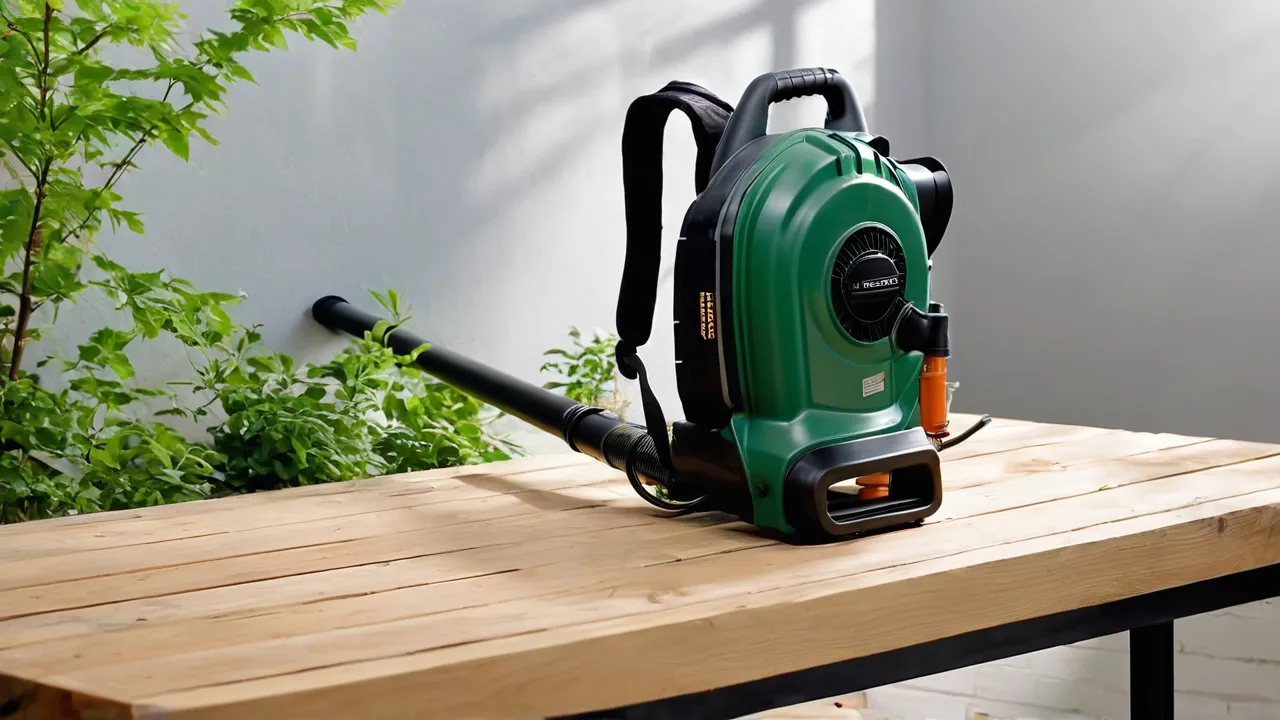
Choosing between a backpack vs handheld leaf blower mostly depends on how much ground you cover and how long you work at once: a handheld is enough for a small to medium yard and short sessions, while a backpack earns its cost on larger lots, heavy leaf loads, or any job that keeps you on your feet for an hour or more. The deciding detail is comfort, because carrying weight on your back is easier than holding it at arm’s length.
Power gets the attention in this decision, but fatigue and storage often matter more over years of use. Here is how to size the choice to your property, your body and your tolerance for the job.
What actually differs between the two
A handheld blower is held in one hand with the motor and fan in the tool. It is light, simple and quick to grab. A backpack blower places the engine or battery on a harness and runs a hose to a hand-held tube with a trigger. The tool in your hand weighs little, and the heavy part rides on your hips and shoulders.
Because the weight sits on your back, the backpack can carry a bigger fan and a larger fuel tank or battery. That is why backpack models usually offer higher air volume and longer runtime than handhelds in the same line. They are also larger to store and slower to get out for a quick patio sweep.
Yard size and the time rule
Use time as your guide, since acreage alone misleads. If a typical cleanup takes about fifteen minutes, a handheld is fine. If it takes forty-five minutes or longer, a backpack starts to pay off, because a handheld becomes tiring. A heavily wooded half acre can demand more blowing than an open acre.
Count the number of piles you move and how far. Big lots usually require moving leaves long distances to a tarp, a curb or a woodline, and a higher-volume blower speeds that up. On a small property with short distances, extra power is not used.
The leaf blower category shows both formats, and the right one for you is the one that matches your usual cleanup time.
Back strain, weight and fit
Weight is not only about the number on the spec sheet. A handheld places load on your forearm, wrist and shoulder, and it grows tiring when held out in front. A backpack distributes weight over the hips and shoulders, provided the harness is padded, adjustable and fits your torso.
Look for adjustable shoulder straps, a chest or waist strap, and a padded back panel. If you have back or shoulder problems, consult a medical professional about suitable tools for you, since this article cannot give medical advice. If you have a long work session, even a lighter backpack can be more comfortable than a handheld.
Try before you buy when you can. Put the harness on, hold the tube at working height, and check that the throttle or trigger is comfortable for your hand size.
Power, noise and fuel type across both formats
Both formats come in gas and battery versions. Gas backpacks are the highest power class for homeowners. Battery backpacks have become common and hold their own for typical suburban yards, with the pack worn on the harness or built into the frame. Battery handhelds are the lightest and quietest option.
Check noise and local rules whichever you pick. Hearing protection is advisable for any blower, and gas backpacks are loudest. Fuel handling and battery care follow the manual, and our battery leaf blower and vacuum guide explains what to look for in pack design.
Runtime and workflow
Backpack blowers typically carry more fuel or battery, so you work longer without a break. Handhelds are shorter lived, and swapping batteries is part of the job on larger yards. Think about how you work. If you do a quick pass before guests arrive, a handheld wins. If you spend a weekend clearing leaves, a backpack makes the day smoother.
Also consider accessories. Some backpacks accept extension tubes, nozzles or even vacuum kits, and handhelds may offer fewer options. If you plan to mulch leaves or collect them, check the model for those accessories.
Here is a worked example of the time rule. Imagine a lot with six large trees. Each fall, leaves must travel about eighty feet to a woodline, and one session takes about an hour with a handheld. An hour of arm-held weight is the point where most people slow down, take breaks and finish uneven. The same job with a backpack may take less time because of the higher volume and fewer stops, and it leaves your arms fresh. Now imagine a townhouse with a small patio and a strip of grass. The job takes ten minutes, and a backpack would mean strapping on a harness for a task shorter than the setup.
Another factor is how often you do the work. A tool that comes out weekly in leaf season rewards a comfortable harness. A tool that comes out twice a year can be a simple handheld without a loss of convenience. Match the effort of the tool to the frequency of the job and you will use it more consistently, which matters for upkeep too, because a gas engine used regularly stays in better shape than one that sits for months.
Storage and cost
A backpack takes more room in a garage or shed. It also tends to cost more than a handheld of the same brand. If you store tools in a small closet, a handheld is easier. If you have a workbench and wall space, a backpack hangs neatly on a hook.
The extra cost is worthwhile only when it solves a problem you have. If you rarely work for more than twenty minutes, a handheld with a good battery will fit and save money. If you handle large amounts of leaves every fall, a backpack saves time and strain.
Decision table by yard
| Your situation | Better pick | Why |
|---|---|---|
| Patio, small yard, quick cleanups | Handheld | Light, fast to grab |
| Medium yard, mixed debris | Handheld or battery backpack | Depends on session length |
| Large or wooded lot | Backpack | Longer runtime, less fatigue |
| Back or shoulder issues | Backpack with padded harness | Weight is shared across hips |
| Tight storage | Handheld | Compact |
| Frequent, long sessions | Backpack | Comfort and output |
Pick the row that matches your longest typical session, since that is the one that decides comfort.
Skip a backpack if your yard is small, your sessions are short and storage is limited. Skip a handheld if you work in long stretches, move heavy leaf loads, or have trouble holding weight out in front of you. If you share the tool with another person in the household, check weight and harness adjustability for both of you before deciding.
Questions to Settle Before You Buy
Ask yourself four things. How long is my longest cleanup, in minutes rather than acres? Do I move leaves far, or just clear a patio? Can I comfortably hold about the weight of a handheld at arm’s length for that long? Where will the tool live between uses?
Write the answers down and compare them with the product page. Look for the weight with a battery or full fuel tank installed, since a bare tool weight can understate what you carry. Check the harness description, the stated runtime on the setting you will actually use, and whether spare batteries or fuel capacity are listed.
When a Handheld Plus a Spare Battery Is Enough
Some owners think a long session requires a backpack, yet a handheld with a second battery covers many mid-sized lots. If your cleanup runs about thirty minutes and the job is light, swapping a pack midway is a small interruption. The tradeoff is fatigue, since you still hold the tool the whole time. If your forearm tires before the battery does, that points to a backpack.
Common Owner Regrets
- Buying a backpack for a patio. The harness takes longer to put on than the job takes.
- Buying a handheld for a wooded lot. The tool works, but long sessions leave you sore and slow.
- Ignoring local rules. Some towns limit gas blower hours, so check before choosing a loud tool.
- Skipping the fit check. A harness that does not adjust to your torso moves the load back onto your shoulders.
Frequently Asked Questions
Is a backpack leaf blower worth it for a small yard?
Usually not. If a cleanup takes about fifteen minutes, a handheld is lighter, faster to grab, and easier to store. A backpack pays off when sessions run forty-five minutes or longer, or when you move heavy leaf loads over long distances. Match the tool to your longest typical session.
Are backpack leaf blowers easier on your back?
For long sessions, often yes, because the weight rides on your hips and shoulders instead of your arm. A padded, adjustable harness matters. If you have back or shoulder problems, ask a medical professional about suitable tools, since fit and technique affect comfort as much as the format does.
Do battery backpack blowers have enough power?
Many handle typical suburban yards well, though gas backpacks remain the highest power class for homeowners. Compare stated air volume and runtime on the setting you will use, and consider spare batteries. Check the product page for how the battery is carried and whether it fits the harness.
How long should a leaf blower run on one charge or tank?
It should cover your longest typical cleanup without a mid-job stop. Makers list runtime for specific settings, usually the lowest, so expect less at full power. If your job takes an hour, look for a model with enough capacity or plan on a second battery or a refill.
Final Thoughts
Start from your longest cleanup, not your lot size: under twenty minutes favors a handheld, and an hour or more favors a backpack. Check harness fit, noise rules and runtime in the manual or product page before buying, and see How We Review for how we assess products.
Related buying guides
- Battery Platform Lock In: Choose One Brand for All Tools
- Battery Voltage Explained for Outdoor Tools: 18V to 80V
- Gas vs Battery Leaf Blower: Power, Runtime, Cost
About the author

The BuyOnceChoice Editorial Team researches durable products worth buying once. Our guides compare published specifications, warranty terms, expert review consensus, and verified owner feedback. We do not conduct our own product trials. See How We Review and our Editorial Policy for our standards.