Gas vs Battery Leaf Blower: Power, Runtime, Cost
See where gas blowers still lead, where battery blowers now fit, and how pack cost, platform sharing and noise rules change the buy-once math.
 By BuyOnceChoice Editorial Team
Updated November 16, 2026
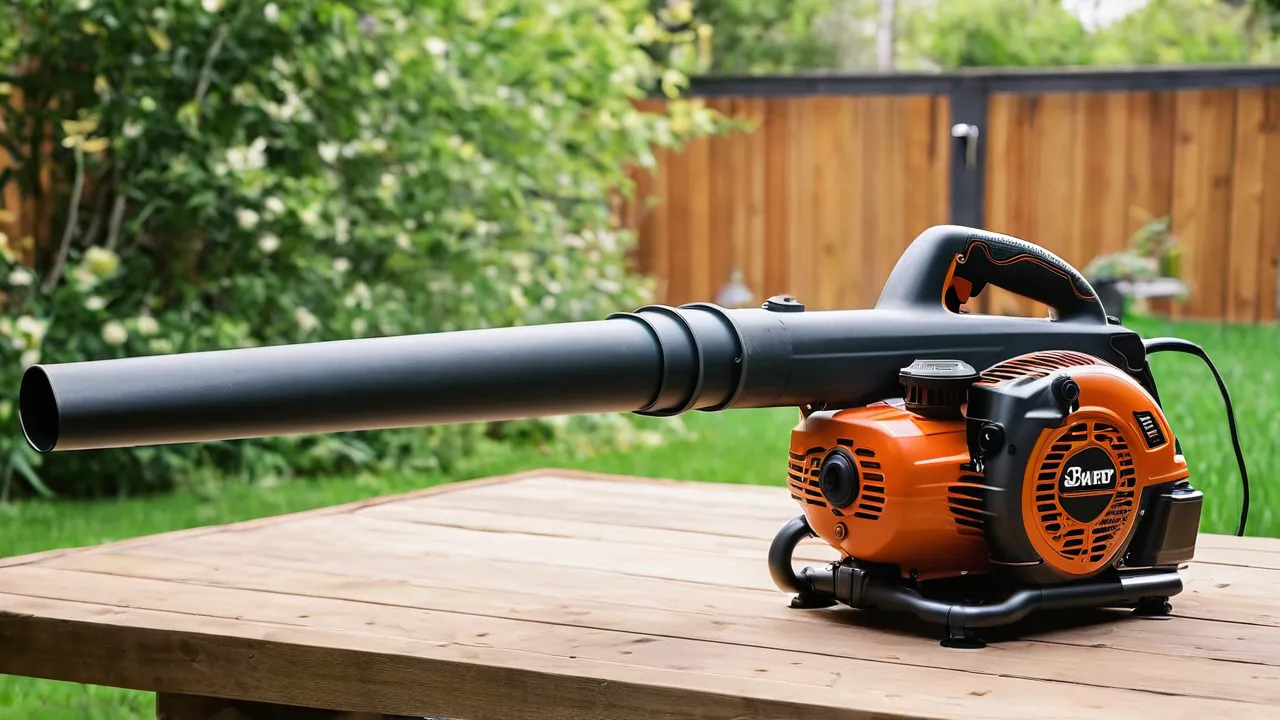
In a gas vs battery leaf blower decision, gas still leads for long continuous work on large, wooded lots with wet debris, while battery blowers suit small and medium yards where low noise, easy starting and no fuel handling matter more. The cost that decides the question is rarely the blower itself; it is the battery packs, and whether they also power your other tools.
Owner discussions on this topic tend to circle the same worries: running out of charge halfway through a job, the price of a spare pack, and noise limits from neighbors or local rules. The sections below turn each of those into a check you can run against your own yard.
Power and how it holds up
Gas engines deliver steady output for as long as fuel lasts, and large backpack models move heavy volumes of air for hours. Their power does not fall off as a tank empties, which is useful for wet, matted leaf mats that need constant force. Battery blowers have improved, and many handheld and backpack models now clear typical residential debris easily, but peak output usually comes on a boost setting that uses charge faster.
Read the manufacturer figures for air volume and speed, and check how the rating is stated. Air volume (CFM) and air speed (MPH) are different measures, and the leaf blower category lists models by format so you can compare them. A battery blower with ratings close to a gas model is often fine for dry leaves, but compare conditions before assuming equivalence.
Consider the heaviest job you do, not the average one. If an annual fall cleanup of a large lot is your peak, plan for that day, because a tool that handles it in one session will handle everything else easily.
A practical reading of the two numbers: CFM describes how much air moves, which helps push a wide pile, and MPH describes how fast it moves, which helps lift stuck, wet leaves. Neither alone tells you how well a blower clears your yard, and makers do not always state them under the same conditions, so use them to compare models from one brand and read the manual for how each figure was stated.
Runtime and what to do about it
Runtime is the main constraint for battery tools. Manufacturers state minutes at a low setting, and a different, shorter figure at the highest. Real runtime lands between them, depending on how much of the job you do at full output. A second battery or a fast charger changes the picture, because you can swap and keep working while the first pack recharges.
Gas runtime is governed by tank size. Refilling takes a minute, which makes gas easier for day-long jobs. If you work in intervals, a battery blower with two packs can match a gas blower for an afternoon of yard work.
Estimate your own need by timing a typical cleanup with the blower you have, or by estimating how long your yard takes and comparing that to stated battery runtime at the setting you will use.
The cost picture over ownership
Battery blowers cost less to run per hour, since electricity is cheap compared with fuel and oil. They also skip carburetor work, spark plug changes and the mixing of oil with fuel in two-stroke models. Gas blowers have a modest annual cost in fuel, oil, plugs and filters, and they require a shop visit when the carburetor clogs from stale fuel.
The offsetting cost is the battery. A pack ages with use and eventually needs replacing. Check the warranty on the pack separately from the tool, and ask what a replacement costs and whether the brand will still sell it in the future. If the brand supports a platform for many years and you own other tools, the effective cost per tool drops.
Build a simple ownership sheet: purchase price, extra pack, charger, expected replacement, and yearly running costs for each option. Use current quotes for each line rather than assumptions.
Platform value and brand lock in
Buying a battery blower often means buying into a battery platform. Packs typically fit only one brand’s tools, so if you already own a mower or trimmer from a brand, a blower from that same platform can use the same packs. That sharing is the strongest argument for battery tools in a buy-once approach.
If you own no battery tools, treat the first purchase as a platform decision. Look at the range of tools the brand offers, how long packs have been supported and how widely they are sold locally. A platform you do not plan to extend offers little advantage over gas.
Noise, fuel handling and rules
Battery blowers are quieter, and a growing number of towns restrict gas blowers by season, hour or sound level. Check your local ordinance before you buy. Quiet also means you can work earlier or later without bothering neighbors, within local rules.
Gas blowers require approved fuel containers, correct fuel mixing for two-stroke engines, and engine-cool refueling as the manual describes. Store fuel away from ignition sources and ventilated. Wear hearing and eye protection with either type.
Battery packs should be charged with the supplied charger, kept away from flammables while charging, and stored as the manual describes. Do not use a pack that is swollen, cracked or damaged. The best battery leaf blower and vacuum page covers what to look for in pack and charger design.
Weight and handling are easy to overlook. A gas backpack blower with a full tank is heavy, and the vibration of a running engine adds fatigue over a long session. Battery handhelds are lighter but put the pack weight in the tool or on a belt. Pick up the blower in a store if you can, hold it at working height for a minute, and consider who else in the household will use it.
Starting reliability is another everyday difference. A battery blower starts when you pull the trigger. A gas blower depends on fresh fuel, a clean carburetor and a few pulls on the cord, and a seasonal tool that sat for months is the most likely to refuse. If your blower sits unused for much of the year, that favors battery. If you use it weekly, fuel stays fresh and the issue largely disappears.
Who should choose which
| Owner | Better fit | Reason |
|---|---|---|
| Small to medium yard, occasional leaves | Battery | Quiet, simple, no fuel |
| Large wooded lot, heavy fall cleanup | Gas | Sustained output, quick refuel |
| Already own battery tools | Battery | Shared packs cut the effective price |
| Professional or daily use | Gas | Runtime and refuel speed |
| Noise ordinance in your town | Battery | Typically allowed more broadly |
| Dislike fuel and engine upkeep | Battery | Little to maintain |
The deciding factors are lot size, platform ownership and local rules. If two rows apply to you and disagree, resolve it with your biggest annual job.
Resale and longevity differ too. Gas blowers from major brands hold interest on the used market and are easy to repair, while a used battery blower is only as good as its pack, which is hard to judge from outside. When buying used, ask for a recent runtime figure from the seller, and check that replacement packs are still sold.
Who should skip battery
Skip battery if you clear a large wooded property in a single stretch, rarely own other battery tools, and have no budget for a second pack. Skip gas if you dislike engine upkeep, store little fuel, or live where gas blowers are restricted. If you are on the fence, a battery blower from a platform you can extend later is the lower-regret choice for most suburban yards.
Frequently Asked Questions
Is a battery leaf blower powerful enough for a big yard?
It can be, with spare packs. Many battery blowers clear dry leaves on typical lots, but peak output usually comes on a boost setting that drains charge faster. For large wooded lots or wet, matted leaves, gas offers steady output and quick refueling. Plan for your heaviest job, not an average one.
How long does a battery leaf blower run on one charge?
Makers list runtime at a low setting and a shorter figure at full output, so real runtime falls in between. Compare the stated minutes at the setting you will use, and consider a second battery or a fast charger if your cleanup takes longer than one pack provides.
Are gas leaf blowers banned in some places?
Some towns restrict gas blowers by season, hour, or sound level, and rules change, so check your local ordinance before you buy. Battery blowers are quieter and are often allowed more broadly. Your town’s website or building department can tell you what applies where you live.
Is it cheaper to own a gas or battery leaf blower?
Battery blowers usually cost less to run, with no fuel, oil, or carburetor work, but the battery pack ages and needs replacing. Gas blowers have recurring fuel and maintenance costs. Build a simple ownership sheet with purchase price, extra pack, charger, expected replacement, and yearly running costs.
Final Thoughts
Gas remains the stronger option for heavy, sustained work, and battery has become the practical option for most homeowners. Count pack cost, platform use and local rules, and read the manual for fuel and battery handling. See How We Review for how we assess products.
Related buying guides
- Leaf Blower CFM vs MPH: Which Number Matters
- Leaf Blower Maintenance: Carburetor, Fuel, Spark Plug Care
- Leaf Blower Noise Ratings and Local Bans: What to Check
About the author

The BuyOnceChoice Editorial Team researches durable products worth buying once. Our guides compare published specifications, warranty terms, expert review consensus, and verified owner feedback. We do not conduct our own product trials. See How We Review and our Editorial Policy for our standards.