Two Stroke vs Four Stroke Leaf Blowers: Fuel and Upkeep
Two stroke blowers run on mixed fuel and weigh less, four stroke blowers use separate oil and run cleaner. See the upkeep each needs and who should pick which.
 By BuyOnceChoice Editorial Team
Updated November 16, 2026
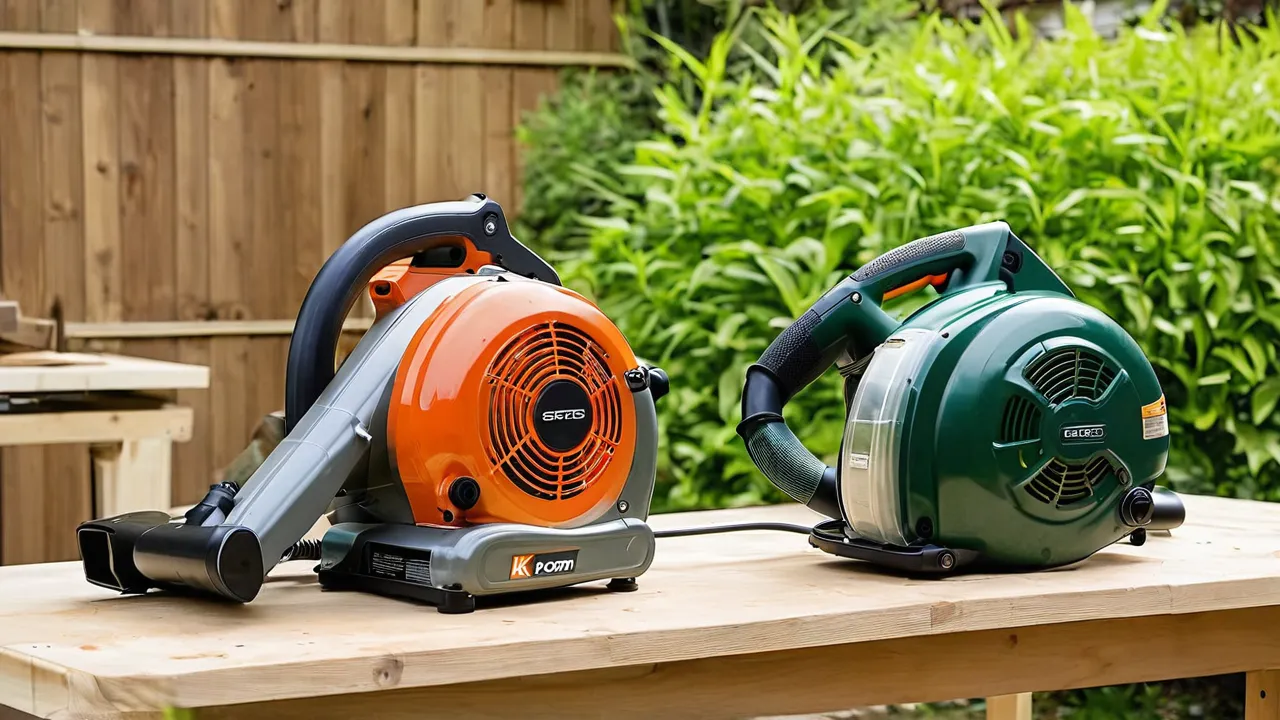
A two stroke leaf blower runs on a gasoline and oil mix and is light and powerful for its size, while a four stroke leaf blower runs on plain gasoline with a separate oil sump, so it is heavier, quieter and needs no mixing. Choose two stroke for light weight and a strong airstream, and four stroke for easier fueling, lower exhaust smell and a deeper sound.
How the Two Engine Types Work
A two stroke engine completes its power cycle in two piston strokes, which means it fires every revolution. This makes it light and gives a lot of power for its size. Oil is mixed into the fuel to lubricate the engine, and it burns with the fuel, which is why two stroke engines smoke and smell more.
A four stroke engine takes four piston strokes per power cycle, with valves that open and close. It has a separate oil reservoir, like a car engine, so you fill it with gasoline and keep oil topped up. It is heavier and more complex, but typically burns cleaner and has a lower pitch sound at the same power.
Fuel and the Mix Ratio
Two stroke blowers need a fuel mix, and the ratio depends on the manufacturer. Common ratios are about 40 to 1 and 50 to 1, but you must follow the manual for your model and use the oil type it specifies. Mix in a clean approved container, shake it well and label the container. Using the wrong ratio can cause smoking, fouled plugs or engine damage, and a mix that sits for months can go stale. Use fresh fuel, and consider a fuel stabilizer if the mix will sit.
Four stroke blowers use plain gasoline at the octane the manual lists, and the engine oil is separate. Check the oil level before use, and change it at the interval in the manual. Never put mixed fuel into a four stroke engine unless the manual says it is allowed, and never put plain gasoline into a two stroke engine that needs a mix.
Handle mixed fuel with care. Mix only what you will use within about a month, and label the container with the date and ratio. Measure oil with a marked bottle or a small measuring cup, and add oil to a little gasoline first, then fill to the full amount and shake. Use fresh gasoline from a reputable station, and check the manual for ethanol limits, since high ethanol blends can damage fuel lines and carburetors in small engines. Never guess the ratio, because too little oil leads to engine wear and too much leads to smoke and fouled plugs. If you are unsure, buy premixed fuel in a can, which is convenient for occasional use.
Weight, Handling and Angle of Use
Two stroke engines are lighter and can run at any angle, which makes them a good choice for handheld blowers and backpack models that you carry for long periods. Four stroke engines are heavier, and many have an oil reservoir that limits tilt, so you should read the manual about the angle you can hold the machine. Some modern four stroke designs are made to run at any angle, so check the specifications. If you will use the blower for a long time, weight and balance matter.
Maintenance Each Needs
Two stroke maintenance is simple but frequent: clean the air filter, check the spark plug, keep the spark arrester screen clean and use fresh mixed fuel. Carburetors can clog if fuel sits, so empty or stabilize fuel before storage.
Four stroke maintenance includes everything a two stroke needs, plus oil changes, checking the oil level and sometimes valve adjustments at long intervals. The upside is smoother running and easier fueling. Always follow the manual for intervals.
Create a small schedule. Before each use: check the fuel level, look for loose parts and inspect the air filter. Every few uses: clean the air filter, check the spark plug and clear the spark arrester screen. Each season: replace the spark plug and fuel filter, inspect the fuel line for cracks and check the starter rope. For four stroke engines, add oil level checks every use and an oil change at the interval in the manual. Keep a spare spark plug and a starter rope in your toolbox.
Noise, Emissions and Rules
Two stroke engines tend to be louder and higher pitched, and they usually produce more visible exhaust. Four stroke engines tend to be quieter in tone but not silent. Check the decibel ratings if they are listed, and be cautious about comparing figures from different sources. Many cities restrict gas leaf blowers by time of day, noise limit or season, and some ban them. Check your local rules and your homeowner association. If rules are strict, a battery leaf blower may be a better choice. See the best battery leaf blower and vacuum roundup.
Who Should Choose Which
- Two stroke: you want the lightest machine, a strong airstream and you can mix fuel carefully.
- Four stroke: you prefer plain gasoline, a quieter tone, less exhaust smell and are fine with extra weight.
- Neither: if you have a small yard, local limits or a desire for low upkeep, consider battery power.
Safety with Fuel and Debris
Fuel is flammable. Refuel outdoors with the engine off and cool, away from sparks, and wipe up spills. Store fuel in approved containers, in a ventilated place away from living areas. Wear eye and hearing protection, closed shoes and long pants. Do not blow debris toward people, pets, cars or open windows. Do not run a gas engine in a garage or enclosed space because of carbon monoxide. Keep children away.
Remember that blowers throw more than leaves. Stones, sticks and dust can be thrown at high speed. Keep the nozzle low, work away from people, and wet dusty areas lightly if rules allow. Wear a dust mask for dry, dusty or moldy leaves. If you smell fuel, see leaks or notice the engine running rough, stop and fix the problem before continuing.
Starting, Running and Storage Habits
Prime and start the engine as the manual describes, and let it warm for a short time. Avoid running it at full throttle for long periods without need. After use, let it cool, clean debris from the vents and store it in a dry place. For long storage, drain the fuel or add stabilizer, run the engine as the manual advises and keep the mix labeled and dated.
Cost over the Long Run
Two stroke machines usually cost less to buy, and they need oil and fuel in the right mix. Four stroke machines cost more upfront and need oil changes. Both need spark plugs, air filters and fuel line care. Compare weight, warranty and parts availability, and consider that a battery blower eliminates fuel and engine upkeep altogether.
Do the math for your own use. Add the purchase price, yearly fuel and oil, plus parts and expected repairs, and divide by the years you expect to keep the blower. For a homeowner who uses a blower a dozen times a year, the difference between two stroke and four stroke running cost is small, and weight and convenience should decide. For a landscaper who uses one every day, fuel, durability and the warranty matter more, and a commercial model may be a better fit than a homeowner machine.
Fitting the Blower to the Work
For small yards and quick cleanups, a light handheld model is enough, whichever engine it uses. For large properties, a backpack blower with strong airflow is easier to carry. Consider airspeed in miles per hour and airflow in cubic feet per minute together, since both affect how well the blower moves wet leaves. Check the leaf blowers category for more and How We Review for our approach.
Frequently Asked Questions
What is the difference between a two stroke and four stroke leaf blower?
A two stroke needs oil mixed into the gasoline and is lighter and more powerful for its size. A four stroke uses plain gasoline with a separate oil reservoir, runs quieter and cleaner but weighs more. Check your manual for the right fuel.
What is the fuel mix ratio for a two stroke leaf blower?
It varies by manufacturer, with 40 to 1 and 50 to 1 common. Use the ratio and oil type in your manual, mix in a clean approved container and use fresh fuel. The wrong ratio can damage the engine.
Can I use regular gas in a two stroke leaf blower?
No, not unless the manual says it is a fuel injected or special design. Standard two stroke blowers need oil mixed with the gasoline to lubricate the engine. Running on plain gasoline can ruin the engine quickly.
Are four stroke leaf blowers quieter?
They often have a lower, less harsh tone, but they are not silent. Compare listed decibel ratings carefully, since measurement methods differ, and check local noise rules. For the quietest operation, battery blowers are usually the better choice.
Final Thoughts
Pick a two stroke for low weight and strong airflow, and a four stroke for plain fuel, easier starting habits and a lower tone. Follow the manual for fuel, use fresh gas, refuel safely outdoors and check local rules or consider battery power.
Related buying guides
- Backpack vs Handheld Leaf Blower: Pick by Yard
- Battery Platform Lock In: Choose One Brand for All Tools
- Battery Voltage Explained for Outdoor Tools: 18V to 80V
About the author

The BuyOnceChoice Editorial Team researches durable products worth buying once. Our guides compare published specifications, warranty terms, expert review consensus, and verified owner feedback. We do not conduct our own product trials. See How We Review and our Editorial Policy for our standards.