How to Choose a Center Channel Speaker
The center speaker carries most dialogue. Learn tonal matching, placement under a TV or in a cabinet, and what to do without a matching center.
 By BuyOnceChoice Editorial Team
Updated November 16, 2026
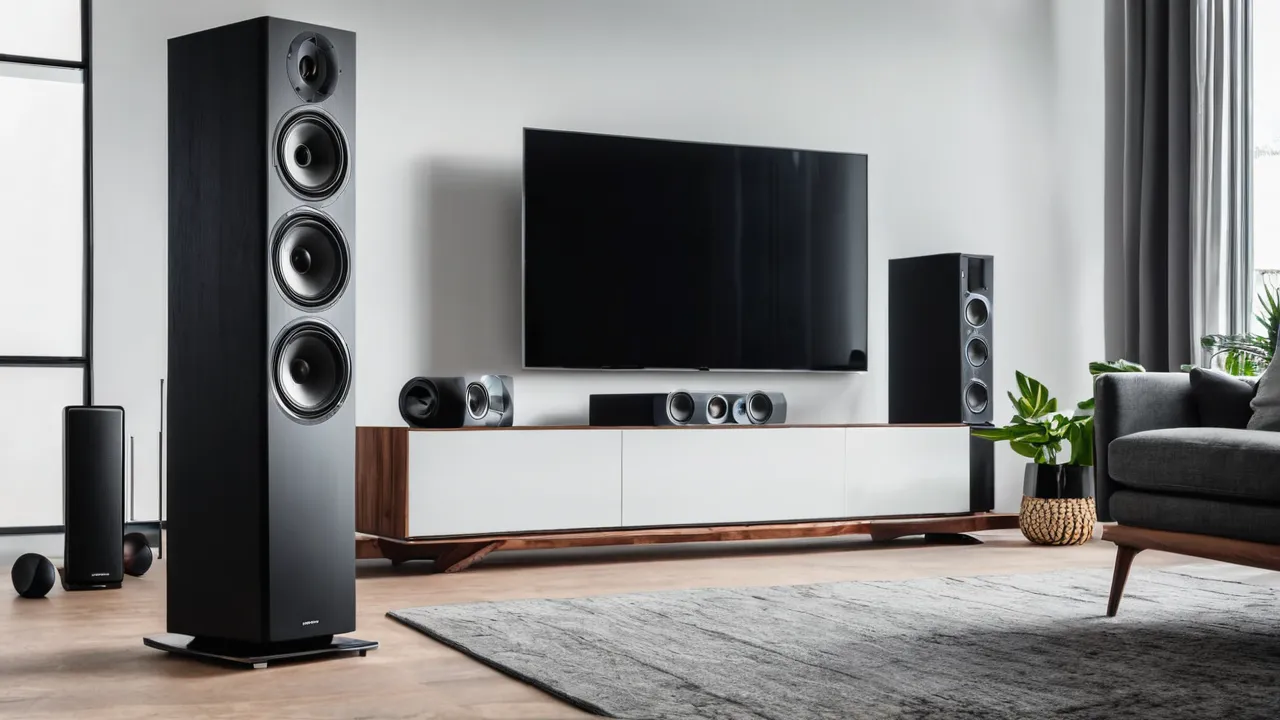
To choose a center channel speaker, match it to your front speakers from the same line, check that its size fits your TV stand, and prefer a design with clear midrange for dialogue. If your speaker line has no matching center, use the closest alternative, such as a center from the same series with the same drivers, or three identical speakers across the front. The center usually carries most movie dialogue, so it deserves care.
Why the center channel matters
In a typical surround mix, dialogue is sent mainly to the center channel, which anchors voices to the screen. If the center sounds different from the left and right speakers, voices seem to change tone when they pan, and dialogue may be less clear. Getting the center right often improves everyday TV more than adding rear speakers, and the spending you put there pays off in every program you watch, including news, sports, and streaming shows that carry no surround effects at all.
Tonal matching rules
The best match is a center from the same speaker series as your fronts, with the same tweeter and similar midrange drivers. If a matching center does not exist, look for the same brand with the same tweeter and driver material. Avoid pairing a center from a very different design, such as a soft dome center with metal dome fronts, unless you can accept a slight tonal change. If you buy fronts and a center together, confirm the model names are intended to work as a set.
- Same series and brand is the first choice.
- Same tweeter type and similar driver materials is the second.
- Similar sensitivity and impedance help the receiver balance levels.
- Match to the fronts’ voicing, not to their price.
- Keep the center no weaker than the front speakers in midrange output.
Placement under a TV or in a cabinet
Place the center directly above or below the screen, centered, with its tweeter close to ear height if possible. Most centers sit on a shelf under the TV, and some pitch upward slightly with feet or a wedge to aim at the seats. In a cabinet, a center placed deep inside a cabinet sounds boxed in and muffled, so bring it flush with the front edge or the cabinet face and keep doors open or removed. A center placed on top of a TV needs a stable stand, and the speaker should not hang over the screen.
Common placement problems
The first problem is a center that sits too low on a stand, so the dialogue seems to come from the floor instead of the screen. Raising the TV, using a stand that lifts the speaker, or tilting it toward the seats helps. The second is a center sitting behind a lip or a TV stand’s front edge, which creates reflections and blurs voices. Bring it flush with the front edge. The third is a center in a cabinet with doors closed. The fourth is a center that does not line up with the TV’s center, which pulls dialogue off to one side.
Mounting options include a wall bracket under the TV, a shelf, or a stand designed for the purpose. If you use a mount, check its weight rating against the speaker’s weight in the manual, and use studs or anchors rated for the load. For any work inside a wall, use a licensed professional.
Size and fit
Centers are wide. Measure the shelf under the TV and the space below the screen. Make sure the center will not block the TV’s remote sensor or the lower edge of the picture. Check the weight, since some large centers are heavy for shallow shelves. A tall center in a low shelf may not fit, and a long center may extend past the stand. Include space around the speaker for its port, since many centers vent through the front or back, and a blocked port boosts boomy sound. Follow the manual for the distance it needs from walls.
| Situation | Choice |
|---|---|
| Narrow stand, small TV | Compact center from the matching line |
| Wide stand with room | Larger center with more drivers |
| Deep cabinet | Bring the speaker flush or use a rack |
| Wall-mounted TV | Wall-mount center or a shelf close beneath |
| Acoustically transparent screen | Place behind the screen as directed in the manual |
When the line has no matching center
Some lines, especially ones focused on music, do not offer a center. You have three options. First, use a center from the same brand with the closest voicing. Second, use a bookshelf speaker from the same line laid on its side, which gives a similar tone, though a speaker designed to sit on its side usually disperses sound better. Third, use three identical front speakers, with the center mounted above or below the screen. Whichever you choose, run room correction so the receiver sets levels and timing.
If you use two speakers only, the receiver can create a phantom center from the stereo pair. That works for seats exactly between the speakers but narrows the sweet spot, and dialogue becomes less stable for off-axis seating, which is why a real center is recommended in most rooms.
Questions to ask before buying a center
- Is the center from the same series as my fronts, and is it sold in the same finish?
- Does the manual list the speaker as intended for horizontal placement, and does it describe distance from walls?
- Will the receiver drive its impedance comfortably, according to the receiver manual?
- Can I return the speaker if the tonal match disappoints?
- Is there room for the port and for the cables behind the speaker?
These five questions will help you avoid common surprises, since most centers cannot be properly judged from photographs. A trial in your own room, with a return policy you have read, is the safest way to confirm the match.
A short worked example shows the fit check. Measure the shelf width under the TV, subtract a couple of inches on each side for airflow and cables, and compare the result with the center’s width in the spec sheet. Then measure the height from the shelf to the lower edge of the picture, and compare it with the center’s height plus any feet. If either number is too tight, a compact center from the matching line, or a wall mount below the TV, solves it without changing the tonal match.
Receiver settings and room
Set the center size in the receiver menu to small unless the speaker is built to reproduce deep bass, then let the crossover pass the low notes to the subwoofer. Set the distance and level through room correction, then adjust dialogue level to taste. A quiet room helps you hear the effect, and reflections from a glass TV cabinet or hard surface can thin dialogue, so a small rug or shelf liner can help. If you find dialogue hard to follow, many receivers have a dialogue enhancement setting, but fix placement first. See the AV receiver picks for receivers that handle this well.
Verdict by Situation
- Buying a whole new system: buy the matching center with the front speakers.
- Adding to an existing system: find the same series center, and if retired, find the closest voicing.
- Small room: a compact center may be enough, and does not need to be large.
- Large room or wide seating: favor a center with more drivers and wider dispersion.
- Dialogue is the main priority: put money into the center before the rear speakers.
The home theater speakers category lists center options, and our How We Review page explains how we compare products.
Frequently Asked Questions
Does my center channel speaker have to match my front speakers?
It should be as close as you can manage, ideally from the same series with the same tweeter and similar midrange drivers. A mismatched center makes voices change tone as they pan across the screen. If no matching center exists, use the same brand with the closest voicing, or three identical front speakers.
Where should I put a center channel speaker?
Directly above or below the screen, centered, with the tweeter near ear height if possible. On a shelf, bring it flush with the front edge, tilt it slightly toward the seats if needed, and keep cabinet doors open. Do not let it block the TV’s remote sensor or hang over the screen.
Can I use a bookshelf speaker as a center channel?
Yes, if it is from the same line and its manual allows horizontal placement. A speaker designed to sit on its side usually disperses sound better. Three identical front speakers is another sound approach, with the center mounted above or below the screen. Run room correction either way.
Do I need a center channel at all?
In most rooms, yes. The center carries most movie dialogue and anchors voices to the screen. A phantom center from two speakers narrows the sweet spot and makes dialogue less stable for off-axis seats. If dialogue is your priority, spend on the center before the rear speakers.
Final Thoughts
A matching center from the same line is the safest choice, followed by the closest voicing and three identical fronts. Fit it to the stand, bring it forward of the cabinet face, and calibrate with room correction. Do that, and dialogue will sound natural and steady across the front of the room.
Related buying guides
- In-Wall vs In-Ceiling vs On-Wall Speakers
- Mixing Speaker Brands: Does Timbre Matching Matter?
- Open Floor Plan Home Theater: Speaker and Bass Tips
About the author

The BuyOnceChoice Editorial Team researches durable products worth buying once. Our guides compare published specifications, warranty terms, expert review consensus, and verified owner feedback. We do not conduct our own product trials. See How We Review and our Editorial Policy for our standards.