5.1.2 vs 7.1.4 Atmos: How Many Speakers You Need
Compare 5.1.2 and 7.1.4 Atmos by room size, amplifier channels, wiring and total cost, and find out when the extra four speakers truly make sense.
 By BuyOnceChoice Editorial Team
Updated November 16, 2026
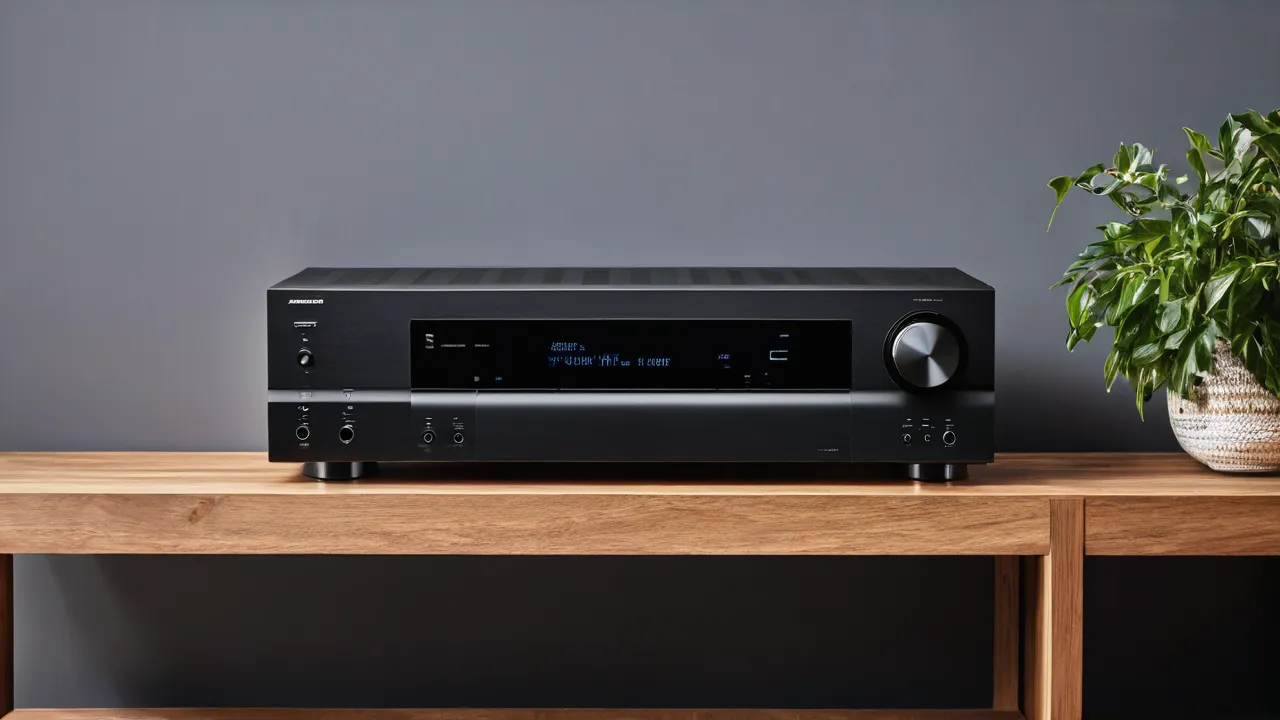
A 5.1.2 Atmos system uses seven speakers plus a subwoofer, and a 7.1.4 system uses eleven speakers plus a subwoofer. For small to medium rooms, 5.1.2 delivers most of the overhead effect at far lower cost and wiring effort. Step up to 7.1.4 when the room is large, the seats are wide, or you want smoother movement of sound across the ceiling.
What the numbers mean
Read the numbers left to right: the first is the count of ear-level speakers, the second is subwoofers, and the third is overhead speakers. So 5.1.2 means five ear-level speakers, one subwoofer, and two height speakers. A 7.1.4 layout means seven ear-level speakers, one subwoofer, and four overhead speakers. Overhead speakers may be ceiling-mounted or may be upward-firing modules that bounce sound off the ceiling.
Total cost is more than speakers
The extra four speakers in 7.1.4 are only part of the bill. Count every piece before deciding.
| Cost item | 5.1.2 | 7.1.4 |
|---|---|---|
| Speakers | 7 plus sub | 11 plus sub |
| Receiver amplifier channels | 7 needed | 11 needed |
| Speaker wire runs | 7 | 11 |
| Ceiling work | 2 locations | 4 locations |
| Setup and tuning time | Shorter | Longer |
The channel count is the key trap. A 7.1.4 layout needs eleven amplified channels. Many receivers sold as 7.2 or 9.2 cannot power all of them, so you either buy a more expensive model or add a separate amplifier. Check how many channels the receiver can amplify at once and how many pre-outs it provides. Our AV receiver category and our AV receiver picks list models by channel capability.
Room size and seating
Overhead speakers create a dome of sound over the seats. In a small or medium room, two well-placed height channels already cover the listening area, and adding more brings diminishing returns. In larger rooms or with two rows of seats, four overheads keep the effect consistent from front to back, rather than leaving the rear seats with a weak overhead image.
- Single row, seating for up to three: 5.1.2 usually suffices.
- Wide couch or a second row of seats: consider 7.1.4.
- Low ceiling: ceiling speakers may be too close, so upward-firing modules or in-ceiling designs need care.
- Rental or room where ceiling work is not allowed: 5.1.2 with upward-firing modules avoids cutting.
A simple room-size rule helps. Picture the listening seats and ask whether two overhead speakers can sit roughly above or just ahead of them. If one row of seats fits between the front and rear of that pair, 5.1.2 covers it. If a second row sits well behind the first, the rear seats will hear the overhead layer from far in front of them, and a rear pair above that row is what fixes it. The other trigger is room width: when the seats spread beyond the span of the two overheads, the outer seats lose the effect, and four overheads spread it more evenly.
Wiring and installation
Eleven speaker runs mean much more cable routing than seven. If you are installing ceiling speakers, you must route wire through walls or attic space, which is difficult in finished rooms. Use cable rated for in-wall use under local code, and for any work near electrical wiring, hire a qualified professional. Our buying guides cover related wiring topics.
Do the extra surrounds matter or the extra overheads?
The jump from 5.1.2 to 7.1.4 adds two things at once: two rear surrounds and two more overheads. Rear surrounds improve sound behind and beside you, and extra overheads improve front-to-back movement above you. If you can only add one, think about content. Atmos effects such as rain, aircraft and ambience live mostly overhead, while traditional surround content benefits from rear speakers. A 7.1.2 or 5.1.4 layout is a valid middle step if your receiver supports it.
Worked channel count
Count channels before you shop. A 5.1.2 plan needs seven amplified channels, because the subwoofer is powered on its own. A 7.1.4 plan needs eleven. A receiver that amplifies nine channels covers 5.1.4 or 7.1.2, and gets you to 7.1.4 only with an outboard amplifier for the extra two. Add the wire runs and the ceiling cuts to that count, and you can see why the budget roughly scales with the speaker number, not just the speakers themselves.
Common layouts between the two
The jump from seven to eleven speakers is large, and many owners land somewhere in between. Knowing the middle options helps you plan an upgrade path.
5.1.4 and 7.1.2
A 5.1.4 layout keeps five ear-level speakers and adds four overheads, which suits rooms that are wide enough for good coverage overhead but have no space behind the seats for rear surrounds. A 7.1.2 layout adds two rear surrounds to a 5.1.2 setup, which suits rooms with seating close to the back wall where rear speakers are essential. Both need nine amplified channels, so a 9-channel receiver is the natural choice.
Using side and rear speakers together
If the sofa sits against the back wall, rear surrounds are placed beside or just behind the seat, and side surrounds are placed beside the seats. Many installers prefer side surrounds as the main pair and add rears only when the room is deep. Read the receiver manual for the layouts it supports, because not every model allows every combination, and some require you to disable features such as a second zone when using all channels.
Upward-firing modules versus ceiling speakers
Upward-firing modules sit on top of or beside the front speakers and bounce sound from the ceiling. They avoid cutting into the ceiling and work best with flat, hard ceilings of standard height. Sloped, vaulted or very high ceilings reduce their effect. Ceiling speakers are more precise but need installation work. If you rent, modules are the practical choice.
Questions to settle before spending
- How many amplified channels does the receiver provide, and does it have pre-outs for more?
- Is your ceiling flat, standard height and made of material you can cut?
- How much of your viewing is Atmos content rather than standard surround?
- Is the room large enough that two overheads leave gaps in coverage?
Run these questions first, because spending on extra speakers before the receiver is ready is a classic way to end up with boxes in a closet.
Finally, remember that room correction software helps both layouts. Once the speakers are placed and the receiver’s measurement routine has set levels and distances, a smaller system that is well calibrated often outperforms a larger one that was placed carelessly. If budget forces a choice between more speakers and better placement of fewer, favor placement, then expand later as the receiver and room allow.
Content availability also deserves a thought. Streaming services, UHD discs and some game consoles deliver Atmos tracks, but a lot of everyday viewing is still plain stereo or 5.1. A system that handles those formats well, with a solid front stage and center channel, matters every day, while the overhead layer shines only in certain titles. That is another reason 5.1.2 is a sensible starting point: you hear the effect where it exists, and you keep the budget for the speakers you use all the time. If, after a year, you find yourself craving more overhead movement, the receiver and wiring plan you made at the start will let you add speakers without replacing anything.
Verdict by Room and Budget
- Choose 5.1.2 if the room is small to medium, you want a manageable budget, or you cannot do ceiling work.
- Choose 7.1.4 if the room is large, you have multiple rows of seating, and you already own a receiver with eleven channels.
- Skip Atmos height channels entirely, and put money into better front speakers, if your content is mostly stereo music or older TV.
- Stay at 5.1.2 now and add rear and overhead speakers later if your receiver has pre-outs and you can expand over time.
Buying a receiver with room for growth is the buy once move. Compare options in the home theater speakers category and read how we evaluate on the How We Review page.
Frequently Asked Questions
Is 7.1.4 worth it over 5.1.2?
In a large room, with wide or multiple rows of seating and a receiver that already powers eleven channels, yes. In a small or medium room with one row of seats, 5.1.2 delivers most of the overhead effect at lower cost and wiring effort, so the extra four speakers rarely pay back.
Do I need ceiling speakers for Dolby Atmos?
No. Atmos height channels can come from in-ceiling speakers or from upward-firing modules that bounce sound off the ceiling. Modules suit rentals and flat, standard-height ceilings. Ceiling speakers are more precise but need cutting and wiring, so use a qualified professional where electrical work is nearby.
What receiver do I need for 7.1.4?
One that amplifies eleven channels, or one with pre-outs that lets you add an external amplifier. Many receivers sold as 7.2 or 9.2 cannot power all eleven speakers. Check the manual or spec sheet for the number of channels amplified at once and the supported layouts.
Can I start with 5.1.2 and upgrade to 7.1.4 later?
Yes, if the receiver has enough amplified channels or pre-outs and you plan the wiring early. Run extra cable while walls are open if you can. Many owners start with 5.1.2, then add rear surrounds and two more overheads once they know how the room sounds.
Final Thoughts
A 5.1.2 system gives most of what Atmos can offer for a small to medium room at much lower cost and effort. A 7.1.4 system pays off in larger rooms with more seats, provided your receiver, wiring and ceiling can handle it. Count amplifier channels and total cost first, and let the room size decide the rest.
Related buying guides
- Audyssey vs Dirac Live vs YPAO: Room Correction
- AV Receiver Buying Mistakes That Cost You Later
- AV Receiver Auto Calibration Mistakes to Avoid
About the author

The BuyOnceChoice Editorial Team researches durable products worth buying once. Our guides compare published specifications, warranty terms, expert review consensus, and verified owner feedback. We do not conduct our own product trials. See How We Review and our Editorial Policy for our standards.