EH Boots Explained: What Electrical Hazard Covers
EH is secondary protection that depends on dry, intact soles and heels. Learn what the mark means, where it stops, and what to ask your employer.
 By BuyOnceChoice Editorial Team
Updated November 16, 2026
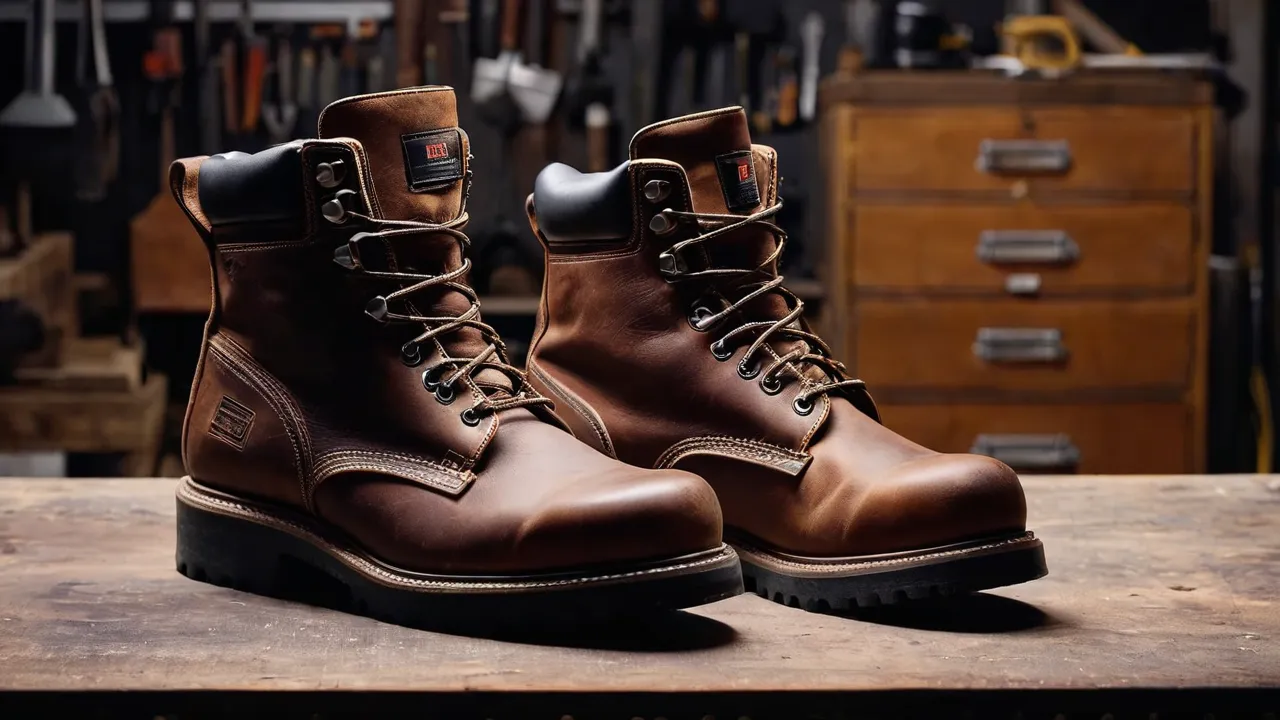
An EH marking on a work boot means the boot was built to meet a standard for electrical hazard protection, intended to reduce the chance that the sole and heel become a path for current if you step on an energized surface under dry conditions. It is secondary protection only. It does not make you safe around live circuits, and it does not replace insulated tools, lockout procedures or the rules your employer sets.
What the EH mark actually says
The mark appears on the sewn-in tag, usually as the letters EH after the toe codes in the ASTM F2413 line. It certifies that the sole and heel assembly met an electrical resistance requirement under controlled, dry conditions at the time of certification. It is a statement about the boot as made, not a promise about the boot as worn.
Two ideas help. First, EH is about the path through the sole and heel. It does not cover the upper, the laces or the metal parts on the boot. Second, EH is a backup layer. Primary protection comes from de-energizing circuits, insulated tools, rubber gloves where required and proper procedures. A boot is the layer you hope you never rely on.
Exact voltage and leakage limits are set in the standard, and published summaries do not always agree with each other. Rather than rely on a number from a product page, read the standard’s current text or ask the maker which edition the boot was certified to.
This guide is general information. EH rated boots reduce, but do not remove, shock risk. Follow your employer’s electrical safety rules, and ask a licensed electrician or safety officer about the requirements for your work.
Materials alone do not decide it
Buyers often assume that rubber soles are safe and leather soles are not, or that composite toes are non-conductive and steel toes are dangerous. The reality is less tidy.
A rubber sole can be rated EH, but it can also be worn through or embedded with metal fragments and lose its protection. A composite toe cap does not conduct, which is a point in its favor, but the boot still needs to carry the EH mark to claim protection. A steel toe cap in an EH boot is common, because the standard looks at the whole assembly. A boot is EH because it met the standard, not because of a material label on the product page.
Another trap is shanks and nails. Some boots use metal shanks or nails in the sole. A boot may still carry EH if it met the standard, but it is worth asking about, particularly if your employer has raised metal parts as a concern.
Where EH protection stops
EH has limits that are easy to forget on a long day.
- Wet conditions: moisture changes how current moves, and the mark applies under dry conditions. Standing in water or working in rain removes the assumption.
- Worn or damaged soles: cracks, deep cuts or worn through heels expose the layers beneath, and the protection may no longer hold.
- Embedded metal: nails, staples, metal shavings and conductive debris can bridge the sole.
- Contaminants: oil, salt and chemicals can degrade the sole and change its behavior.
- Replacement parts: a new sole or insole that is not part of the original design can change the assembly.
- Conductive insoles or aftermarket parts: some products are made to conduct and should not go in an EH boot.
If your work is wet, or your boots take a beating, treat EH as one layer and inspect often.
EH, conductive and static dissipative boots are different
Three boot categories get confused. EH boots resist current through the sole. Conductive boots, marked Cd, drain static electricity and are used in environments such as explosives handling. Static dissipative boots, marked SD, drain static at a controlled rate and suit sensitive electronics settings. Their goals work against each other, so one boot does not normally claim EH together with Cd or SD. If your employer mentions static control, EH may be the wrong choice, so ask which one applies to you.
EH is also not the same as dielectric footwear, which is a separate category with its own requirements, and not the same as an insulated winter boot, where insulation is a warmth feature. An insulated boot can be EH rated or not. The marks answer different questions, so check each on its own.
How to choose EH boots
Start with the requirement. Ask your employer or safety officer whether EH is required, and get the answer in writing if your job depends on it. Then check the tag, not just the product page. Look for EH on the sewn-in label, in the line that starts with the standard number.
Choose a boot you will wear all day. An EH boot that rubs your heel will end up in the truck. Fit, comfort and a sole matched to your surface matter as much as the mark. Our guide to work boots covers fit and construction, and our buying guides section has a companion explainer on reading the full ASTM line.
If you plan to resole, ask the maker whether the EH marking survives a new sole. A recraft by the maker is more likely to preserve it than a generic replacement by a third party, and a local shop may not be able to certify its work.
Questions worth asking before you buy
- Which edition of the standard does the site accept, and are earlier editions allowed?
- Does the employer provide an allowance, an approved list or a vendor?
- Are Mt or PR codes needed in addition to EH?
- Is there a rule on resoled boots?
- Does the site inspect boots, and how often?
Written answers protect you if a supervisor later challenges your pair. If you work for yourself, treat your insurance and client contracts as the source of requirements, and keep a photo of the tag in your records.
Reading a product page for EH claims
Listings often blur the line between a claim and a certification. Phrases such as “electrical hazard protection”, “non-conductive sole” or “EH ready” describe intent, not the marking. Look for a photo of the sewn-in tag or a specification line that lists the standard and the EH code. If the page shows the code only in marketing text, ask the seller for a picture of the tag, and compare it with the boot when it arrives.
Watch for two other traps. Some pages list EH for one style in a product family and not for the others, so confirm the exact model and color. Some boots are sold in men’s and women’s versions with separate certifications, so check that the code applies to the size you order. If the listing mentions a removable insole, ask whether the EH claim assumes the factory insole is in place, and keep it in the boot.
When the boots arrive, read the tag, check that it matches the listing, and photograph it. If the tag is missing, faded or unreadable, treat the boot as unmarked and return it. A boot you cannot document is of little use to a safety officer who needs to see the marking.
Care and inspection habits
Check your soles and heels regularly. Look at the sole edges for cuts and at the heel for wear that exposes the layers beneath. Pick out nails, screws and metal shavings from the tread at the end of every shift. Keep boots dry between wears, and replace them when the sole is worn through, when the boot gets soaked or contaminated, or when it is damaged in a way that could affect the sole. Do not alter the sole or add non-approved insoles, and follow the maker’s care instructions in the manual or on the product page.
If your boots are ever involved in an electrical incident, stop using them and tell your employer, since damage may not be visible.
Who should buy EH boots and who can skip them
Buy EH boots if your employer requires them, if you work near energized equipment, or if your trade involves exposure to live circuits, such as electricians, utility workers and maintenance technicians. Skip them if you work in static sensitive environments that call for Cd or SD instead, or if no electrical exposure exists. An EH mark does not make a boot better; it makes it specific. For help weighing claims like these, see our review approach.
Frequently Asked Questions
Can EH boots protect me from live wires?
No. EH boots are secondary protection that may reduce shock risk if you accidentally contact an energized surface while dry. They do not make live work safe. Use de-energizing, lockout procedures, insulated tools and the protective equipment your employer requires.
Do EH boots still work when wet?
Do not count on it. The marking applies under dry conditions, and moisture, worn soles and conductive debris reduce protection. If you work in wet conditions, follow your employer’s electrical safety rules and ask a safety officer which footwear is appropriate.
Can a steel toe boot be EH rated?
Yes. The standard looks at the whole sole and heel assembly, not just the toe material. Many steel and composite toe boots carry EH. Always confirm the EH code on the tag rather than relying on the toe material. A steel cap alone does not decide protection.
How do I know if my boots are still EH rated after wear?
Inspect the sole and heel. Cracks, worn through areas, embedded metal or contamination can compromise protection, and the mark may no longer reflect the boot’s condition. When in doubt, replace the boots and ask your safety officer. Keep a photo of the tag for your records.
Final Thoughts
Treat EH as a backup layer, read the mark on the tag, and remember that dry conditions, intact soles and the original sole assembly are all part of the claim. Confirm the requirement with your employer, never rely on a material label or a product title, and replace boots when the sole is worn or contaminated.
Related buying guides
- Factory Recraft vs Local Cobbler Resole for Work Boots
- Full Grain vs Top Grain vs Genuine Leather Work Boots
- Goodyear Welt vs Cemented Construction: Which Lasts Longer
About the author

The BuyOnceChoice Editorial Team researches durable products worth buying once. Our guides compare published specifications, warranty terms, expert review consensus, and verified owner feedback. We do not conduct our own product trials. See How We Review and our Editorial Policy for our standards.