How Long Do Work Boots Last? Lifespan by Construction
Lifespan guesses are mostly anecdotes. Break the question into sole, construction and hours worn, then compare cost per year before you replace or resole.
 By BuyOnceChoice Editorial Team
Updated November 16, 2026
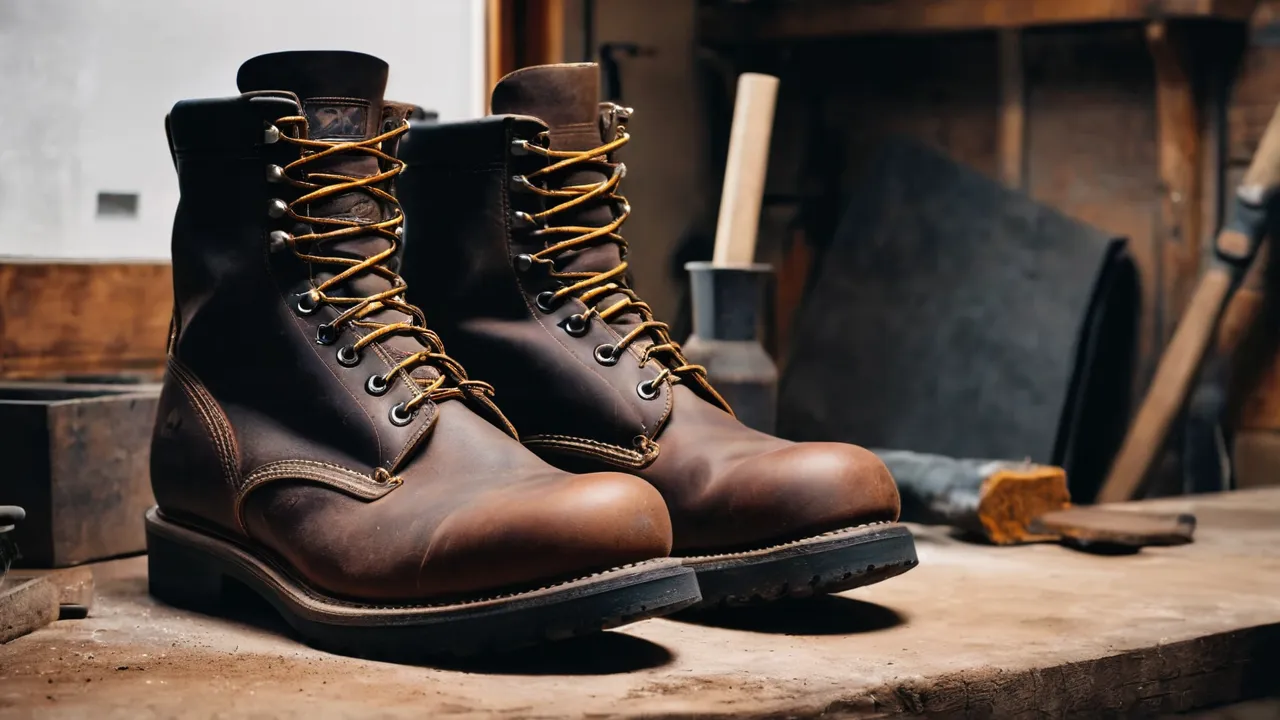
How long work boots last depends on three things you can check: how the sole is attached, how many hours a week you wear them, and what surfaces and chemicals they meet. There is no honest single number. A cemented pair worn nine hours a day on abrasive concrete wears out its outsole long before a welted pair worn two days a week does.
Why published lifespans are unreliable
Search for lifespans and you will find confident ranges that come from nowhere in particular. Makers rarely publish durability figures, and when they offer a warranty, the terms cover defects rather than wear. Owner reports vary because the owners vary: a roofer, a nurse on concrete floors and a weekend woodworker all describe the same boot differently.
Treat any single lifespan as a headline, not a fact. A better approach is to break the boot into the parts that wear at different rates and ask which one will fail first. For most work boots that part is the outsole, then the insole, then the lining, and only later the leather upper. If the boot can be resoled, the outsole failing does not end its life. If it cannot, it does.
The parts that fail first
Outsole and heel
The outsole is in contact with the ground, so abrasion decides its life. Rubber and polyurethane wear differently, and lug depth is something you can see. Once the heel corner wears down, your gait changes and the boot stops supporting you correctly. Uneven heel wear is a warning that the boot is on its way out even if the leather looks fine.
Midsole and insole
Cushioning breaks down with repeated compression. A midsole that feels flat after a few months is no longer absorbing shock the way it did, even though the boot looks new. Many people replace the removable insole first, which is inexpensive and restores comfort, although it does not fix a compressed midsole.
Lining and upper
Heel linings tear from friction, especially if the boot fits loosely. Leather creases and cracks if it dries out, and exposure to salt, chemicals or heat shortens its life. Leather care extends life, but it cannot repair a split.
Stitching and eyelets
Check stitching around the toe and at flex points. Loose or cut threads let the sole separate from the upper. Eyelets and hooks bend or tear off on boots used on ladders.
How construction changes the math
Construction sets the ceiling.
| Construction | What it means for lifespan |
|---|---|
| Welted | Sole can be replaced, so the upper often outlives several outsoles |
| Cemented | Outsole wear usually ends the boot’s life |
| Direct attach or injected | Light and comfortable, with a fixed life tied to the sole |
A welted boot costs more up front, so it is not a better buy for everyone. If you wear boots two or three days a week and take care of the leather, a welted boot can last through multiple soles. If you wear them every day on rough ground, a midpriced cemented boot replaced regularly may match the welted boot’s cost while giving you fresh cushioning each time.
Hours worn and conditions matter more than age
Boots do not age by the calendar. They wear by hours and conditions. These factors set the pace:
- Hours on your feet: a boot worn all day, every day, wears several times faster than one worn occasionally.
- Surface: abrasive concrete and gravel strip outsoles faster than carpet or smooth floors.
- Moisture: constant wetness stresses leather and glue, and drying boots away from heat keeps them from cracking.
- Chemicals: oils, solvents, salt and fertilizers damage leather and rubber, depending on the compound.
- Heat: hot asphalt and radiant heat can soften or damage some soles, so check the maker’s guidance.
A second pair worn on alternate days is one of the best moves you can make. Leather and insoles dry out between wears, and each pair gets half the wear. The cost per day does not rise much, and the life of each pair is often longer than twice as long.
Care habits that add months
Care will not rescue a boot that was wrong for the job, but a few habits slow wear on one that fits. Knock off mud and grit after each shift, because dried dirt abrades stitching and pulls moisture from leather. Let wet boots dry at room temperature, away from heaters and open flames, since fast heat shrinks and cracks leather and can weaken glue. Pull out the insoles overnight so they dry as well. Condition leather when it starts to look dull or dry, using a product the maker approves, and check the guidance before oiling a boot with a waterproof membrane. Replace laces when they fray, since a snapped lace on a ladder is a real nuisance.
Reading wear on the outsole
The outsole tells you a lot if you turn the boot over once a month. Even wear across the forefoot and heel means a normal gait. Heavy wear on the outer heel corner is common and usually harmless until the corner is rounded off. Wear on one side only points to a gait or fit issue that will shorten any boot, and a podiatrist or boot fitter may help. Look at lug depth against the edge of a coin, and note when the pattern between lugs is no longer visible.
Also check where the sole meets the upper. A small gap or a black line of dirt that deepens each month means the bond is failing, and on a cemented boot that is the end of the line. On a welted boot it means a visit to the cobbler.
Finally, note the toe. Scuffs on a leather cap are cosmetic. Cracks, dents or an exposed cap edge are not, and they are reasons to retire a safety toe boot even if the rest feels fine.
A cost per year method
To compare boots honestly, use a simple method you can do with a notebook.
- Write down the full price of the boot, including any shipping.
- Add the expected cost of any resole or insole replacement over the period you plan to own it.
- Divide by the number of years you expect to wear it, based on the hours you work each week.
- Compare options on cost per year, not sticker price.
If a welted boot costs twice as much as a cemented one but is resoled once and lasts three times as long, the welted boot is cheaper per year. If you will leave the job in a year, or if the boot does not fit well, the cheaper boot wins. Our work boots category groups guides on construction and resoling, which helps you estimate the right inputs.
Signs it is time to repair, resole or replace
Replace the boot if the midsole is crushed, the upper has split, or the safety toe is dented or exposed. A damaged cap no longer does its job. Resole the boot if the upper is in good condition and the construction allows it. Repair stitching or hardware if the damage is small. If you are unsure, ask a cobbler for an estimate before deciding, because a quote costs little and tells you a lot. Our buying guides list related explainers on repair decisions.
A worked comparison
Take a worker on concrete five days a week who keeps boots through a full year. Replacing a cemented pair twice a year and resoling a welted pair once a year can end at similar cost, but the welted pair gives a broken in fit and the cemented route gives fresh cushioning more often. A worker who wears boots two days a week may see the cemented pair last several years, in which case neither the resole nor the welt premium is needed. Use your own hours and local quotes.
Who should buy for longevity and who should not
Buy for longevity if you wear boots most days, you value fit that you have already broken in, or you can maintain leather with regular care. Skip the premium if your job changes often, if you would replace boots at the first sign of wear anyway, or if the boot’s protective features are required by an employer who inspects them and may reject worn pairs. In those cases, an affordable boot replaced on schedule is the practical choice. See our review approach for how we weigh durability claims.
Frequently Asked Questions
How often should work boots be replaced?
When protection or support is gone, not on a fixed schedule. Replace boots with a crushed midsole, a split upper or a damaged safety toe. Resole when the upper is sound and the construction allows it. Hours worn and surfaces matter more than calendar age.
Do welted work boots last longer?
Often, because the sole can be replaced while the upper stays. The advantage depends on whether the upper outlasts the sole and whether you actually resole. For light use or fast replacement cycles, a cemented boot can be the better value.
How many hours a week do work boots wear out faster?
There is no threshold, but daily all day wear wears boots several times faster than occasional use. Hard abrasive surfaces, wet and chemicals add to that. Rotating two pairs spreads the wear and often extends each pair’s life. Track your own hours to estimate cost per year.
Can I make work boots last longer?
Yes. Knock off mud after shifts, dry them at room temperature, remove insoles at night, condition leather when it looks dry, replace laces and rotate two pairs. Care slows wear but cannot rescue a boot that was wrong for the job.
Final Thoughts
Ask which part fails first, whether it can be replaced, and how many hours you wear the boot each week. Use cost per year to compare, rotate two pairs if you can, and replace boots when protection or support is gone rather than when the leather looks tired.
Related buying guides
- How to Break In Leather Work Boots Without Blisters
- How to Choose Work Boots: A Buy Once Decision Guide
- Lace Up vs Pull On Wellington Work Boots: Which Is Better
About the author

The BuyOnceChoice Editorial Team researches durable products worth buying once. Our guides compare published specifications, warranty terms, expert review consensus, and verified owner feedback. We do not conduct our own product trials. See How We Review and our Editorial Policy for our standards.