How to Choose Work Boots: A Buy Once Decision Guide
Most boot guides list features. This one gives a fixed order of decisions so a hazard or a fit problem never gets buried under a nice-looking leather.
 By BuyOnceChoice Editorial Team
Updated November 16, 2026
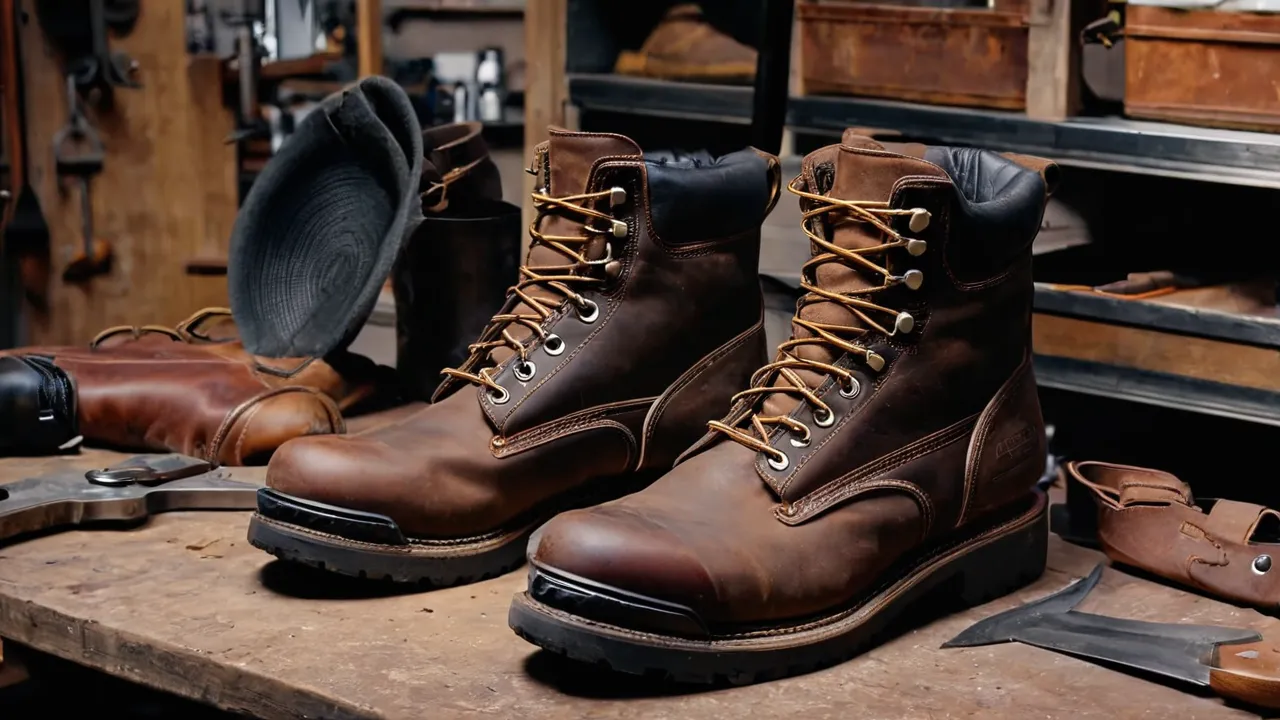
How to choose work boots comes down to five decisions made in a fixed order: the hazards on your job, the fit on your foot, the construction method, the sole, and whether the boot can be resoled. Skipping ahead to leather type or brand is how buyers end up with a handsome pair that fails on the first day of real work.
Step one: write down the hazard list
Before you open a single product page, list what your job can do to a foot. Falling objects point to a safety toe. Nails and scrap point to puncture resistance. Live circuits point to electrical hazard protection. Wet concrete points to waterproofing. Hot asphalt points to a sole that tolerates heat. Standing on steel decking all day points to a stiff shank and a cushioned midsole.
Some jobs have almost no hazards. A delivery driver, a landscaper trimming hedges or a carpenter working inside a finished house may need nothing more than a durable, comfortable boot. That is a legitimate answer, and it saves weight and money. If your employer sets a footwear policy, the policy is the hazard list, and our guide to work boots is a good place to compare options once you know your requirements. Safety markings follow standards, so confirm the required codes with your employer or safety officer.
Never choose a protective feature you do not need just because it sounds safer. Extra stiffness, a metatarsal guard or a heavy toe cap all cost comfort, and a boot you take off at lunch is not protecting anything.
Step two: fit before features
The best specification on the wrong last is a bad boot. Measure your feet in the afternoon, wearing the socks you will wear at work, and measure both feet because they differ. Fit rules that hold across brands:
- Your heel should sit firmly with only slight lift when you walk, since new leather softens.
- You should be able to wiggle your toes freely without the toe cap touching them when you stand on a downward slope.
- The widest part of your foot should land at the widest part of the boot, not be squeezed by it.
- No pressure on the ankle bones or top of the foot from the tongue or laces.
If you are between sizes, buy the one that fits the length and fix width with the right last rather than adding thick insoles. Our buying guides section has more on sizing mistakes and what to do about them.
Step three: construction decides longevity
Construction is how the upper is joined to the sole. Three methods cover most work boots.
Welted boots
A welt is a strip of leather or synthetic stitched around the boot to join the upper to the sole. It lets a cobbler replace the sole without pulling apart the upper. Welted boots cost more, weigh more and take longer to break in, but they are the usual choice for people who want one pair to last through several soles.
Cemented boots
Cemented boots are glued to the outsole. They are lighter and more flexible out of the box, and they cost less. Replacing the sole is difficult or not possible, so when the outsole wears out, the boot is done. For many warehouse and light duty jobs, that is a fair trade.
Stitchdown and direct attach
Stitchdown and direct attach methods sit between the two and vary by maker. If resoling matters to you, ask the maker whether they recraft the boot or whether a cobbler can do it.
Step four: match the sole to your floor
The sole is where the boot meets your job. Look at the surface you work on most.
| Surface | What to look for |
|---|---|
| Oily or wet shop floors | Slip resistant outsole with a soft, grippy compound |
| Gravel and uneven ground | Deeper lugs with a defined heel |
| Hot surfaces | A heat tolerant outsole; check the maker guidance |
| Concrete all day | Cushioned midsole and a supportive footbed |
| Ladders and rungs | A defined heel and a firm shank |
No single sole does everything. A deep lug that grips mud can feel unstable on a smooth floor, and a soft grippy compound can wear out quickly on abrasive ground.
Step five: ask whether it can be resoled
If you plan to keep the boot for years, find out before you buy whether it can be resoled, and by whom. Some makers offer factory recraft. Others work with local cobblers. A boot that cannot be resoled has a fixed lifespan set by the outsole, however good the leather is.
Resolability changes how you read price. A more expensive welted boot that gets resoled once or twice can be a better value than two cemented boots, but only if you wear it enough for the sole to wear out before the upper does.
Mistakes that cost the most money
Most expensive boot mistakes are decisions made too early or too fast. Buyers pick a leather type, fall for a color or trust a friend’s pair, and only afterward check whether the boot matches their foot and their job.
- Buying for the hazard you imagine rather than the one you face. A tradesperson who works indoors on finished floors rarely needs a puncture plate, yet many buy one and then complain the boot feels like a plank.
- Ignoring break-in. Welted leather boots usually need days or weeks of wear before they settle, and some buyers return a boot that would have been fine by the second week. Wear them at home on clean floors first, so a return stays possible.
- Treating waterproofing as a given. A membrane keeps water out and also slows sweat from leaving, so a boot that stays dry in a puddle may feel damp after a hot shift.
- Skipping a second pair. Rotating two pairs lets leather and insoles dry between shifts, which stretches a boot’s life without extra cost per day.
- Letting a sale price decide the fit. A discount on a boot that pinches is a discount on a pair you will not wear.
Return windows exist for a reason: use them if the boot is wrong in the first week.
Who should skip heavy duty boots
Skip a full welted, protective boot if you spend most of your day driving, walking on flat floors, or working in a climate controlled space with no footwear policy. A lighter cemented boot will be easier on your feet and cost less. Skip a safety toe if no hazard on your list needs one. Skip a metatarsal guard unless your employer or the work really calls for it.
Choose heavy duty if you work around falling objects, heavy equipment or uneven terrain, if your employer requires it, or if you want a boot you can maintain for years. If you are unsure, start with the hazard list and fit steps and let the rest follow. Our review approach explains why we focus on these criteria rather than leather names or brand reputation.
A worked example
Take a framing carpenter who works on slab and plywood decking, climbs ladders daily and occasionally steps near exposed nails. The hazard list points to a safety toe and possibly puncture resistance, plus a sole with a defined heel. Fit comes next: wide forefoot, so the carpenter checks width options. Construction: because the carpenter wears the boots five days a week, a welted boot is worth considering if a cobbler is nearby. Sole: gravel and plywood favor a moderate lug with a defined heel. Resolability: confirm the maker’s recraft or a local cobbler. Each answer narrows the field before brand or color enters the picture.
Now take a delivery driver who steps in and out of a truck. The hazard list is short, so a lightweight cemented boot with a cushioned footbed fits, and the sole needs grip for wet steps. The two buyers pick different boots because the order of questions gives different answers.
Frequently Asked Questions
What should I look for first when buying work boots?
Start with the hazards on your job and any employer footwear policy, then check fit. Features such as a safety toe, puncture resistance or electrical hazard protection only help if your work calls for them. Confirm required safety markings with your employer before shopping.
Are welted work boots worth it?
They are worth it if you wear boots most days, plan to resole and have a competent cobbler nearby. The welt lets you replace the sole without rebuilding the upper. For light duty or short replacement cycles, a cemented boot can be the better value.
How should work boots fit?
Snug at the heel with only slight lift, room to wiggle your toes without touching the cap on a downward slope, and no pressure on the ankles or instep. Measure in the afternoon with your work socks, and try both feet.
Do I need a safety toe for my job?
Only if your work has impact or compression hazards or your employer requires it. A safety toe adds weight and stiffness. Ask your employer or safety officer, and check the label inside the boot for the markings the job requires.
Final Thoughts
Choose in order: hazard, fit, construction, sole, resolability. A boot that wins the first two steps and loses on style is a better purchase than one that wins on style and fails on fit. Wear them around the house before you commit to a work shift, check the tag against your employer’s list, and keep the receipt until the boot has had a full week of real use.
Related buying guides
- Lace Up vs Pull On Wellington Work Boots: Which Is Better
- Leather vs Synthetic Work Boots: Durability and Cost
- Made in USA Work Boots: What the Label Really Means
About the author

The BuyOnceChoice Editorial Team researches durable products worth buying once. Our guides compare published specifications, warranty terms, expert review consensus, and verified owner feedback. We do not conduct our own product trials. See How We Review and our Editorial Policy for our standards.