Where to Install a Home Battery: Garage Basement Outdoor
Garage, outdoor wall or basement? A practical way to pick the right spot for a home battery based on climate, water risk, clearances and code.
 By BuyOnceChoice Editorial Team
Updated November 16, 2026
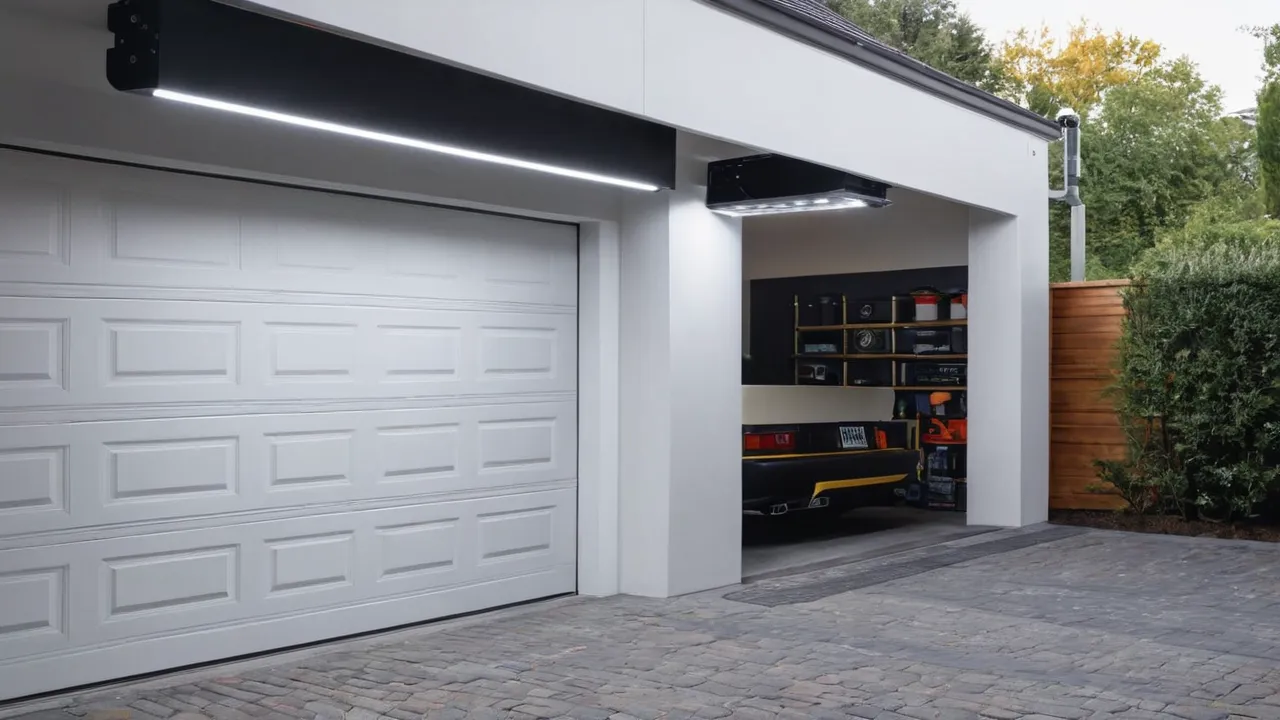
The best place to install a home battery is a spot that stays within the manufacturer’s temperature range, has the clearances the manual requires, is protected from water and vehicle impact, is allowed by local code, and sits close enough to the electrical panel to keep wiring short. For many homes that means a garage wall, an exterior wall, or a utility room, and rarely a bedroom, closet, or living space.
Temperature, clearances, and code vary by product and by place, so this guide gives a method to choose a spot and the questions to ask, but your manual, your installer, and your local building department make the final call. Browse our home battery backup guides for models, visit our power and energy section for related guides, and read our review approach for how we treat specifications. A home battery must be installed by a licensed professional with permits and inspection.
The Four Things a Good Location Must Provide
- A temperature within the battery’s stated operating and charging range.
- Clearances for airflow, service access, and fire safety, as the manual and code require.
- Protection from water, flooding, vehicles, and physical damage.
- Compliance with local code and the utility’s requirements, including permits.
Check each against the manual before you fall in love with a spot. A location that fails one of the four is not a good compromise. Remember that the manual describes conditions the manufacturer has evaluated, so a spot outside those conditions may void the warranty even if the battery seems to work. When in doubt, choose the more conservative location and keep notes on why, since inspectors and future buyers may ask.
Garage Walls: The Common Default
Garages are the most common location. They have wall space, are close to the electrical panel, and are not living areas. Garage installs need a few checks. Protect the battery from vehicle impact with a protective post or a barrier if the manual or code asks for one, and mount it above the floor level if the area can flood. Keep it away from heat sources such as water heaters, and away from stored fuel and solvents. Check the temperature, since a garage can be very hot in summer and below freezing in winter, and many batteries limit charging in the cold or heat.
Many codes limit the size of a battery system in a garage and require spacing between units. Ask the installer what applies.
Outdoor and Exterior Wall Installs
Many batteries are rated for outdoor use, with a weatherproof enclosure. An exterior wall keeps the battery out of living spaces and close to the service panel. Check the ingress rating, the temperature range, and the clearances from windows, doors, and air intakes. Protect it from direct sun if the manual advises, since heat shortens battery life, and from snow drifts and standing water. Consider a shaded north or east wall in hot climates. Keep the area around it clear of vegetation and debris, and leave service access.
Basements, Utility Rooms, and Spaces to Avoid
Basements and utility rooms can work if they are dry, temperature controlled, and permitted by local code. Flooding is a risk in basements, so raise the unit and check the flood history. Avoid sleeping rooms, closets that open to sleeping rooms, bathrooms, and living areas, since model codes commonly restrict batteries there. Avoid attics, crawl spaces, and places that overheat. Avoid spots near gas appliances, furnaces, and water heaters unless the manual and code allow it, and never block exits.
A Quick Rule for Rejected Spots
- If a space is a bedroom or opens into one, skip it.
- If it floods or gets damp, skip it or elevate the unit.
- If it regularly goes below freezing or above the manual’s upper limit, skip it or add conditioning.
- If it blocks access, windows, or exits, skip it.
Clearances, Permits, and Inspection
The manual lists minimum clearances around the battery for ventilation, service, and fire safety. Local codes may add more, based on standards for energy storage systems. A permit and an inspection are required in most places. The inspector checks the mounting, the wiring, the labeling, the disconnects, and the location. Utilities may require notification, particularly with solar. Unpermitted installs can void the warranty and cause insurance and resale problems.
Ask the installer to show the clearances on a drawing, and to explain which rules apply. Keep the permit and inspection records with your warranty paperwork.
Distance to the Panel and Wiring Considerations
A shorter run between the battery and the service panel usually means less conduit, less voltage drop, and a lower installation bill. But shorter is not always better if it means a hot or exposed location. Weigh the added wiring against the benefits of a better spot. The installer should show the route, the conduit type, and any trenching for an outdoor run. Keep the area in front of the panel clear, since code requires working space around electrical equipment, and do not let a battery block it. Ask whether the system needs a separate backup subpanel, since that adds a component and takes wall space too.
Fire Safety, Alarms, and Access
Smoke and carbon monoxide alarms near the installation help catch problems early, and some codes require specific detection or fire-rated walls in certain locations. Keep an unobstructed path to the battery and its disconnect, so responders can shut it off. Label the disconnects clearly. Keep flammable storage away from the unit, and keep children and pets from tampering with it. Know where the shutoff is, and show every adult in the house. Ask the installer to walk you through the shutdown procedure before they leave.
Questions for Your Installer
- What temperature range does the manual allow, and how will this location stay within it?
- What clearances does the manual require, and how does this spot meet them?
- What does local code require for this location, and has the building department confirmed it?
- How will the battery be protected from vehicles, water, and sun?
- What is the wiring route, and where are the disconnects?
- What happens to the warranty if the location is outside the manual’s limits?
Get the answers in writing, and keep them with your permit records, the manual, and the warranty, in one folder that a future owner or inspector can find. Installers who know the local code usually have a ready answer for each of these questions.
Climate and Seasonal Traps
Temperature is the biggest trap. In hot climates, a battery in a hot garage or in direct sun may derate or age faster. In cold climates, a battery in an unheated garage may refuse to charge in winter, and have reduced output. Some batteries include heaters or thermal management, which use some energy. Humid or coastal environments add corrosion, and wildfire areas add smoke and ash. Snow can bury outdoor units. Ask the manufacturer about the operating range, thermal management, and what the unit does when temperatures leave it.
A Simple Method to Choose Your Spot
- List candidate locations, and photograph each.
- Measure the available space, and compare it with the dimensions and clearances in the manual.
- Note the distance to the electrical panel and the route for conduit.
- Check temperature swings, flood history, and vehicle exposure for each spot.
- Ask the installer and the building department about local rules.
- Choose the spot that passes all checks with the shortest, safest run.
A Worked Example
A homeowner considers a garage wall near the panel, a basement utility room, and an exterior wall by the meter. The garage gets hot in summer and is exposed to vehicle bumps, but it is close and allowed with protection. The basement is cool but floods occasionally. The exterior wall is shaded, near the meter, and rated for outdoors, but it faces a window. After reading the manual and asking the installer, the homeowner picks the exterior wall, moves the unit so that the clearance from the window is met, and adds a small roof overhang. This is an illustration, so use your own site.
Frequently Asked Questions
Can I install a home battery in my garage?
Often yes, if the temperature range, clearances, and local code allow it, and the battery is protected from vehicle impact and flooding. Many codes limit battery size and spacing in garages. Ask your installer and your building department, and follow the manual.
Can a home battery go inside the house?
Sometimes, in a utility room or basement, if the manual and code allow it. Model codes commonly restrict batteries in bedrooms, closets near bedrooms, and living spaces. Ask the installer and the building department, and keep the unit away from exits and ignition sources.
Can a home battery be installed outdoors?
Many models are rated for outdoor use, with weatherproof enclosures. Check the ingress rating and temperature range, keep clearances from windows and doors, protect from direct sun and standing water, and get permits. Cold and heat limits still apply, so read the manual.
Final Thoughts: Matching Buyer to Location
Pick a spot that keeps the battery within its temperature range, provides the required clearances, protects it from water and impact, and satisfies local code. Garages and exterior walls suit most homes, and bedrooms and living spaces suit none. Follow the manual, rely on a licensed installer, and keep the permit records.
Related buying guides
- Whole Home vs Partial Battery Backup
- AC Coupled vs DC Coupled Home Batteries
- Are Home Batteries Worth It: A Decision Checklist
About the author

The BuyOnceChoice Editorial Team researches durable products worth buying once. Our guides compare published specifications, warranty terms, expert review consensus, and verified owner feedback. We do not conduct our own product trials. See How We Review and our Editorial Policy for our standards.