Home Battery vs Standby Generator: Which Backup Wins
A battery wins on quiet and automatic backup for short outages, a standby generator on long ones. Compare fuel, noise and maintenance before you choose.
 By BuyOnceChoice Editorial Team
Updated November 16, 2026
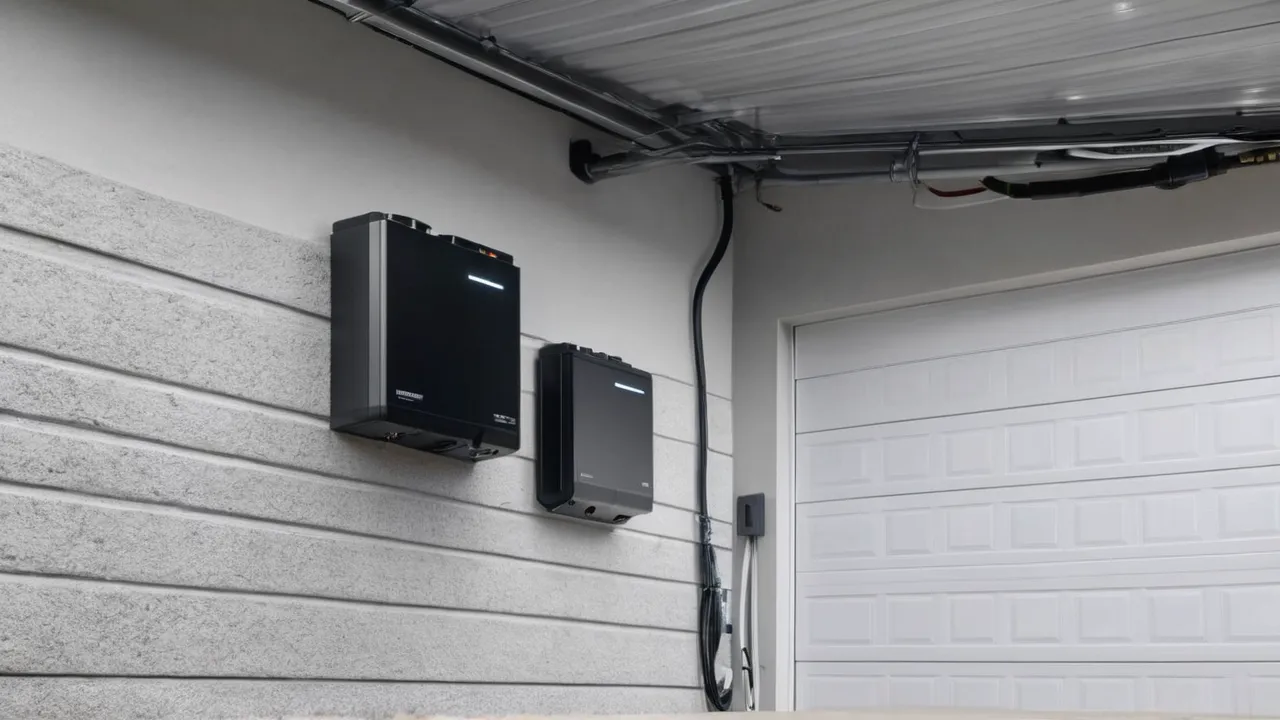
A home battery stores energy and delivers quiet, automatic backup with no fuel, but its runtime is limited by capacity. A standby generator burns natural gas or propane and can run for days as long as fuel lasts, but it is louder, needs service and produces exhaust. Choose a battery for short outages, solar homes and quiet operation, and a generator for long outages and heavy loads, or pair them.
How Each One Works
A home battery is a stationary lithium battery with an inverter, connected to your electrical panel through a gateway. When the grid fails, it isolates the house and supplies power from stored energy, usually within a fraction of a second to a few seconds. It can recharge from solar or from the grid when power returns.
A standby generator is a permanently installed engine generator on an outside pad, connected to a fuel supply, usually natural gas from the utility line or propane from a tank, and to an automatic transfer switch. When the grid fails, the switch signals the engine to start, the generator warms up and the switch moves your loads over, often within several seconds to about half a minute. It stops and returns to standby when utility power returns.
Outage Length
Outage length is the biggest factor. A battery has a fixed amount of energy. With essentials only, a typical battery might last a day or more, and with solar recharging it can stretch longer, depending on weather and use. With heavy loads such as air conditioning or electric heat, it can run down in hours.
A standby generator on a natural gas line can run as long as the gas supply holds, which usually means days or weeks. One on a propane tank runs until the tank is empty, so tank size and refill access matter. For regions with multi day outages after storms or ice, a generator offers peace of mind that a battery alone may not.
Work through a simple runtime comparison with your own numbers. Suppose your essentials draw about 4 kilowatt hours a day. A battery with 10 kilowatt hours of usable capacity covers about two and a half days of those essentials if nothing recharges it, and with solar adding a few kilowatt hours a day it can last longer. If you add air conditioning that uses 15 kilowatt hours a day in summer, the same battery lasts only a few hours. A generator burning natural gas does not care about the difference, because it keeps producing power, although it uses more fuel at higher loads. Putting your own loads into this comparison shows quickly which tool fits.
Fuel Dependency
A battery needs no fuel, so there is no storage or delivery to worry about. It does depend on the grid or solar to recharge, so a cloudy week with no grid is a limit. A generator depends on fuel. Natural gas lines are generally reliable, but they can be interrupted in disasters. Propane tanks need refills, and deliveries can be hard during storms. If you choose propane, ask about tank size and run time at your loads.
Noise, Emissions, and Placement
Batteries are silent apart from a fan hum, produce no exhaust and can be installed in approved indoor or outdoor locations, following the manual and code. Generators make engine noise, exhaust carbon monoxide and heat, and must sit outdoors with clearances from windows, doors, vents and combustible materials. Local rules may limit noise and placement, and exercise runs every week add sound at set times. Carbon monoxide risk means you should keep alarms working in the home, and you should never run a fuel generator indoors, in a garage or near doors, windows and vents.
Maintenance and Reliability
Batteries need little maintenance beyond software updates and keeping the area clear. Their warranties are often long, measured in years and energy throughput. Generators need regular service, including oil and filter changes, spark plug replacement and battery checks, typically each year, and they run weekly exercise cycles. A neglected generator may fail to start when needed, and service by a qualified technician is part of owning one. Both products depend on correct installation.
Ask each installer about the service plan. For generators, ask whether annual service is included, who performs it and what happens if the unit fails during an outage. For batteries, ask about remote monitoring, how software updates are handled and what the response is if a fault appears. A system with good support and monitoring is easier to rely on than one that sits unnoticed until a storm.
Power Output and Heavy Loads
Generators handle large loads, such as air conditioners, well pumps and electric ranges, as long as the unit is sized correctly, and they can supply sustained high power. Battery systems have power limits in kilowatts, and a single unit may not start a large air conditioner or run several heavy loads at once. Adding batteries increases both power and capacity, at a cost. Ask the installer about continuous and peak ratings and how the system starts your largest motor. See the whole-home generators category and the home battery backup category for options.
Look at the largest loads in your home. A central air conditioner, a well pump, an electric dryer and an electric range can each draw several kilowatts. A standby generator sized at several times the running load can handle them with load management that sheds or sequences big loads. A battery can do the same if sized for power, but the number of batteries needed grows quickly. If you want to run large loads regularly in an outage, plan for a generator or a larger battery bank with an installer’s written confirmation of what it will start.
Decision Rules by Buyer Type
- Short outages and solar owners: a battery, which can also save money through solar shifting.
- Long outages, heavy loads, no solar: a standby generator.
- Medical needs: consult device makers, and consider a battery with a generator for long events.
- Quiet neighborhood or tight lot: a battery, where rules and space limit generators.
- Remote home with well, heat and long outages: a generator, often with a battery for fast switching.
Add a time of year check. If your outages mostly come in winter storms when solar production is low, a battery alone may be less useful than it looks. If your outages come in summer heat when solar is strong, a battery can recharge daily and carry you through. If your outages are short but frequent, a battery handles them with no effort and no noise. Match the tool to the season and the typical length of your outages, and revisit the decision if your situation changes.
Safety and Professional Work
Both systems connect to the home’s electrical system and need a licensed electrician or certified installer, permits and inspection. Do not connect either to a panel yourself, since backfeed can injure utility workers and cause fires. Generators need gas line work by licensed professionals. Never charge or store damaged, swollen or hot battery packs, and follow temperature limits in the manual. Never run a fuel generator indoors or in a garage.
Costs Over the Long Run, Without Quoting Prices
Compare the total cost over ten years or more. For a battery, include the equipment, installation, permits, any panel work, monitoring and the possibility of replacement. For a generator, include the unit, pad, gas line or propane tank, transfer switch, installation, permits, annual service, fuel and eventual replacement or major repair. Subtract any savings from solar shifting for the battery, and add the cost of fuel storage for propane. Ask for itemized quotes, because installation can be a large share.
Real-World Scenarios
A suburban home with solar and occasional two hour outages will get daily value from a battery. A rural home with a well pump and week long ice storm outages is better served by a generator. A coastal home facing hurricanes may want both: a battery for instant, silent switching and a generator for days without sun.
Think about the household’s habits as well. A household that wants no maintenance and no fuel handling will find a battery easier to live with. A household that is comfortable with a service contract and wants maximum runtime will like a generator. A household that cares about quiet and emissions will lean toward the battery. Honest answers to these questions often decide the choice more than specifications do.
Hybrid Approaches Worth Considering
A battery with a generator input lets the generator recharge the battery during long outages, so the generator runs only part of the day. A smaller generator can then be used, and the battery handles peaks and quiet hours. Ask your installer whether the products you are considering support this. See how we review for our approach.
Frequently Asked Questions
Is a home battery better than a standby generator?
It depends on outage length and loads. A battery is quiet, automatic and fuel free, but limited by stored energy. A generator runs for days with fuel and handles heavy loads, but it is loud and needs service. Many homes benefit from combining both.
How long can a standby generator run continuously?
Many are designed for extended running when fuel and maintenance allow, from days to longer, but follow the manual for oil checks and limits. Natural gas supply is usually continuous, while propane depends on tank size. Plan for fuel and service.
Can a battery run an air conditioner?
Some systems can, if the inverter has enough continuous and peak power, but air conditioning drains a battery quickly. A soft starter or a larger system may be needed. Ask the installer to confirm in writing that it will start your unit.
Do I need a transfer switch with a home battery?
Home battery systems use a gateway or backup panel that isolates the house from the grid, installed by a licensed electrician. Generators use an automatic or manual transfer switch. Both prevent backfeed, which can injure utility workers. Ask your installer which device your chosen system includes.
Final Thoughts
Choose a home battery for short outages, solar homes and quiet backup, and a standby generator for long outages and heavy loads. Consider pairing them for the best of both, and use licensed professionals for installation.
Related buying guides
- How Long Do Home Batteries Last: Warranty Guide
- kW vs kWh: Home Battery Power and Energy
- LiFePO4 vs NMC for Home Battery Storage
About the author

The BuyOnceChoice Editorial Team researches durable products worth buying once. Our guides compare published specifications, warranty terms, expert review consensus, and verified owner feedback. We do not conduct our own product trials. See How We Review and our Editorial Policy for our standards.