Cold Water vs Hot Water Pressure Washer: Worth It
Hot water cuts grease and oil that cold water pushes around. Find out which jobs justify a heated washer and who gets the same result with cold water.
 By BuyOnceChoice Editorial Team
Updated November 16, 2026
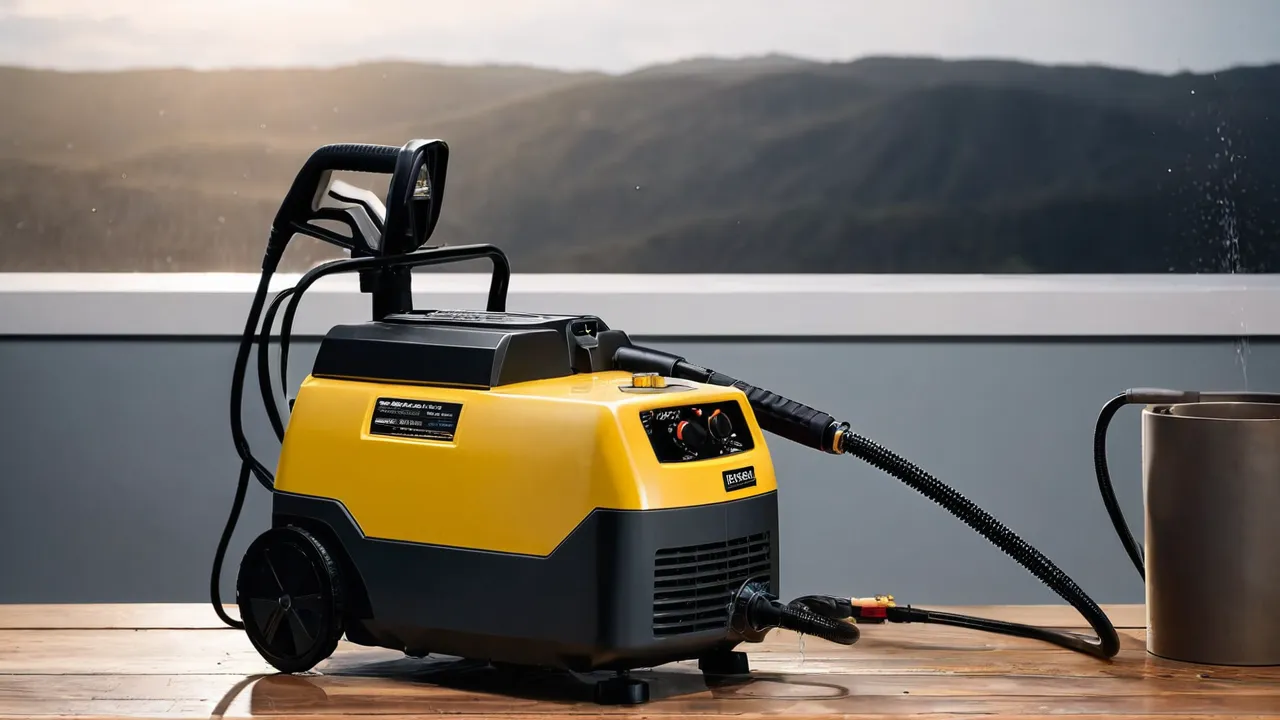
A hot water pressure washer is worth it when you regularly remove grease, oil, wax or animal fat, such as in a workshop, a farm or a commercial kitchen. For ordinary house washing, decks, driveways and cars, a cold water washer with the right detergent does the job at a much lower purchase and running cost. Heat is for oil, not for ordinary dirt.
What Heat Actually Adds
Pressure removes loose dirt by force, and detergent breaks down films. Heat does a third job. It softens and thins grease, oil and waxy residue so they release and rinse away instead of smearing. Hot water also helps detergents work faster and helps surfaces dry quickly after rinsing.
Think of heat as a tool for a specific kind of soil, the way a degreaser is for a specific kind of stain. It does not help much with mud, pollen, mildew, loose paint or light grime, which pressure and the right detergent handle at room temperature. That is why most home users never miss it. The benefit is real but narrow, and it scales with how much oil and fat the job involves.
How Heated Machines Work
A hot water pressure washer has a burner and coil, usually fueled by diesel, kerosene or sometimes propane or natural gas, that heats water as it passes through the unit. Electric heating elements exist, but most heated units use a burner. These machines are larger, heavier and more complex than cold water washers, and they need fuel, an electrical supply for the pump and controls, and ventilation for exhaust.
Many models let you switch heat on or off, so you can run cold for everyday rinsing and hot for grease, which also saves fuel. The manual states the maximum temperature and how long the machine must run cold at shutdown to cool the coil. Only use heat on surfaces, hoses and wands that are rated for it.
Who Needs Hot Water
- Auto and equipment shops: engine grease and oil need removal, and heat shortens the job.
- Farms and ranches: equipment, barns and animal pens carry fat and manure films.
- Restaurants and commercial kitchens: floors, mats and vents collect fats and oils.
- Fleet and construction work: trucks and heavy equipment carry oil and tar films.
- Oil stained concrete: it responds better to hot water and a degreaser.
- Anyone who cleans many greasy surfaces: the time saved adds up.
If your needs are an occasional oil spot on a driveway or a dirty grill, a degreaser with a cold washer or a stiff brush often suffices. Verdict by buyer type: homeowners should buy cold, small shops and farms should weigh heat against rental, and commercial cleaners should buy heat.
Cost and Ownership
Heated units cost far more than cold water models of similar pressure, and they use fuel and need burner maintenance such as cleaning the coil, replacing nozzles and filters and descaling in hard water areas. Mineral buildup in the coil is a common problem in hard water, and a water softener or regular descaling extends life. Parts such as burner nozzles, fuel filters and ignition electrodes wear out at intervals the manual lists.
Storage and winterizing are more involved, since the coil and pump both need protection from freezing. Transport is harder because the unit is heavy and often sits on a cart or trailer. Fuel must be stored in approved containers away from ignition sources. Cold water washers are cheaper and simpler, and many people already own one. Renting a heated washer for a one time job is often better than buying, and a pro service can do heavy cleaning for a fee.
Cold Water With Detergent: What You Can Do Without Heat
You can get good oil and grease removal with cold water by using a purpose made degreaser, letting it sit for the time on the label, agitating with a brush and rinsing with a medium pressure fan. Pretreating stains, working in warm weather and cleaning promptly all help. For oil on concrete, an absorbent powder first removes the bulk, followed by a degreaser and a rinse. Repeat applications are common.
Hot water does give a faster, more complete result on a grease film over a large area, which is where the time saved counts.
Reading Specs on a Heated Washer
Look at pressure and flow first, since they set the cleaning force, then at the temperature rise and the maximum outlet temperature. A heated unit raises water by a stated amount over the inlet temperature, so cold inlet water in winter yields cooler output than in summer. Check the fuel type, the burner’s fuel use, the tank size and the run time per tank.
Note the weight and the cart or wheel setup, whether the machine has a thermostat and safety shutoffs for loss of water or flame, and whether the hose and wand are rated for the temperature. A mismatched hose is a real hazard. Also check the pump type and warranty, since heated units are long term tools. Parts availability matters more than the badge on the machine, so favor a brand with a local service network, particularly for a commercial purchase.
Matching the Machine to the Job
Do a short audit of your cleaning and be honest about frequency, since a heated washer used twice a year is hard to justify. List the surfaces and soils you clean in a season, the volume of grease and oil, and how fast you need results. If grease and oil make up most of the list, heat saves time and detergent. If most of the list is dirt, pollen and mildew, put the money into a good cold washer, a surface cleaner and the right nozzles. The pressure washers category shows how machines are grouped.
A worked example helps. A small repair shop that degreases floors and parts every week might spend hours on each pass with cold water and repeated detergent. Heat can cut the number of passes, so the machine earns back its cost in labor. A homeowner who washes siding twice a season and sees a few oil drips on the garage floor would never recover that cost.
Think about running cost as well. A burner uses fuel only while it heats, so a washer run cold most of the time costs little extra, but a washer run hot all day burns through a tank quickly. Ask how long a tank lasts at full heat, how easy refueling is in the field, and whether the machine needs a separate power source for the controls. Those answers show whether the machine fits a mobile service job or a fixed shop.
Renting, Hiring and Alternatives
Before buying, price the alternatives. A rental yard or equipment dealer may rent heated units by the day. A cleaning service can bring a heated truck mounted system for a large concrete or fleet job. For kitchen exhaust or grease traps, a licensed service is often required by local code. For small oil stains, a degreaser and a cold washer suffice.
Safety and Runoff
Hot water can scald, and a burner produces exhaust that contains carbon monoxide, so use heated units only outdoors or where ventilation is adequate and the manual allows it. Never touch the coil or a hot hose, and let the machine cool as directed. Wear eye protection and gloves, and handle fuel as the manual describes. For fuel lines, burner repair or electrical work, use a qualified professional.
Grease and cleaner runoff may be regulated. Check local rules on discharge to storm drains, and collect or contain wash water where required, particularly in commercial work. Our lawn garden and outdoor hub lists related guides.
Frequently Asked Questions
Do I need a hot water pressure washer for oil stains?
Not always. Light oil stains on concrete usually lift with an absorbent powder, a degreaser, a brush and a cold rinse, repeated if needed. A hot water machine helps when oil or grease covers large areas, is set in, or recurs, since heat thins the film and shortens the work.
Can you convert a cold water pressure washer to hot water?
Some cold water washers accept inlet water from a hose up to the temperature the manual allows, but many do not. Hot water can damage seals, pumps and hoses not rated for it. Check the manual first, and never feed boiling or very hot water into a pump that is not approved for it.
Is hot water better for washing a house or deck?
Generally no. Siding, decks and fences carry dirt, mildew and algae, which respond to detergent, dwell time and the right nozzle. Heat can also damage soft surfaces and strip finishes. A cold water washer is the usual choice for house work, so match pressure to the surface.
Is it cheaper to rent a hot water pressure washer?
For a one time job, usually yes. Renting avoids the purchase cost, fuel storage, burner upkeep and winter care. Buying makes sense only when you clean greasy surfaces often enough that rental fees and lost time would exceed ownership cost. Compare rental rates in your area before you decide.
Final Thoughts
Buy hot water if grease, oil or wax is a routine part of your work, and accept the higher cost, fuel and upkeep. For house, deck, car and driveway work, a cold water washer with the right tips and detergent is the sensible choice, and renting heat for a one time mess is cheaper than owning it. See How We Review for how we treat performance claims.
Related buying guides
- Gas vs Electric Pressure Washer: Power and Upkeep
- Pressure Washer Nozzle Guide: Surfaces and Damage
- Pressure Washer PSI vs GPM: Cleaning Units Explained
About the author

The BuyOnceChoice Editorial Team researches durable products worth buying once. Our guides compare published specifications, warranty terms, expert review consensus, and verified owner feedback. We do not conduct our own product trials. See How We Review and our Editorial Policy for our standards.