Built In vs Freestanding Grill: Planning and Clearances
A built in grill sits in a fixed island with a gas or power plan, a freestanding cart can move. Compare clearances, utilities, cost and who should choose which.
 By BuyOnceChoice Editorial Team
Updated November 16, 2026
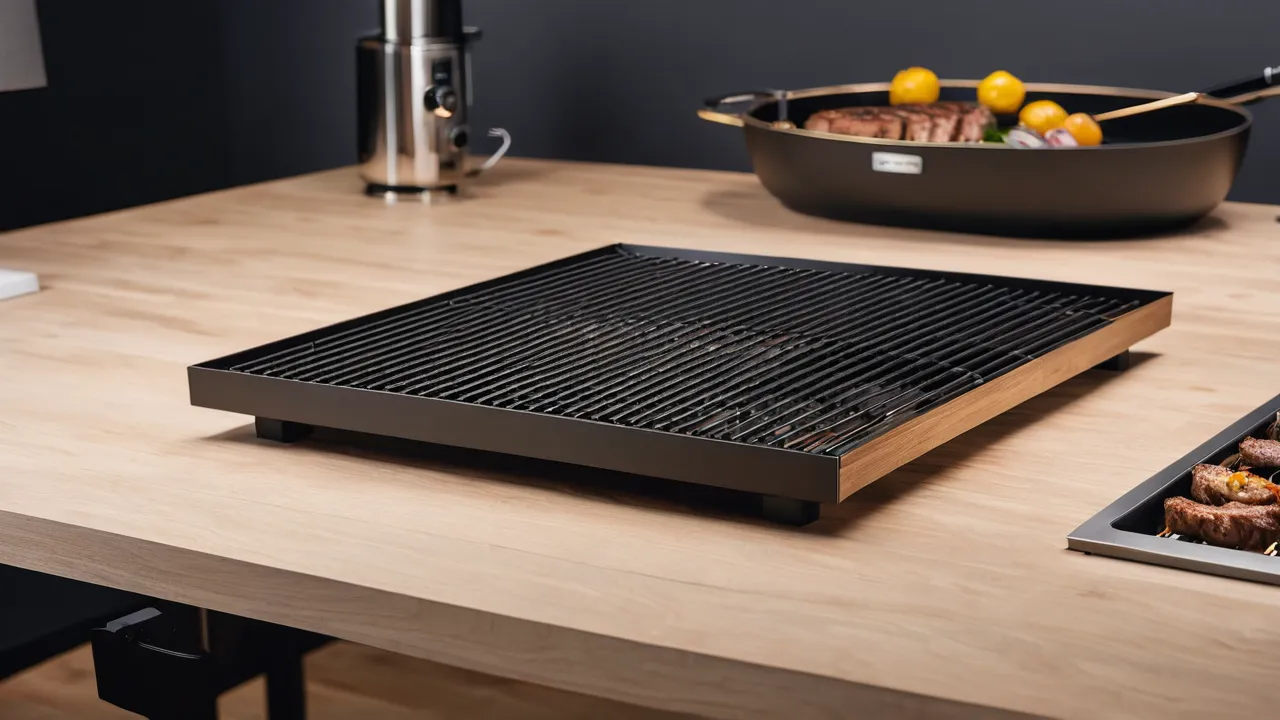
A built in grill is designed to drop into a masonry or frame island with a permanent gas line, while a freestanding grill sits on its own cart and can be moved or replaced. Built in suits a planned outdoor kitchen and long term use, and freestanding suits flexibility, renters and smaller budgets. Both must respect the clearances to combustible surfaces listed in the manual.
Safety first
Follow the manual for clearance to combustibles, which means anything that can burn, including wood, vinyl siding, fences, deck boards and overhangs. A built in grill needs an island built with noncombustible materials and sometimes an insulating jacket, and gas lines should be installed by a licensed professional following local code. Never use a grill under a low roof or in an enclosed space. Check for leaks before first use, keep children and pets away from hot surfaces and keep a fire extinguisher nearby.
What each type is
A freestanding grill has a cart with legs and wheels, side shelves and a cabinet or tank area. It arrives assembled or in a kit, and you roll it into place and connect a propane tank or a natural gas line with a quick connect. You can move it for cleaning or for the season, and you can sell or replace it without construction.
A built in grill, also called a drop in, has no cart. It is made to sit within a custom island, often with a countertop around it, and connects to a permanent gas line, and in some cases to power for lights or rotisserie. The grill body is designed to sit in a cutout, with trim that covers the gap. It is part of a larger kitchen: doors, drawers, a sink and a refrigerator can be added.
Planning a built in island
Planning is the main cost of a built in grill. Decide the location relative to the house, the dining area and utilities. Choose the island materials, such as concrete block with stucco, stone veneer or stainless steel framing, and be sure the interior framing is noncombustible near the grill. Plan the cutout size from the manufacturer’s template, plus the clearances stated for the sides and back. Add ventilation openings in the island enclosure if the manual requires them, since gas can collect in a closed cabinet. Plan counter space on both sides of the grill for prep and serving, and plan storage and lighting.
Think about utilities: a natural gas line or a propane supply, an electrical outlet protected as code requires for outdoor use, and water if you want a sink. Gas and electrical work belong to licensed professionals, and permits and inspections often apply. Ask the local building department what is required before you design.
Clearances to combustibles
Clearance rules protect the structure from heat. Manuals give minimum distances from the sides, back and top of the grill to combustible surfaces, and these differ between freestanding and built in models. A freestanding grill needs clearance on all sides, since the whole cart gets hot. A built in grill may allow zero clearance only if the island is noncombustible and the maker approves it, and often requires a specific insulating jacket for use in a combustible enclosure. Never assume a built in grill can sit in a wood frame without a jacket.
Overhead clearance matters, particularly under a pergola or a patio cover. Check the stated height to the ceiling and the type of cover, and think about vent hoods in covered kitchens. Keep the grill away from railings, doors, windows and hanging plants. If the manual and local code differ, follow the stricter one, and ask the local fire marshal if unsure.
Cost, flexibility and resale
Freestanding grills generally cost less and add no construction cost. They can move to a better spot, be stored for winter, be replaced when worn and go with you if you move. Built in grills cost more once the island, gas line and finishing are added, and they add a permanent feature that some buyers value. If the grill wears out, the cutout limits what can replace it, so choose a brand whose replacement parts and cutout sizes stay available over time. A built in is a commitment to a layout and a size.
Think about service access as well. A built in grill must still be reachable for cleaning and repair, so plan for removable panels and an access door.
Who should choose which
- Choose built in if you are building or renovating an outdoor kitchen, want a permanent look and gas line and will stay in the home for years.
- Choose freestanding if you rent, want to move or change layouts, have a smaller budget or want to avoid construction.
- Skip built in if you cannot get a gas line or permit, and skip freestanding if you want a seamless counter and storage.
See the grills and smokers category and the best grill roundup, and How We Review for how we weigh planning advice.
Fuel, utilities and hookups
Fuel choice shapes the plan. Natural gas gives an endless supply and lower running cost, but it needs a line run to the island by a licensed plumber or gas fitter, and the grill must be a natural gas model or be converted with the maker’s kit. Propane is flexible, and a built in grill can use a hidden tank in the island or a larger tank nearby, if the manual allows and the compartment is ventilated. Freestanding grills usually run on a propane tank hung on the cart, and some convert to natural gas with a kit and a quick connect line.
Mind the hose. Use only the hose and regulator that the maker lists. Keep hoses away from hot surfaces and grease, and check for wear. A shutoff valve near the grill lets you stop gas quickly in an emergency. Cooking ports, ignitors and lights may need a power supply, and electrical work belongs to a licensed electrician.
Materials and weather
A built in island lives outdoors year round, so materials must handle rain, sun and frost. Stucco over block needs proper sealing and flashing. Stainless steel doors and drawers resist rust, and grades differ in how they handle coastal air. Countertops of stone, concrete or tile must be rated for heat and sealed against moisture. Freestanding grills face the weather too but can be covered or moved. A fitted cover extends the life of either type. Pay attention to drainage so water does not pool in the island or under the grill.
Maintenance and replacement
Both types need the same cleaning and leak checks. A built in grill is harder to reach, so plan access panels and keep the area behind it clear. When a burner or a part fails, a built in grill is repaired in place, and replacing the whole grill may require modifying the cutout. A freestanding grill can be swapped for any model of similar size. Keep the model number and the cutout dimensions on file, and ask whether the maker commits to parts availability.
Questions to ask before you commit
- Which clearances does the manual require for a combustible enclosure or a noncombustible one?
- Is an insulating jacket required, and is it included?
- What fuel type does the model use and can it convert?
- What are the cutout dimensions and the rough in details?
- What do local code and the building department require for gas and electric work?
- How long will parts be available?
A Planning Sequence That Avoids Rework
Order matters, because a built in island is hard to change once the masonry is set. Follow this sequence and confirm each step in writing.
- Choose the grill model first, then download its manual and installation template. The cutout size and clearance rules come from that document, not from a generic plan.
- Mark the location and measure the distance to the house wall, railings, fences, overhangs and any wood deck boards.
- Ask the local building department which permits and inspections apply to gas lines, electrical outlets and any roof or cover above the grill.
- Hire licensed professionals for gas and electrical work, and give them the manual so they connect the grill as the maker specifies.
- Build the island with noncombustible materials, and add the insulating jacket if the manual calls for one in a combustible enclosure.
- Before first use, check every gas connection for leaks as the manual describes, and keep the manual with the grill.
Common Owner Regrets
- Buying the grill after the island. A cutout built for one model may not fit the replacement.
- Forgetting access. Without a removable panel, a burner or hose repair means taking apart part of the island.
- Skipping ventilation. A closed cabinet can trap gas, so follow the manual’s ventilation requirements.
- Placing a freestanding grill too close to siding or a railing. Radiant heat can warp vinyl and scorch wood even when flames never touch it.
Frequently Asked Questions
Can I use a freestanding grill in a built in island?
Not unless the maker says so. Freestanding grills have exterior surfaces that get hot and are not designed for enclosure in a cutout. Built in models include trim, insulation, and clearance data for islands. Check the manual, and never place a freestanding cart grill inside a wood or combustible enclosure.
How much clearance does a grill need from the house?
It depends on the model, so follow the manual’s stated distances to combustible surfaces such as siding, fences, and deck boards. Freestanding and built in grills have different requirements. If the manual and local code differ, follow the stricter one, and ask the local fire marshal if you are unsure.
Do built in grills need a licensed professional?
Gas lines and electrical work should be done by licensed professionals who follow local code, and permits and inspections often apply. Ask the local building department what your project requires before you design the island, and give the installer the manual for your specific model.
Is a built in grill harder to replace than a freestanding one?
Usually yes. A built in grill fits a specific cutout, so a replacement must match its dimensions or the island needs modification. A freestanding grill can be swapped for any similar size. Record the model number and cutout size, and ask whether the maker commits to parts availability.
Final Thoughts
Decide the kitchen before the grill. Built in grills reward planning with a clean look and durability, and freestanding grills reward flexibility. In either case, respect clearances, use licensed pros for gas and electricity and check the manual before you build.
Related buying guides
- Flat Top Griddle vs Grill: What Each Cooks Best
- Gas Grill Leak Check and Propane Safety Basics
- Gas vs Charcoal vs Pellet Grill: How to Choose
About the author

The BuyOnceChoice Editorial Team researches durable products worth buying once. Our guides compare published specifications, warranty terms, expert review consensus, and verified owner feedback. We do not conduct our own product trials. See How We Review and our Editorial Policy for our standards.