Surge Protector vs Power Conditioner for Home Theater
A surge protector limits voltage spikes. A conditioner adds filtering for noise. Neither replaces good outlet habits or covers every power problem.
 By BuyOnceChoice Editorial Team
Updated November 16, 2026
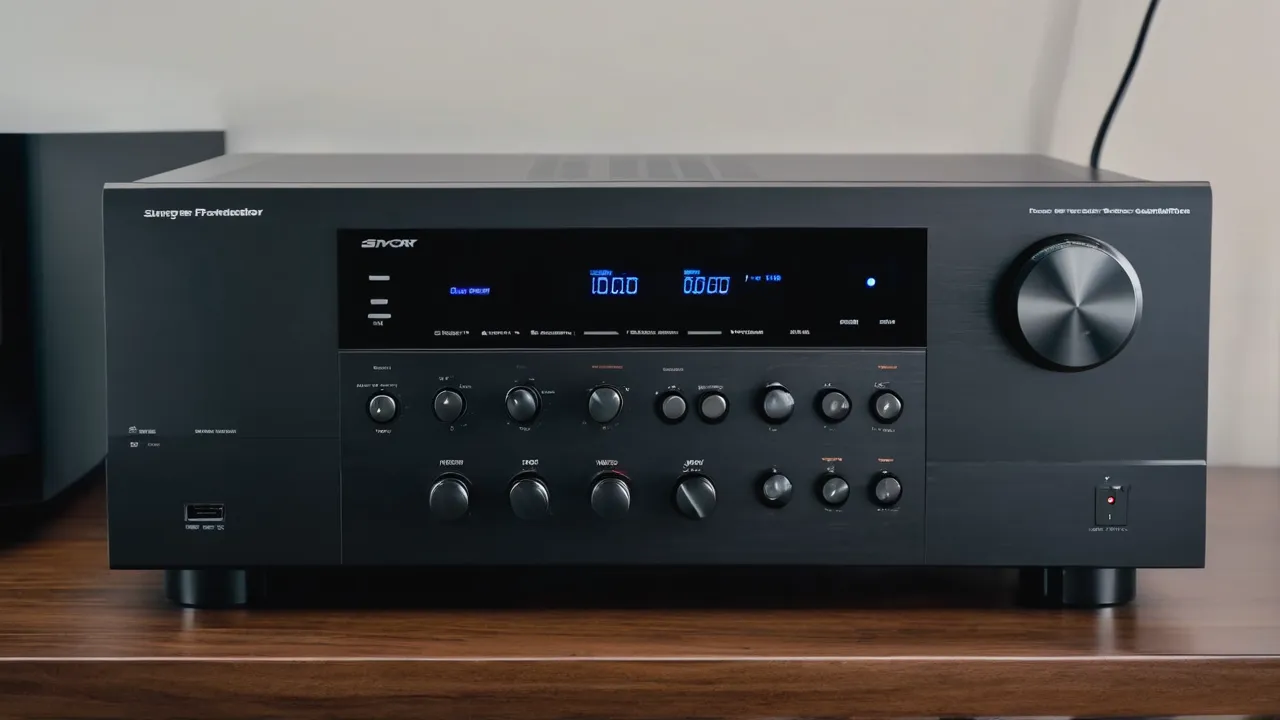
A surge protector limits short voltage spikes before they reach your equipment, while a power conditioner filters electrical noise and may also regulate voltage. For most home theaters, a quality surge protector with a safety listing is enough. A conditioner adds value only when you have a specific noise problem or power quality issue.
Safety first
Never daisy chain power strips. Plugging one strip into another, or into an extension cord, can overload the circuit and create a fire risk, and it can defeat the protection built into the strip. Use rated devices, follow the manuals for each product, and plug the strip directly into a wall outlet.
Check that the strip carries a recognized safety listing, such as UL 1449 for surge protective devices, on the label. Do not cover a strip with fabric, and do not run cords under rugs where heat can build up. If a strip feels hot, smells of burning or shows damage, unplug it and replace it. For wiring problems, outlet faults or a need for additional circuits, hire a licensed electrician.
What a surge protector does
A surge protector contains components that divert excess voltage to ground when the line voltage rises above a threshold. This protects against short spikes from switching events, nearby appliances and some utility faults. The label lists several ratings.
- Joules: the amount of energy the device can absorb before it wears out. A higher number means more capacity over its life.
- Voltage protection rating: the level of voltage that passes through during a surge, listed under the safety standard. A lower number means better limiting.
- Response time: how fast it reacts, though most listed devices are fast enough for home use.
- Outlet count and spacing: whether large plugs fit and whether there are enough outlets.
- Indicator lights: a protected light that tells you whether the protection is still active.
Surge protectors wear out. Each surge uses up part of their capacity, and the protection circuit can fail while the strip still passes power. Look for a protection indicator, and replace the strip after a major surge or after several years, as the maker advises.
What a power conditioner does
A power conditioner is a strip or a rack unit that includes surge protection plus filtering of electrical noise. It may isolate groups of outlets from each other, so a noisy device does not affect a sensitive one. Some higher end models also regulate voltage or provide balanced power. Features and benefits vary widely by model.
The filtering can reduce hum or buzz in certain setups, and can reduce noise from dimmers and appliances sharing a circuit. The effect depends on the equipment and the wiring. Modern equipment often has good internal filtering, which lowers the benefit. A conditioner that has a current limit may also restrict power to a large amplifier, so check the rating and the manual before you plug in power hungry equipment.
What neither does
Neither device guarantees protection against a direct lightning strike, since the energy involved can exceed any home device. Neither keeps your equipment running during a power outage. Neither fixes poor wiring or a missing ground, and neither replaces unplugging equipment during a severe storm when you are away.
A surge protector does not improve sound or picture. A conditioner may reduce noise in some systems, though many owners find no change. Be skeptical of claims that a conditioner dramatically improves audio, and check what the maker states in the specifications.
Reading the packaging
Packaging often emphasizes big numbers. Read the specific rating lines instead.
| Item on the box | What to check |
|---|---|
| Joule rating | Higher means more capacity, compare within the same type of device |
| Safety listing | Look for the listing mark and standard, such as UL 1449 |
| Voltage protection rating | Lower is better, found on the label |
| Connected equipment warranty | Read the conditions, which often require registration and proof |
| Filtering claims | Look for a stated spec, not just words like clean power |
| Current rating | Make sure it exceeds the total draw of your equipment |
If a page gives no listing or rating, treat the product with caution.
Placement and habits
Plug the strip directly into a wall outlet, and keep it where air can move around it. Group the video equipment and audio equipment on the strip as the manual allows. Many makers advise plugging high current devices, such as large amplifiers, directly into the wall or into a unit rated for them. Check each device manual for its advice.
Protect all the ways a surge can enter. Power is one path, and coaxial cable, ethernet and phone lines are others. Use a strip with protected coax and network ports if a surge can travel through those lines, and route them through the protector.
Receivers and ventilation
Receivers need space to cool. Do not let a power strip lie under or against a receiver’s vents. Keep the strip off the top of hot equipment, and keep cables from blocking airflow. Our AV receivers category lists models and their ventilation needs.
When a conditioner is worth considering
- You hear a hum or buzz that comes from noise on the line and not from a ground loop.
- Your home has frequent voltage swings, confirmed by an electrician or a utility.
- You have sensitive audio equipment and a maker who recommends conditioning.
- You want isolated outlets for digital and analog gear in a rack.
When a surge protector is enough
For a typical TV, receiver, console and streaming box, a good listed surge protector covers the main risk. If your equipment runs quietly with no hum, adding a conditioner offers little. Spend the money on better speakers or a replacement strip every few years.
Who should choose what
Choose a surge protector for ordinary systems, and consider a conditioner for rack systems, noisy circuits or sensitive analog gear. Read the specifications and follow the manuals. Compare equipment in our home theater speakers category, and see our How We Review page for the way we weigh claims.
Uninterruptible power supplies, in brief
An uninterruptible power supply holds a battery that keeps equipment running for a short time during an outage. It is useful for computers and network gear, and less common for audio equipment. Large amplifiers draw too much power for small units, so check the rating before you connect them.
Warranty claims and equipment protection
Some strips advertise coverage for connected equipment. Conditions can be strict, with registration, proof of purchase and exclusions for lightning. Read the terms before you rely on them. Keep receipts and photographs of your setup.
Signal lines and other entry points
Surges can enter through antenna and cable lines, and through network cabling. Use a protector that covers those lines where the equipment connects, and keep ground connections on the cable service intact. For ground questions, call the cable provider or a licensed electrician.
Checking your outlets
Plug an outlet tester in to confirm that outlets are grounded and wired correctly. If the tester shows a fault, call a licensed electrician. A surge protector needs a good ground to work, and a faulty outlet can defeat it.
A simple buying checklist
Count the equipment you plan to plug in and add the current draw from each device label, so that the strip’s rating exceeds the total. Check the safety listing and the protection indicator. Look at the cord length and the outlet spacing, because large power adapters block neighbors. Decide whether you need coax and network protection. Then read the warranty terms and the return policy. If a conditioner interests you, ask what it filters and whether it limits current. Making the list takes a few minutes and avoids buying a strip that cannot hold your gear.
A worked example
Imagine a living room with a TV, an AV receiver, a game console, a streaming box and a subwoofer. The receiver and subwoofer draw the most power, and the rest are light. A single listed surge protector with enough outlets and a protected coax line handles the setup. The household plugs it directly into the wall, keeps the receiver’s vents clear and checks the indicator light each season. If a hum appears later, they check the cable routing and grounding before they spend money on a conditioner. This plan is simple, safe and sufficient for the equipment.
Frequently Asked Questions
Do I need a power conditioner for a home theater?
Usually not. A listed surge protector covers the main risk for most systems. A conditioner helps only when you have a specific noise problem or sensitive equipment, and benefits vary. Check the equipment manuals and consider an electrician if you suspect line problems.
Can I plug a surge protector into another power strip?
No. Daisy chaining strips can overload the circuit and defeat protection, which creates a fire risk. Plug the strip directly into a wall outlet, and use one with enough outlets. If you need more outlets, ask an electrician about adding them.
How long does a surge protector last?
It depends on the surges it has absorbed, and makers give no single figure. The protection wears out over time, so check the indicator light and replace the strip after a big surge or when the maker advises. Replace any strip that is hot, damaged or lacks a working indicator.
Does a surge protector improve sound quality?
No. Its job is protection, not sound or picture. A conditioner may reduce noise in some systems, though many owners hear no difference. If you hear hum, check grounding and cable routing first, then consider a conditioner and read what the maker states.
Final Thoughts
Use a listed surge protector as the default, plug it directly into the wall and never daisy chain strips. Add a conditioner only for a real noise or power problem, and read the ratings instead of the marketing. Replace worn strips, and call a licensed electrician for wiring concerns.
Related buying guides
- Virtual Atmos Without Height Speakers Explained
- How Many Watts Per Channel Do You Need?
- 5.1.2 vs 7.1.4 Atmos: How Many Speakers You Need
About the author

The BuyOnceChoice Editorial Team researches durable products worth buying once. Our guides compare published specifications, warranty terms, expert review consensus, and verified owner feedback. We do not conduct our own product trials. See How We Review and our Editorial Policy for our standards.