Receiver vs Separates: Do You Need a Preamp and Amp?
A receiver bundles everything and costs less. Separates let you upgrade parts independently but add boxes, cables and cost. Most homes do well with a receiver.
 By BuyOnceChoice Editorial Team
Updated November 16, 2026
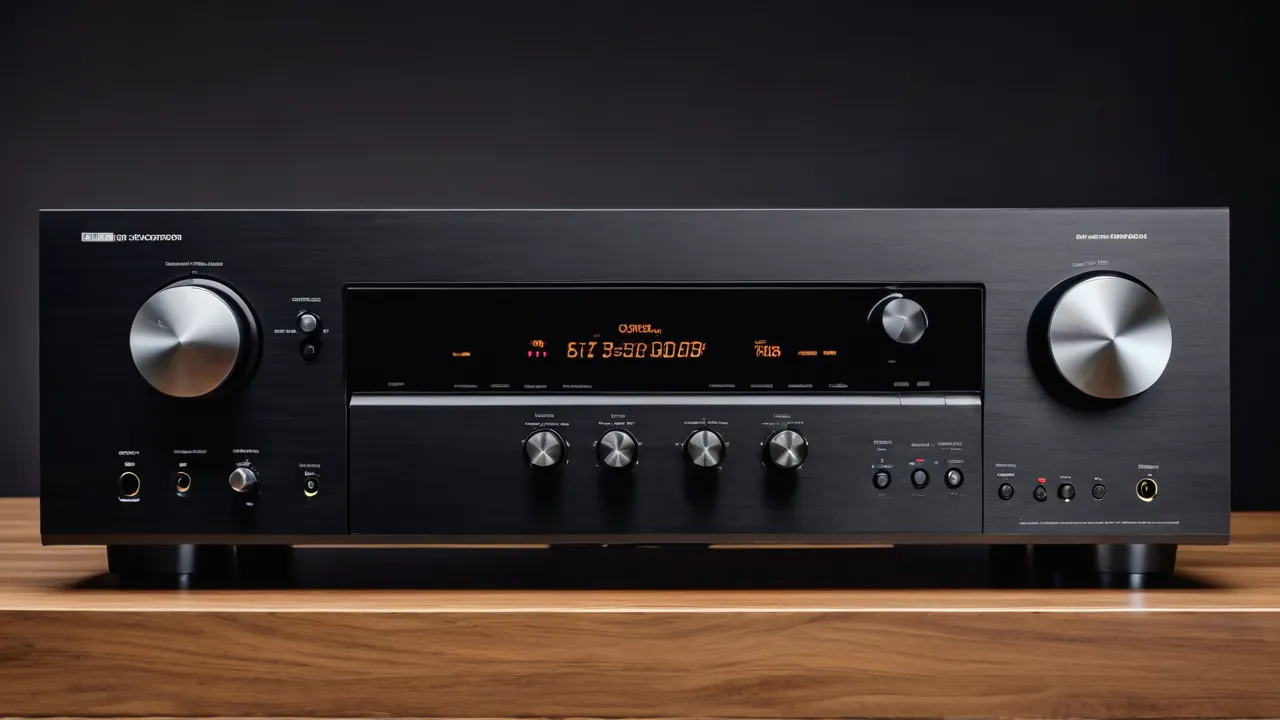
For most home theaters, an AV receiver is the better choice because it is one box, one set of cables and a lower total cost. Separates, meaning a processor or preamp plus one or more power amplifiers, make sense when you want to upgrade parts independently, need a large number of channels, or drive very demanding speakers. Most buyers should skip separates unless one of those conditions applies.
What each setup is
An AV receiver combines the preamp and processor, which handle inputs, switching and decoding, with the power amplifiers that drive the speakers, plus a tuner and network features. One chassis does everything.
A separates system splits those jobs. An AV processor or preamp handles inputs, video switching, decoding and room correction, and sends line level signals out through pre outs. One or more power amplifiers receive those signals and drive the speakers. Our guide on pre outs explains the connection, and a receiver with full pre outs can act as a halfway step.
Cost
Separates cost more in total, because you pay for two or more chassis, two power supplies, extra cabling and extra shelf space. A receiver’s integrated design saves money. Compare complete systems with the same number of channels and the same features, and note that the price of a processor alone may approach that of a good receiver. Do not compare a receiver to an amplifier alone.
To compare costs fairly, list every item for both options. For a receiver, that is the unit, speaker cable, and a shelf. For separates, it is the processor, one or more amplifiers, interconnect cables between them, extra power conditioning if you want it, and a rack or wider shelf. Price both lists with the same channel count and the same features, and remember that a processor lacking built-in amplification is not a cheaper receiver, since you still need the amplifiers.
Failure points and repair
A receiver has everything in one box, so a failure in any section can take the whole unit offline. A separates system spreads the risk. If an amplifier fails, the processor continues, and you can swap the amplifier alone. Conversely, a failing processor can be replaced without replacing the amplifiers, which is useful because video standards change faster than amplifier technology. The flexibility is real, and our article on repairing or replacing a receiver explains why that matters.
Separates also have more cables and more power cords, and thus more places where a connection can fail or hum can appear.
Upgrade flexibility
This is the main argument for separates. HDMI features, room correction and streaming change often, while power amplifiers can last many years. With separates, you can replace the processor when new standards arrive and keep your amplifiers. With a receiver, you replace the amplifier along with the processor, including a power supply and output stages that may still be in perfect condition.
If you plan to keep a system for many years and expect to upgrade processing, separates may pay off. If you replace your gear rarely, the savings of a receiver can matter more. Our buy once approach favors whichever lasts longest for your habits.
Processing, video and the pace of change
Video standards and audio formats change faster than amplifiers do. HDMI revisions, new surround formats and streaming features arrive every few years, and each may require new hardware inside the processor. Amplifier technology moves more slowly. That mismatch is the core of the case for separates, because replacing the processor alone costs less than replacing a full receiver with a good power section.
The counterpoint is that a good mid range receiver costs relatively little to replace, and its amplifier section is not a large share of the price. If you intend to replace the unit every few years anyway, you may not benefit from separates. If you want a system that you can keep for a decade with only a processor swap, separates may make sense.
Resale and the used market
Receivers lose value steadily, and older models sell for little. Good power amplifiers often hold their value better, because their technology changes slowly and buyers can use them with other processors. If resale matters to you, think about which pieces keep value. A processor ages the way a receiver does, but an amplifier may remain in demand. That difference is another argument for separates among people who change gear often.
Power and heat
Receivers with many channels share a power supply and can run hot when all channels are in use. Separates can use dedicated amplifiers with larger power supplies and better cooling, which can handle demanding speakers more comfortably. Check the details on all channels driven ratings, as in our article on power ratings, and note that receivers vary in how well they handle heat, covered in our ventilation guide.
Space and setup
Separates take more space, more outlets and more wiring. You need a rack or shelves, ventilation, and a plan for cable management. Receivers are simple to place and connect. If you want a clean look in a living room, a receiver fits better.
Sound quality
Well made receivers sound very good, and well made separates may sound better in certain systems, especially with demanding speakers and at high volume. The difference depends on the products, not on the category. Avoid claims that separates always sound better, since many are made by sellers of high priced gear. Compare actual equipment and listen if you can.
A middle path
A receiver with pre outs lets you add a power amplifier later for the front speakers or for all channels. That covers many of the upgrade benefits of separates at a lower initial cost. If you think you may want separates one day, buy a receiver with full pre outs.
Room correction and connection planning
With separates, room correction lives in the processor. Plan for how the processor connects to the amplifiers. Balanced connections can help in long cable runs, and unbalanced RCA cables work for short ones. Check that the processor has pre outs for all of the channels you need, and that the amplifier has the right inputs. Gain staging, meaning how loud each box expects its input, needs care. Follow the manuals and set levels so the system is quiet at idle and does not clip.
Standby power, remotes and daily use
A system with several boxes has several power switches. Some amplifiers have trigger inputs so that they turn on and off with the processor, and some stay on all the time. Think about how your household will use the system. If someone else needs to turn it on, a single receiver is far simpler. Remote control setups can be programmed to run several devices, though it takes effort.
Verdict by Buyer Type
Who should choose which
- Most households: an AV receiver.
- Owners of demanding speakers or large rooms: a receiver with pre outs and an external amplifier, or separates.
- Enthusiasts who upgrade often: separates.
- Renters and small spaces: a receiver.
- Dedicated theater builders with many channels: separates are worth a look.
Who should skip separates
- Buyers on a budget.
- Buyers with little shelf space.
- Buyers who dislike complex wiring.
- Buyers with efficient speakers and a modest room.
See our AV receivers section and the best AV receiver roundup for receiver options.
A practical check of whether you want separates
Ask yourself these questions. Do you already own a pair of demanding speakers? Are you comfortable with a rack and several cables? Do you enjoy tinkering with equipment? Have you already hit the limit of what a receiver with pre outs can do? If most answers are no, a receiver remains the sensible choice. If most are yes, separates become more attractive. Our guide on pre outs describes the halfway option for those in between.
Frequently Asked Questions
Is an AV receiver good enough for home theater?
For most households, yes. A receiver costs less in total, takes one shelf, and needs fewer cables. Separates pay off when you want to upgrade parts independently, need many channels, or drive very demanding speakers. Check the receiver’s pre outs if you may add an amplifier later.
Do separates sound better than an AV receiver?
Not automatically. Well made receivers sound very good, and separates can have an edge with demanding speakers at high volume. The difference depends on the products, not the category. Be wary of claims that separates always sound better, and compare actual equipment where you can.
What is the cheapest way to move toward separates?
Buy a receiver with full pre outs for all channels. You can add a power amplifier for the front speakers, or for every channel, later, which captures much of the upgrade benefit at lower initial cost. Confirm in the manual which channels have pre outs.
When does an AV processor make more sense than a receiver?
When you need many channels, expect to replace processing every few years while keeping amplifiers, or drive speakers that need more power than a receiver supplies. If you want a simple setup in a living room, one chassis is the better fit.
Final Thoughts
Receivers win on cost, simplicity and size, and separates win on flexibility and headroom. Unless you have a clear reason for the second, buy a good receiver and put the savings into speakers and room setup. For how we weigh claims on both sides, see How We Review.
Related buying guides
- Bi-Wiring vs Bi-Amping Speakers: Is It Worth It?
- Do You Need Dolby Atmos? Decision Rules
- DTS:X vs Dolby Atmos: What Matters for Your Receiver
About the author

The BuyOnceChoice Editorial Team researches durable products worth buying once. Our guides compare published specifications, warranty terms, expert review consensus, and verified owner feedback. We do not conduct our own product trials. See How We Review and our Editorial Policy for our standards.