Do You Need Special Cookware for Induction
Induction cookware compatibility explained, including the magnet check, which materials work, pan base size, and common problems like noise and poor heating.
 By BuyOnceChoice Editorial Team
Updated November 16, 2026
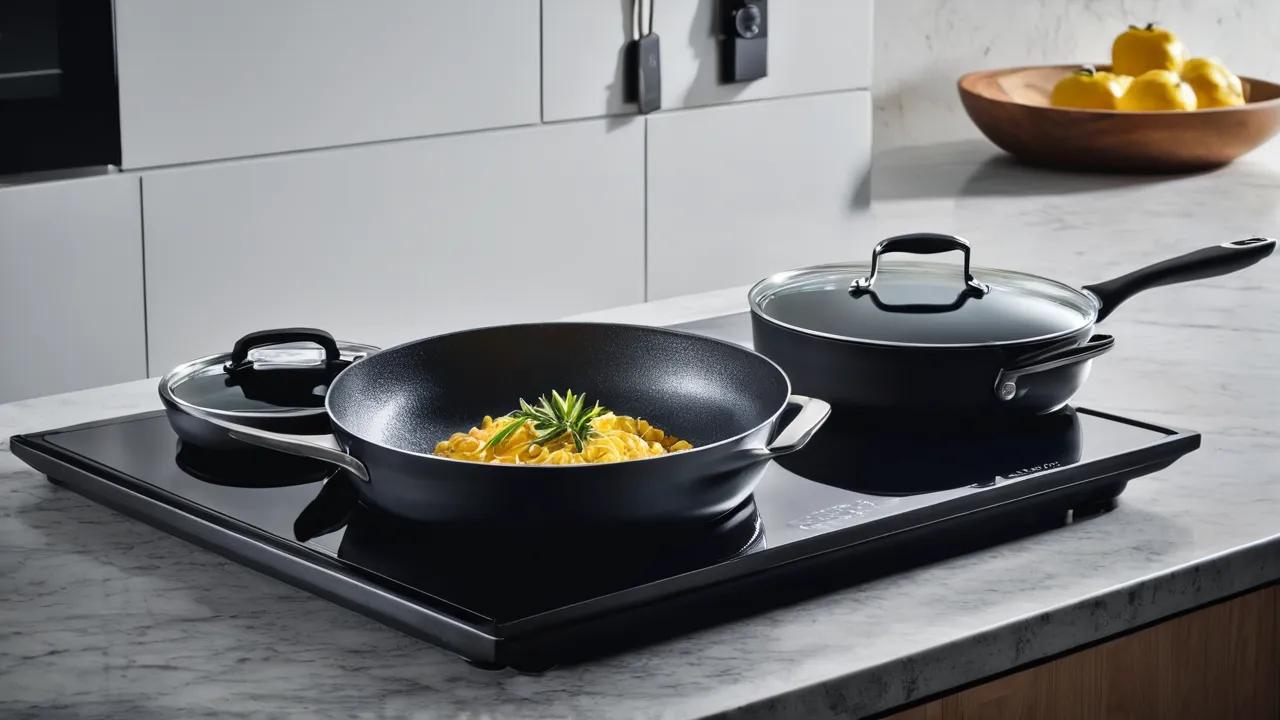
Induction cookware compatibility comes down to a magnetic base. Induction cooktops heat pans by creating a magnetic field, so the pan must contain iron-based material. A magnet that sticks firmly to the bottom is the usual sign. Base size and a flat bottom also matter, and some pans need to be replaced or supplemented with an interface disk.
How Induction Heats a Pan
An induction cooktop has a coil under the glass surface. When it runs, it creates a changing magnetic field. A pan with a ferromagnetic base, such as cast iron or magnetic stainless steel, responds by generating heat in the pan itself. The glass stays cool, apart from heat that transfers back from the hot pan. This is why induction is fast and responsive, and why the pan material matters more than on gas or electric radiant cooktops.
If the pan is not magnetic, the field has nothing to act on, and the cooktop will not heat, will not detect the pan, or will flash an error. A pan that is only partly magnetic may heat unevenly.
The Magnet Check
The simplest way to check is with a household magnet, such as a refrigerator magnet. Hold the magnet against the bottom of the pan. If it sticks firmly, the pan is likely to work. If it sticks weakly or slides off, the pan may work poorly or not at all. Check several spots, since some pans have a magnetic disk in the center and non-magnetic rim.
Many cookware makers also label compatible pans with an induction symbol, often a coil icon on the base or the packaging. Check the product page for the words “induction compatible” and read how the base is built. A magnet check is a handy quick method, but the label and the construction details give more information.
Materials That Work
Cast iron
Cast iron is strongly magnetic and works very well on induction. Enameled cast iron also works. Take care with rough bottoms, which can scratch glass, so lift pans and do not slide them.
Carbon steel
Carbon steel is magnetic and heats quickly. It works well and is popular for woks and skillets, though round-bottom woks need a flat base to make contact.
Magnetic stainless steel
Many stainless steel pans work, but only if the steel is a magnetic grade, or if the pan has a magnetic layer or disk in the base. Multi-ply stainless pans with an aluminum core often include a magnetic outer layer, which makes them induction compatible.
Enameled steel
Enameled steel, such as many stockpots and canning pots, is usually magnetic and works.
Materials That Do Not Work on Their Own
- Aluminum cookware, unless it has a magnetic base.
- Copper cookware, unless it has a magnetic layer.
- Glass and ceramic.
- Some stainless steel grades that are not magnetic.
- Pans with a non-magnetic bottom, even if the sides are magnetic.
If you love a non-magnetic pan, a metal interface disk placed between the pan and the cooktop can transfer heat, but efficiency and control suffer, and the disk gets hot. Check that the disk is rated for your cooktop, and follow its instructions. For long-term use, buying induction-compatible pans is usually better.
Base Size and Shape
Compatibility depends on size as well as material. Induction coils have a diameter, and a pan base should be at least about as large as the coil for even heating. A very small pan on a large element may not be detected, or may heat only in the center. Most cooktops list minimum pan sizes in the manual, and many recommend a pan base at least a few inches across. A pan larger than the element will heat in the center first, and the sides depend on the pan’s conduction.
The bottom should be flat. A warped pan rocks and makes poor contact, which causes uneven heating and buzzing. A slightly concave base can improve contact when hot, but a bulging base spins and heats unevenly. Check pans for flatness by laying a ruler across the bottom.
To check the base size, measure across the flat bottom of the pan, not the rim, and compare it with the ring or circle printed on the glass. If the base is clearly smaller than the ring, the cooktop may not detect it or may heat only the center. Many manuals state a minimum base diameter, so look that up before you buy small saucepans or a small milk pan.
Noise, Humming, and Other Quirks
Induction can make sounds. A low hum at high power is normal, as are clicks as the power cycles at low settings. Buzzing may come from layered pans whose plies vibrate, or from lightweight pans. Fan noise is the cooling fan under the cooktop. If noise bothers you, try a different pan or a lower power level. These sounds are usually harmless, but a loud rattle may mean a loose pan lid or a problem with the cooktop.
Hot pans can retain heat after you remove them, and glass tops can scratch. Lift pans instead of sliding them, and keep the glass clean.
Cookware Checklist and Replacement Plan
- Check each pan for a magnetic base with a magnet.
- Look for the induction symbol.
- Measure base diameters against the cooktop’s element sizes.
- Check that bottoms are flat.
- Replace pans that fail, or plan a mixed set.
- Do not buy a full cookware set labeled “induction ready” without reading the details.
Our range and wall oven guides explain induction cooktops, and the How We Review page covers how we treat compatibility claims.
Cooking Habits That Help on Induction
Induction rewards a few habits. Preheat pans gently, since the pan itself heats very quickly, and an empty nonstick pan can overheat in moments. Use a lower power level than you would on gas for the same result, and adjust in small steps. Match the pan to the element size so that heat spreads evenly. Use lids to hold heat when simmering, and keep handles clear of the hot zone. If your cooktop has a boost or power function, use it for boiling water, and then return to a lower setting.
Because the glass stays cooler than the pan, spills can still burn on if the pan is very hot. Wipe spills when the surface is warm but not hot, and use a cleaner meant for glass cooktops. Avoid sliding rough cast iron bottoms across the glass, and lift pans instead.
Safety Notes
Induction fields can affect pacemakers and some implanted devices in rare cases. People with such devices should ask their doctor and read the maker’s guidance, and keep a safe distance as advised. Do not place metal utensils, foil, or cans on a running cooktop, since they can heat quickly. Keep credit cards and similar items away from the cooking area. This is general guidance, not medical advice.
Replacing Pans Without Overspending
If your pans are not compatible, you do not have to replace everything at once. Start with the pans you use daily, such as a skillet, a saucepan, and a stockpot, and choose induction-compatible versions. Look for sturdy, flat-bottomed pans with a magnetic base and a thick core for even heating. Check the care instructions, since some are dishwasher safe and some are not. Keep your old non-magnetic pieces for oven use or for a portable gas or electric burner, and use interface disks sparingly.
Cast iron pieces you may already own are among the best induction pans, and many households find they have more compatible cookware than they thought. Run a magnet along the bottom of every pot in the cabinet before you decide. A short check can save you from buying a whole new set.
Decision Rules
- Mostly cast iron, carbon steel, and multi-ply stainless: you are likely ready for induction.
- Mostly aluminum or copper: plan to replace key pans, or accept interface disks for a few.
- A few non-magnetic favorites: keep them for the oven or a second heat source.
- Small pans for sauces: check the minimum pan size for the element.
- Buying a new set: choose a set labeled induction compatible and verify with a magnet.
See also the home appliances hub for related guides.
Keep the magnet in the kitchen drawer for the first few weeks. When you buy a new pan, check the base in the store or as soon as it arrives, so that returns are easy if it fails.
Frequently Asked Questions
How can I tell if my cookware works on induction?
Hold a household magnet against the bottom of the pan. If it sticks firmly, the pan will likely work. Also look for the induction symbol on the base or packaging, and check the product page for the words induction compatible. Check several spots, since some pans have a magnetic disk only in the center.
Does stainless steel work on induction?
Many stainless pans work, but only if the steel is a magnetic grade or the pan has a magnetic layer or disk in the base. Multi-ply stainless pans with an aluminum core often include a magnetic outer layer. Use the magnet check, because some stainless grades are not magnetic and will not heat.
Can I use an interface disk for non-magnetic pans?
Yes, a metal interface disk can transfer heat, but efficiency and control suffer and the disk gets hot. Check that the disk is rated for your cooktop and follow its instructions. For long-term use, buying induction-compatible pans is usually the better choice, and a mixed set is a sensible compromise.
Why is my induction cooktop buzzing?
Some humming at high power and clicking at low settings is normal. Buzzing can come from layered pans whose plies vibrate, from lightweight pans or from a pan base that is warped. Try a different pan or a lower power level, and check the bottom for flatness with a ruler.
Final Thoughts: Check the Base, Not the Label Alone
For induction, a magnet that sticks to a flat, adequately sized base is the quick check. Cast iron, carbon steel, and magnetic stainless work, while aluminum and copper need a magnetic layer. Check your pans before the new cooktop arrives.
Related buying guides
- Single vs Double Wall Ovens: Fit and Cost
- Cooktop vs Range: Which Layout Suits Your Kitchen
- Dual Fuel vs Gas Ranges: Is the Upgrade Worth It
About the author

The BuyOnceChoice Editorial Team researches durable products worth buying once. Our guides compare published specifications, warranty terms, expert review consensus, and verified owner feedback. We do not conduct our own product trials. See How We Review and our Editorial Policy for our standards.