Cooktop vs Range: Which Layout Suits Your Kitchen
Cooktop vs range compared on cost, layout, installation, ergonomics, and resale, with a clear verdict for each kitchen and buyer.
 By BuyOnceChoice Editorial Team
Updated November 16, 2026
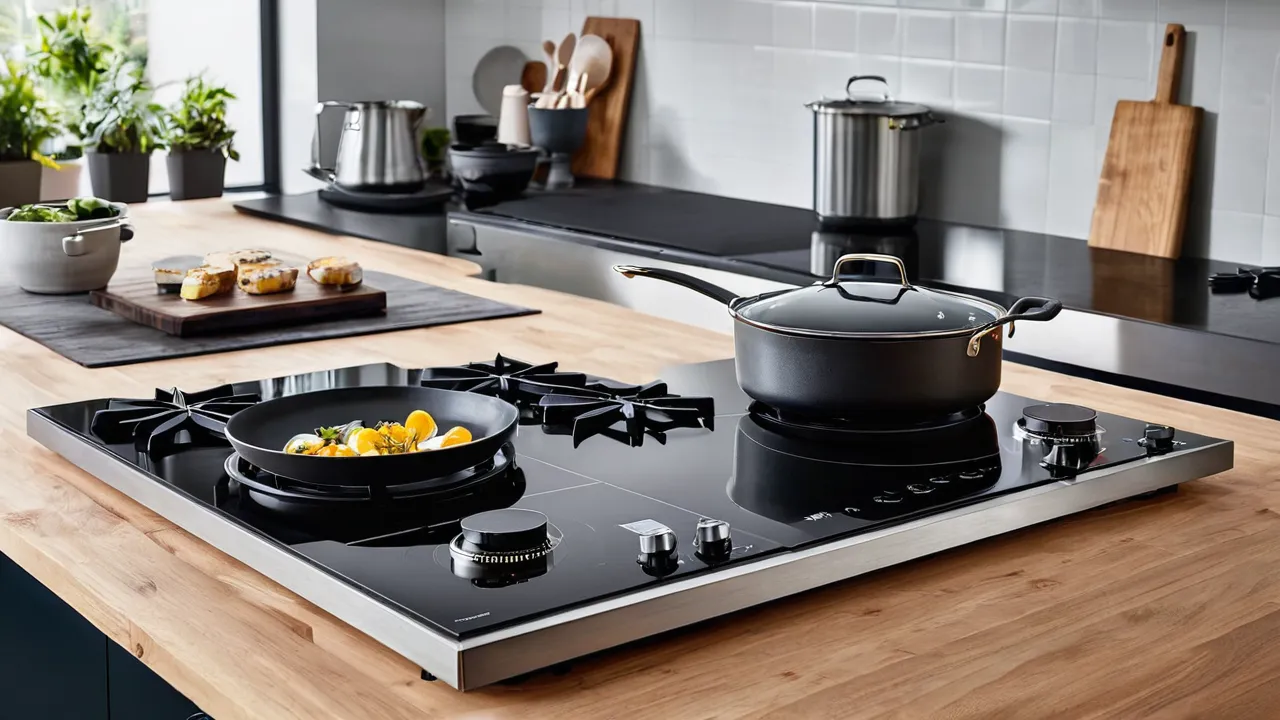
Cooktop vs range: choose a range if you want the simplest, most economical setup, with the oven and burners in one unit that slides into a standard opening. Choose a separate cooktop and wall oven if you want flexible placement, ergonomic oven height, or a custom layout and are willing to pay more and do cabinetry work. A range suits most kitchens, and a cooktop suits remodels with design goals.
What Each Layout Is
A range, sometimes called a stove, combines a cooktop and an oven in a single appliance. Freestanding ranges have finished sides and often a back control panel, and slide-in ranges sit flush with the counter with controls on the front. Most are 30 inches wide, and other widths exist.
A cooktop is a flat set of burners that drops into a countertop cutout, with no oven underneath. It is paired with a wall oven, which is installed in a tall cabinet, or with a separate oven elsewhere. The cooktop and oven can be placed in different areas of the kitchen.
Both layouts cook the same food. The differences lie in cost, space, installation, ergonomics, and design.
Cost and Installation
A range is usually the less costly route. You buy one appliance, install it in one opening, and connect a single gas line or electrical circuit. A separate cooktop and wall oven means two appliances, two cutouts, and often two connections, and the cabinetry may need modification.
Installation requires attention to safety.
- Gas appliances need a gas supply line with a shutoff valve, correct pressure, and ventilation. Gas connections should be made by a licensed professional, and a gas smell means turning off the supply and calling the utility or emergency services.
- Electric ranges and ovens usually need a 240 volt circuit with the amperage the manual states, often 40 or 50 amps for a range, and a proper outlet or hardwired connection. A licensed electrician should confirm the circuit and wiring.
- A range needs an anti-tip bracket, which keeps it from tipping if a heavy load is placed on the open door. Install it as the manual states.
- Follow clearance requirements for walls, cabinets, and the hood, as the manual lists. Combustible surfaces near burners can be a fire hazard.
- Check the ventilation. A range hood or downdraft system should vent as the maker and local code require.
Space and Layout
| Factor | Range | Cooktop plus wall oven |
|---|---|---|
| Footprint | One opening | Two openings |
| Cabinet changes | Usually minimal | Often needed |
| Oven height | Low | Eye level or chest height possible |
| Counter space | Burners take counter space | Cooktop on counter, oven in tall cabinet |
| Layout flexibility | Limited | High, in an island or separate zones |
| Cost | Lower | Higher |
| Double ovens | Some ranges | Easy with wall ovens |
| Replacement | Simple swap | May require matching cutouts |
A range fits into a standard 30 inch opening. A cooktop cutout depends on the model, so check the cutout dimensions and the depth below the counter, including space for burner boxes or gas lines. Wall ovens fit in specific cabinet sizes, commonly 24, 27, or 30 inches, so check the dimensions.
Ergonomics and Cooking Style
A wall oven sits at a comfortable height, so you do not need to bend to lift heavy trays and turkeys. People with back or knee problems often like this. A range has the oven at floor level, which is a stretch for some. On the other hand, a cooktop separate from the oven lets two cooks work at the same time, one at the burners and one at the oven.
If you bake and roast often, a wall oven with a convenient height and a larger interior may be a priority. If you do most of your cooking on the stovetop, a high-quality cooktop with the burners you want matters more. Think about how you use each.
Fuel Types and Cooktop Choices
Cooktops come in gas, electric radiant, and induction. Ranges come in gas, electric, induction, and dual fuel with a gas cooktop and an electric oven.
- Gas: visible flame and fast response, and needs a gas line and ventilation.
- Electric radiant: smooth glass top and easy to clean, slower to respond.
- Induction: fast, efficient, and precise, but it needs magnetic cookware, and it needs a suitable circuit. Check our guide to cookware for induction.
- Dual fuel: gas burners with an electric oven, requiring both connections.
Check what your home already has. Converting from electric to gas, or the reverse, can require major work, including new lines or circuits, which a licensed professional must handle.
Ventilation and Clearances
Cooking releases heat, moisture, grease, and combustion byproducts, so ventilation matters for both layouts. A hood above a range or cooktop captures fumes and should vent outdoors if possible, because recirculating hoods filter grease and odors but do not remove moisture or gases. Check the hood’s stated airflow and the minimum and maximum height above the cooking surface in the manual. A cooktop in an island may need a downdraft vent or an island hood, which involves ducting and sometimes a new opening through the floor or ceiling. Gas appliances produce combustion gases, so good ventilation is especially important, and many health agencies suggest running the hood whenever you cook.
Clearances to cabinets and walls are specified in each appliance’s manual. Follow them. A cooktop needs clear space below the cutout, and some models need a barrier or a minimum distance from a drawer or a cabinet. A wall oven needs ventilation behind it and a stable shelf. If you are changing the layout, ask a licensed contractor and your local building department about requirements for venting, gas, electrical work, and permits.
Cleaning and Daily Use Differences
A range has a gap between the cooktop and the oven door, and spills can run down the sides unless the unit is a slide-in model with a seamless fit to the counter. A cooktop set into the counter has a clean line, and spills are easy to wipe from the counter. Wall ovens are easy to clean at standing height. Smooth electric and induction tops wipe clean quickly, and gas grates and burners need more disassembly. Check the cleaning guidance in the manual, especially the self-clean cycle, which runs very hot and should be used only as the manual directs, with ventilation, and with pets and birds kept out of the kitchen.
Resale and Future Flexibility
A range is standard and easy to replace, so it leaves your options open if you sell or change. A custom layout can add appeal, but it also raises the cost of a future replacement, since cutouts and cabinets may not match new models. If you plan to stay for many years and want the layout, the added flexibility may be worth it. If you may move soon, a simple range keeps the kitchen easy to sell.
Which Should You Choose?
1. Standard kitchen, existing opening, limited budget: range. 2. Remodel with a new layout or an island: cooktop and wall oven. 3. Cook with back or knee problems: wall oven. 4. Two cooks who work together: cooktop and wall oven. 5. Want a simple replacement of an old stove: range. 6. Small kitchen: range. 7. Want a large oven or double ovens at a good height: wall ovens. 8. Rental or temporary home: range, if you own the appliance.
Our range and wall oven guides explain sizes, fuel, and features. For related products, see the home appliances hub. Our How We Review page explains how we evaluate products using research and specifications rather than claims of our own trials.
Worked Example
A homeowner replacing an old electric range with a similar 30 inch opening buys a new range, has an electrician confirm the circuit, and installs the anti-tip bracket. Another family remodeling their kitchen moves the cooktop to an island and installs a wall oven at chest height. The remodel costs more, requires new cabinetry and a new vent, and gives them the layout they want. Both choices fit their situations.
Mistakes to Avoid
- Buying a range that does not match the opening or the fuel supply.
- Forgetting the anti-tip bracket.
- Skipping the licensed professional for gas or 240 volt work.
- Ignoring ventilation.
- Choosing a cooktop without checking the cutout and the cabinet depth.
- Buying a wall oven without checking the cabinet width and the electrical requirements.
Frequently Asked Questions
Is a cooktop and wall oven better than a range?
It is not better by default. It offers flexibility and ergonomic oven height at a higher cost and with more installation work. A range is simpler, cheaper, and fits a standard opening. Choose by layout goals, budget, and who cooks.
Is it cheaper to buy a range?
Usually yes, since you buy one appliance and make one connection. A cooktop and wall oven combination means two appliances, cutouts, and sometimes cabinetry changes. Compare total installed cost, including labor, cabinetry, ventilation, and any electrical or gas work.
Can I replace my range with a cooktop and wall oven?
Yes, but plan for cabinetry changes, a countertop cutout, a wall oven cabinet, and separate gas or electrical connections. Hire licensed professionals for those connections, and check dimensions in the manuals before you order, including cutout width, depth, and the cabinet below.
Do I need a special outlet for an electric range?
Usually yes. Electric ranges commonly need a 240 volt circuit, often 40 or 50 amps, with the right outlet or hardwiring. Check the manual, and have a licensed electrician confirm the circuit before you buy or install. A mismatched circuit is a fire hazard.
Final Thoughts: Range for Simplicity, Cooktop for Design
A range is the simple, economical choice, and a cooktop with a wall oven is the flexible, ergonomic choice. Check fuel, circuit, cutout, and ventilation, and use licensed professionals for gas and 240 volt work.
Related buying guides
- Dual Fuel vs Gas Ranges: Is the Upgrade Worth It
- Gas vs Electric vs Induction Ranges: Which to Buy
- How Long Does a Range Last and Common Failures
About the author

The BuyOnceChoice Editorial Team researches durable products worth buying once. Our guides compare published specifications, warranty terms, expert review consensus, and verified owner feedback. We do not conduct our own product trials. See How We Review and our Editorial Policy for our standards.