Leather vs Nylon Laptop Bags for Frequent Travel
Leather ages with care while nylon fades quietly. Compare weight, rain behavior and long-term upkeep to decide which laptop bag suits a decade of travel.
 By BuyOnceChoice Editorial Team
Updated November 16, 2026
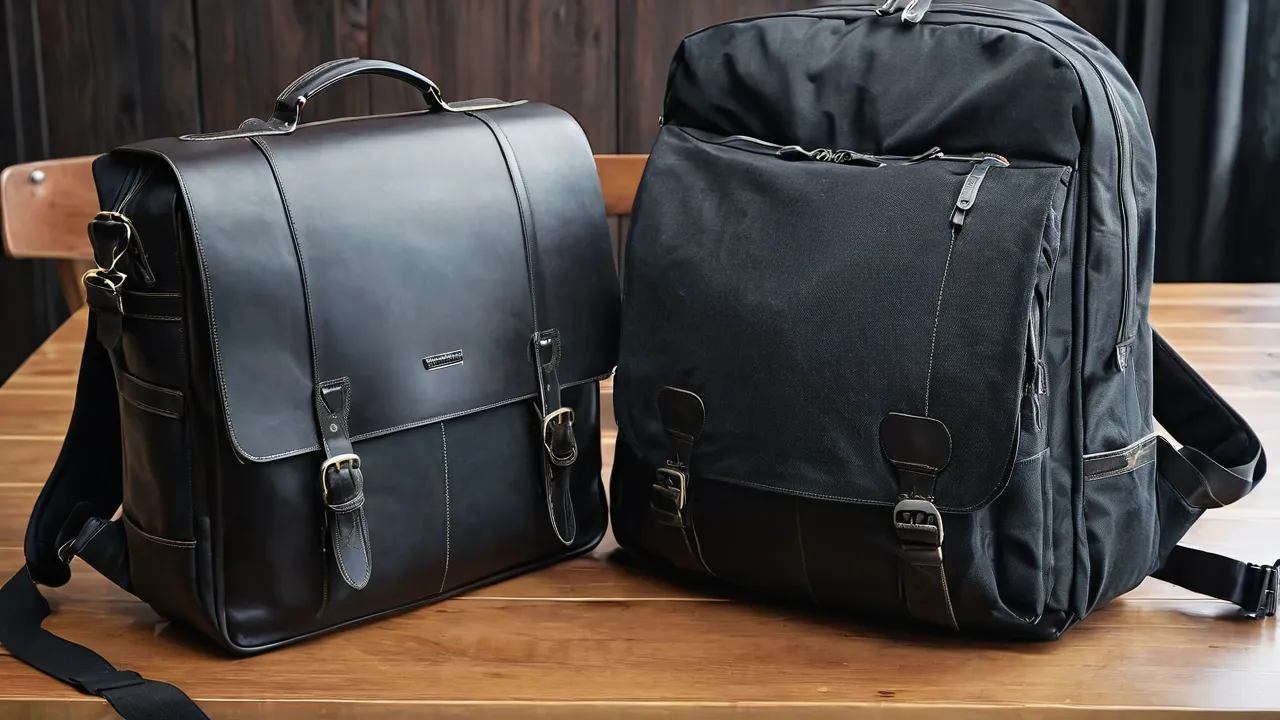
Leather is heavier, needs periodic care and can be refinished, while nylon is lighter, handles rain with little fuss and tends to be replaced rather than restored. For frequent flyers who carry a laptop daily, nylon usually wins on weight and convenience, and leather wins on appearance and longevity if you maintain it.
Weight: What You Actually Carry
Weight is the first practical difference. A leather bag is often heavier than a nylon bag of the same size, and that difference is added to the laptop, charger and papers you already carry. Over a long day, the extra weight on one shoulder matters.
Think in terms of your route. If you walk long terminal corridors or climb stairs, a lighter bag reduces strain. If you commute short distances and mostly sit, the extra weight is less important. Check the manufacturer’s stated weight for the bag you are considering and compare it with other bags with similar capacity. Our backpack category lists bags in both materials.
Rain, Humidity and Spills
Nylon sheds water. With a coated fabric or water-repellent finish, rain beads up and the interior stays drier. The finish wears off but can be refreshed. Zippers and seams are the weak spots in a downpour.
Leather absorbs water unless treated. A drenched leather bag can stain, stiffen and warp, and a wet strap may darken or stretch. Treat leather with a conditioner or protector made for the type of leather, and carry a light rain cover for storms. If you travel in wet climates or ride a bike, nylon is the safer choice.
How Each Material Ages
Nylon ages quietly. The color can fade in strong sun, the coating inside can flake and the base can abrade. It rarely looks distinguished, but it rarely looks ruined either.
Leather ages visibly. Full-grain leather develops a patina with use, and scratches blend in with time. Lower grades or coated leather can peel or crack. The difference between a bag that ages well and one that does not is the grade of leather and the finish, which product pages sometimes describe. Look for the terms full-grain or top-grain, and be cautious about vague words like genuine leather, which can describe lower grades.
Maintenance and Refinishing Over a Decade
Over ten years, the cost story changes.
Nylon
Upkeep is simple: wipe with a damp cloth, spot clean, and refresh the water-repellent finish when rain stops beading. Zippers and straps may need repair. When the coating fails or the lining tears, replacement is the usual answer.
Leather
Upkeep is more involved: occasional conditioning, protection from sun and heat, and cleaning with products suited to your leather. A leather repair shop can restitch handles, replace hardware and recolor worn edges, but each service has a cost and the bag must be worth it. If you value one bag you can keep for a decade, leather rewards care. If you expect to change bags every few years, the maintenance may not pay off.
Count the cost of cleaning products and repairs, not only the purchase price.
Security, Look and Airport Handling
Leather looks polished in meetings and signals a professional style. Nylon blends in and looks casual unless it has clean lines. For airports, nylon bags flex into overhead bins and stuff under seats more easily. Leather bags hold their shape, which can be a plus for carrying documents flat but a minus when space is tight. Both can have lockable zippers and hidden pockets. Our best executive backpack roundup covers bags with a professional look.
Ethics, Padding, Hardware and Cost
Some buyers avoid leather for animal welfare reasons. Others prefer it as a natural material that can last. Synthetics like nylon come from petrochemicals and are not easy to recycle. If these considerations matter to you, read the product page for material sourcing details, and do not assume claims without a source. For a deeper look at how we treat such claims, see our how we review page.
Laptop Protection and Interior Padding
The material outside matters less than the padding inside. A thin leather satchel with no padding offers little protection, while a nylon bag with a thick, raised-base sleeve can handle a bump onto a hard floor. Check for padded sides, a protected base and a snug compartment that stops the laptop from sliding. Measure the compartment against your laptop, and remember to include any case you use. A bag that is too snug strains zippers, and one that is too loose lets the device rattle.
Straps, Hardware and Stress Points
Hardware shows quality quickly. Look for sturdy metal rings, riveted or bar-tacked strap anchors and wide shoulder straps with padding. Leather handles can stretch and crack along edges, while nylon webbing frays at cut ends. Zippers fail on both. For either material, a carry handle that is reinforced where it joins the body will outlast one stitched only through a thin layer.
Cost Over Ten Years: A Simple Method
Compare totals rather than sticker prices. Write down the purchase price, the number of years you expect it to last, any care products and likely repairs. For a nylon bag, assume replacement when the coating fails or a strap tears. For a leather bag, include conditioner and possible hardware or stitching repair. Divide the total by years of use. A bag that costs more and lasts twice as long may cost less per year, while a bag that looks great but leaves you with sore shoulders may cost you more than money. Use real figures from sellers and repair shops near you, not guesses, and revise as your habits change.
A Quick Decision Check
| Factor | Leather | Nylon |
|---|---|---|
| Weight | Usually heavier | Usually lighter |
| Rain | Needs protection | Sheds water with a coating |
| Aging | Develops patina if well made | Fades or abrades quietly |
| Upkeep | Conditioning, heat protection | Wipe clean, refresh finish |
| Repair | Restitching, hardware, recoloring | Zipper and strap repair, then replace |
Ask four questions before you buy. How many pounds do you carry on a typical day, and how long do you carry them? How often will the bag meet rain, snow or a crowded train? Are you willing to condition leather a few times a year and store it out of direct heat? Do you want a bag that makes a polished first impression in a meeting? If your answers point to heavy loads, wet weather and low upkeep, nylon fits. If they point to light loads, dry weather and a love of care, leather fits.
Hybrid bags use nylon bodies with leather trim at handles and corners. They offer lighter weight and keep the look, though leather trim still needs care and can wear unevenly. Read the description to learn which parts are leather.
Think about travel mode as well. On trains and buses, a nylon bag that squeezes under a seat or onto a rack is easier to manage, while a leather bag that keeps its shape may need more floor space. In hot cars and sunny windows, leather can dry out and fade, so avoid leaving it on a parcel shelf. If you share the bag with a rain-heavy commute, a simple rain cover turns either material into a workable choice.
Who Should Choose Which
Choose leather if you want a long-lived, repairable bag with a professional look, you carry modest loads and you will condition it. Choose nylon if you travel often, carry heavy loads, face rain or want little upkeep. Skip leather if you ride a bike, live in a humid place without storage care or want to carry a lot. Skip cheap nylon with a thin coating if you plan to keep it a decade.
Verdict by buyer type: a frequent flyer who carries a laptop every day should lean nylon; an office commuter with a light load and a polished dress code can lean leather; a rider or cyclist should avoid untreated leather; a buyer who wants one bag for a decade and is willing to condition it should consider full-grain leather from a maker that sells replacement hardware.
Check the labeling when you shop. Terms such as full-grain and top-grain describe better grades, while bonded or coated products may peel. For nylon, look for named fabrics and coatings and a stated denier, since higher-denier weaves generally resist abrasion better but weigh more. If the page does not describe the material in specific terms, treat that as missing information.
Frequently Asked Questions
Is leather or nylon better for a laptop travel bag?
Nylon is usually better for frequent travel because it is lighter and handles rain with little care. Leather suits a polished look and a long life if you condition it and carry a modest load. Choose by your daily weight, climate and upkeep habits.
Is a leather laptop bag too heavy for travel?
Often it is heavier than a nylon bag of similar size, which adds to the laptop and charger you already carry. For long terminal walks or stairs, a lighter bag reduces strain. Compare stated weights between bags of similar capacity before you buy.
Does a leather laptop bag last longer than nylon?
It can, if it is full-grain or top-grain leather that you condition and protect from heat and water, since a shop can restitch and refinish it. Nylon is simpler to maintain but is usually replaced once the coating fails or the lining tears.
Final Thoughts
Material choice should follow your habits. Nylon gives lighter weight and rain tolerance with minimal care. Leather gives a repairable, long-lived option that rewards care. Weigh the daily load, your climate and your willingness to maintain a bag, then buy the best version of whichever material fits you.
Related buying guides
- How to Measure Your Torso for a Travel Backpack
- Personal Item Size Guide: What Fits Under the Seat
- Rolling Backpack vs Wheeled Duffel for Carry-On Trips
About the author

The BuyOnceChoice Editorial Team researches durable products worth buying once. Our guides compare published specifications, warranty terms, expert review consensus, and verified owner feedback. We do not conduct our own product trials. See How We Review and our Editorial Policy for our standards.