Snow Blower vs Snow Thrower: Terms and Real Differences
Snow blower and snow thrower usually mean the same machine. The differences that matter are stages, clearing width, drive and power source.
 By BuyOnceChoice Editorial Team
Updated November 16, 2026
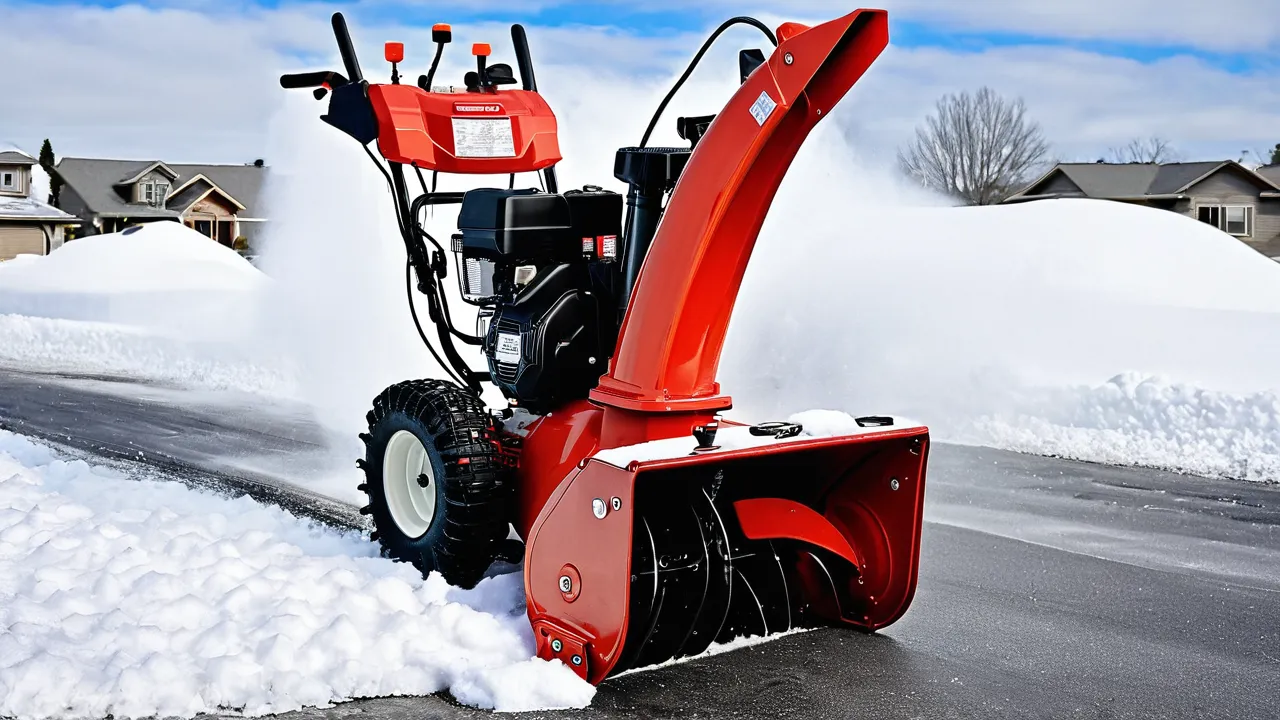
A snow blower and a snow thrower are the same kind of machine in everyday use, and there is no official rule that separates the two names. Some people use thrower for single stage machines and blower for two stage ones, but brands mix the terms freely. What really separates machines is the number of stages, the power source, the clearing width and the drive, not the label.
Why the Terms Get Mixed Up
Both words describe a machine that picks up snow with an auger and sends it out a chute. The word thrower stresses the action of tossing snow, and blower stresses the stream of air and snow from the chute. Neither describes how the machine is built. Retailers, manuals and shoppers use them interchangeably, and search results often show the same products under both terms.
A few manufacturers use their own naming for lines of machines, and a few people have a personal rule, such as calling a light single stage a thrower and a big two stage a blower. Because those rules are informal, do not rely on the name to guess what you are getting. Read the specifications.
How the Terms Map to Stages
A single stage machine uses one rubber edged auger that scoops and throws snow, and it is the type most often called a thrower in casual talk. A two stage machine has an auger that feeds an impeller, a fan like wheel that blows snow out of the chute, and is the type most often called a blower. A three stage machine adds an accelerator. That mapping is a habit, not a standard, so check the stage count on the product page.
The stage count is what affects performance, since it controls how deep and heavy the snow can be and which surfaces suit the machine. Single stage machines are light and clean to the pavement, two stage machines handle depth and gravel and three stage machines add speed for deep, wet snow.
Keep in mind some cautions. Not every single stage machine is called a thrower, and not every two stage machine is called a blower, so a product title that includes the word blower tells you almost nothing about the design. If a listing only gives the name, look for the phrase single stage, two stage or three stage in the specifications, or open the manual. Some retailers also use terms such as snow thrower for electric machines of any type, which adds to the confusion. When in doubt, ask whether the machine has an impeller. If it does, it is at least two stage.
Power Source Differences
Machines also differ by what powers them:
- Gas: the most power and range, with engine upkeep and fuel.
- Corded electric: light and simple, limited by the cord, best for small areas.
- Battery: cordless and quiet, runtime depends on battery size and snow load.
A battery snow thrower and a gas snow blower may differ in power far more than in name. Check the voltage, battery capacity, engine size and clearing width.
Match the power source to your climate and patience. Gas machines start reliably in deep cold if maintained, but they need fresh fuel and oil. Corded machines never run out of power, but the cord limits range and must be kept clear of the auger. Battery machines are quiet and start instantly, but runtime drops in cold weather and with heavy snow, so check how many minutes the maker lists and whether a second battery is sold. If you clear snow in several short sessions, battery power can work well. If you need a single long session, gas is more forgiving.
What Really Separates Machines
Focus on these features instead of the label:
- Number of stages.
- Clearing width and intake height.
- Power source and engine or motor size.
- Drive type: self propelled wheels, tracks or auger propelled.
- Chute control and throw distance.
- Skid shoes and surface suitability.
- Weight and storage size.
- Starting method and handle comfort features.
Two machines with different names can match on every one of these items, and two machines with the same name can differ greatly.
Choosing by Snow, Surface and Space
Match the machine to your snow depth, driveway surface and storage space. Light to moderate snow on pavement suits a single stage, either gas or electric. Deep snow, heavy snow or gravel suits two stage or three stage. Small areas such as steps and short walks suit a compact electric or battery model. Think about where you will keep it, and whether you can lift or tow it where needed.
A short checklist helps: measure the area, note typical and worst case snowfall, decide the power source based on convenience and cold weather performance and compare clearing widths. See our snow blowers category and the best small gas powered snow blower page for options.
Walk through two examples. A small townhouse with a short paved driveway and a walk, where snowfall is usually under 8 inches: a single stage electric or battery machine is easy to store and use, and the name on the box does not change that. A rural home with a long gravel drive and storms of a foot or more: a two stage gas machine with adjustable skid shoes and a wide clearing width is the sensible choice, whether the box says blower or thrower. The surface and snow depth decide, and the label follows.
Safety Applies to Every Type
All of these machines have moving parts that can cause serious injury. Shut off the engine and wait for all parts to stop before clearing a clog, never use your hands in the chute, and use the clearing tool. Run gas engines only outdoors because of carbon monoxide. Keep children and pets away, wear traction footwear and use a cord rated for outdoor use on electric machines. These rules apply whatever the product is called.
Add a brief routine for each use. Before starting, walk the area and remove stones, toys and anything that could be thrown. Check that the chute is clear and the controls move freely. Start the machine outdoors, never in a closed garage. After finishing, shut it off, let it cool and clear it only with a tool. Keep a record of any odd noises or vibration, which can be early signs of a broken shear pin or a loose part.
Reading a Product Page Without the Label
When you read a listing, look for the specifications and ignore the name. Find the stage count, clearing width and height, engine displacement or battery voltage and amp hours, drive type, weight and the manufacturer’s stated snow depth. Check the surfaces the machine is meant for. If the product page does not list stage count, look at the manual. If a listing shows a rating in horsepower or cc, remember that the engine is only one part of the machine, and design and gearing matter too.
Mistakes Buyers Make with the Terms
- Assuming a thrower is weaker than a blower, or the other way around.
- Searching with only one term and missing good options.
- Buying a single stage for gravel because it was called a blower.
- Ignoring clearing width and intake height.
- Choosing by horsepower alone.
- Skipping the manual’s safety section.
The most expensive mistake is assuming the label tells you about power. A small electric thrower and a large gas blower are very different machines, but listings sometimes place them under the same heading. Another mistake is skipping the stage count and clearing width when shopping on a mobile screen, where specs may be hidden under a tab. Open the full specification list before buying, and write down the figures you need.
Cost and Upkeep Across Types
Costs depend on the type and power source, not the name. Gas machines need fuel, oil, spark plugs and belt care. Corded and battery machines need fewer parts, but battery replacement is a long term cost. Two stage machines have more parts to service, such as shear pins, drive systems and skid shoes. Single stage machines wear paddles and scraper edges. Include storage and maintenance in your comparison, and check the warranty. For more outdoor guides, visit the lawn garden and outdoor hub and read How We Review.
Frequently Asked Questions
Is a snow thrower the same as a snow blower?
In everyday use, yes. Both names describe a machine that scoops snow with an auger and sends it out a chute. Some people use thrower for single stage and blower for two stage, but that is a habit, not a standard. Check the specifications.
Which is better, a snow blower or a snow thrower?
Neither name tells you. Better depends on stage count, clearing width, power source and your snow and surface. Light snow on pavement suits a single stage, and deep snow or gravel suits a two stage or three stage machine.
Are single stage machines called throwers?
Often, but not always. Many people call single stage machines throwers and two stage machines blowers, because of how the snow leaves the chute. Manufacturers do not follow a single rule, so rely on the stage count in the product details.
Do battery snow throwers work as well as gas blowers?
Battery models suit light to moderate snow on small areas, while gas machines have more power and runtime for deep or heavy snow. Compare voltage, battery capacity, clearing width and the maker’s stated snow depth rather than the product name.
Final Thoughts
Treat blower and thrower as two names for the same tool. Compare stage count, clearing width, power source, drive and weight, then match them to your snow and surface. Follow the same safety rules whatever the machine is called.
Related buying guides
- Track vs Wheel Drive Snow Blowers: Slopes and Gravel
- Gas vs Battery Snow Blower: Cold Weather Trade Offs
- Off Season Snow Blower Storage and Fuel Prep
About the author

The BuyOnceChoice Editorial Team researches durable products worth buying once. Our guides compare published specifications, warranty terms, expert review consensus, and verified owner feedback. We do not conduct our own product trials. See How We Review and our Editorial Policy for our standards.