How Long Do Travel Backpacks Last and What Fails First
There is no fixed lifespan for a backpack. It is set by use, load and the weakest part. See the usual failure order and habits that extend a pack's life.
 By BuyOnceChoice Editorial Team
Updated November 16, 2026
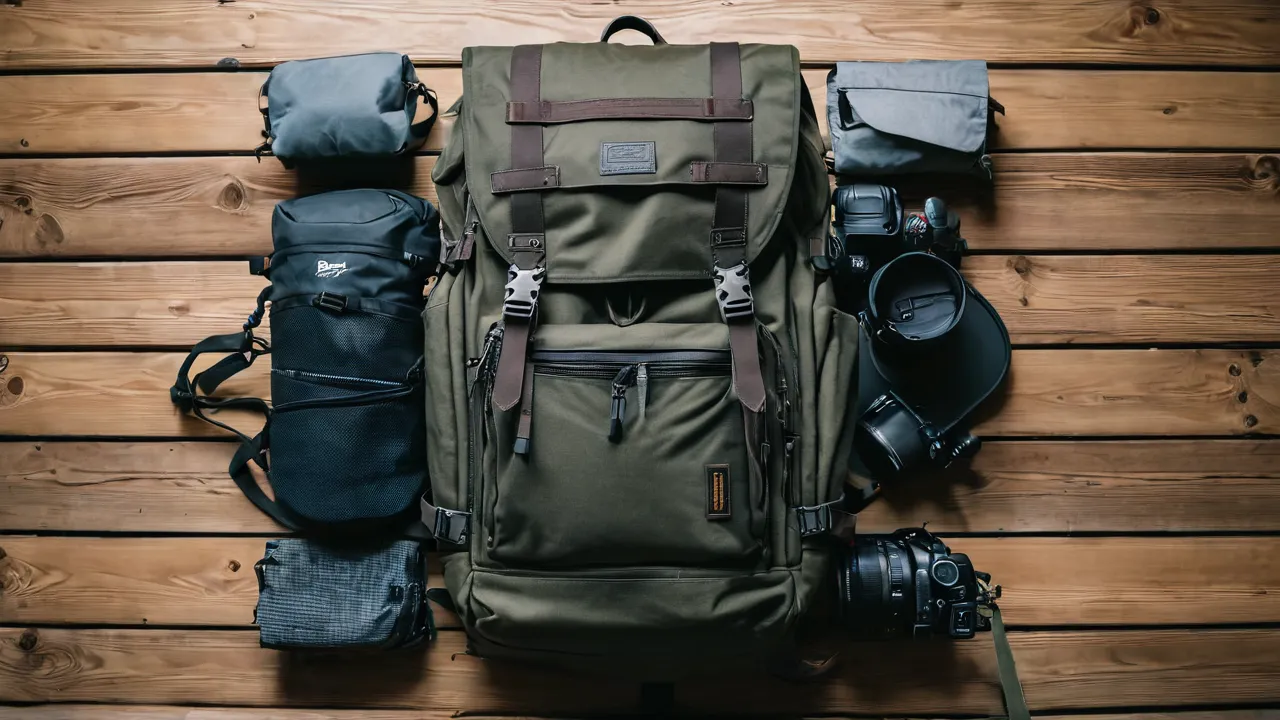
How long do backpacks last depends more on how you use one than on its age. A well-made pack used for light commuting can serve for many years, while a cheap pack carried heavy every day may fail within a season. No honest figure applies to all packs, so learn the failure points, check them regularly and repair what you can.
Why There Is No Single Lifespan
Anyone who gives you a number of years for backpack life is guessing. Lifespan depends on the load carried, how often the pack is used, the environment, the quality of materials and construction, and how well it is cared for. A pack used five days a week for a commute meets more stress than one used for one trip a year, but the second may age through poor storage.
What can be said is that backpacks fail in a recognizable order. The weakest component goes first, and replacing or repairing it often restores the pack. Knowing the order lets you judge quality before you buy, and decide whether to repair or replace once something breaks.
The Usual Failure Order
Zippers
Zippers are usually the first parts to fail. Sliders wear out and let the track separate, teeth get bent when the pack is overstuffed, and pull tabs break. Large main zippers with sturdy sliders last longer. Overpacking is the main enemy, because it pulls the two sides of the track apart.
Buckles and clips
Plastic buckles crack in cold weather or when stepped on. A broken sternum clip or hip belt buckle may be replaceable at low cost, as replacement parts are widely sold, but a broken buckle on a sewn-in strap needs a repair.
Strap stitching and anchors
Shoulder straps and top handles carry the load. Stitching can pull loose at anchor points, especially when the pack is hung by the handle while heavy. Bar-tack stitching and reinforcing patches slow this process.
Fabric abrasion
Fabric wears at the bottom panel, corners and wherever the pack rubs on surfaces. Coatings on the inside may peel and become sticky as they age, which is a sign the water-resistant layer is breaking down.
Foam and padding
Back panel and strap foam compress over time, which reduces comfort before it reduces function.
Why carried weight matters more than age
Two identical packs can age very differently because of load. Heavy daily loads stretch strap stitching, pull on zipper tracks and crush foam. A pack that regularly carries a laptop, a water bottle and books wears faster than one used for a light day trip. Weigh your typical load and compare it with the maker’s stated capacity or recommended load, if the product page gives one. If you carry heavy loads often, favor packs with a frame sheet, wide padded straps and reinforced anchors, and avoid hanging the pack by its top handle while it is full.
What Shortens a Pack’s Life
Several habits reduce lifespan, and most are avoidable:
- Overloading beyond what the pack was designed to carry.
- Overstuffing, which strains zippers and seams.
- Dragging the pack along the ground or setting it down on abrasive surfaces.
- Storing it damp, which encourages mildew and weakens coatings.
- Long exposure to direct sun, which fades and weakens fibers.
- Using the pack as a seat or cushion.
- Carrying sharp objects loose in main compartments.
None of these is dramatic. They accumulate, and wear shows up on a schedule decided by how often they occur.
Quality Signals That Predict Longevity
When you shop, look for evidence of lasting construction.
- Named fabric with a described weave and coating, as explained in our guide to ballistic nylon and Cordura.
- Reinforced stress points, such as bar-tack stitching at strap anchors and handle bases.
- Zippers with oversized sliders and a fabric garage protecting the ends.
- A stiff back panel and replaceable or standard buckles.
- A warranty or repair program, which is a signal that the maker expects the pack to last.
Our how we review page explains how we think about construction when assessing products. Do not rely on price alone. Plenty of expensive packs are fashion items with thin zippers.
Repair, Replace or Retire
Small repairs extend life cheaply. A seam that is starting to open can be restitched by a shoe or tailor shop. A broken buckle can be replaced. A worn zipper slider can sometimes be tightened. Check the manufacturer’s repair program too, since some brands will repair or replace parts.
Replacement makes sense when the main zipper has failed along its whole length, the fabric has torn at a load-bearing seam, the inner coating has turned sticky or the foam has collapsed so the pack hurts to wear. If you carry a laptop or valuable items, retire a pack with weak straps before it fails during use.
A short decision table makes the call easier.
| What failed | Usual action | When to retire the pack |
|---|---|---|
| Zipper slider or pull | Replace the slider or pull | Track torn or teeth missing along the main zipper |
| Buckle or clip | Replace with a matching part | Webbing frayed where the buckle is sewn |
| Strap stitching | Restitch with strong thread | Strap fabric torn or anchor patch ripped |
| Bottom fabric worn thin | Patch from the inside | Holes recur or coating is peeling |
| Foam collapsed | Add a thin pad insert | Back pain or numbness when worn |
Rule of thumb: repair when the failed part is small, replaceable and the fabric around it is sound, and the repair costs well under half of a comparable pack. Retire the pack when two load-bearing parts, such as a strap anchor and the main zipper, fail close together.
Care Habits That Add Years
Clean the pack when it is dirty, using a soft brush and mild soap, and dry it fully before storage. Empty pockets, loosen straps, and store it in a cool, dry place out of direct sun. Avoid heavy items on top of it. Check stitching and zippers every few months and fix small problems early. If you want a refresher on cleaning, see our backpack category for related care guides, and browse the luggage section for more.
A simple inspection routine
Once a quarter, empty the pack and go over it in good light. Turn it inside out where you can. Look at the base panel for thin or shiny patches, which mean fabric is wearing through. Pull gently on each strap and handle to see if stitching shifts. Run every zipper the full length and look for gaps behind the slider. Snap each buckle and check that it clicks firmly. Press the foam on the back panel and straps; if it does not spring back, comfort is on its way out.
Note small issues in your phone and fix them before the next trip. A loose thread at a strap anchor can be reinforced in a few minutes with strong thread, while a failed strap on a loaded pack can drop a laptop.
Reading wear as information
Where a pack wears says how you use it. A scuffed bottom means it spends time on floors, which suggests a reinforced base next time. Fraying at one shoulder strap suggests an uneven load. Sticky lining suggests heat or age. Use these clues to choose a better match when you replace it, and keep a short list of what failed on the old one.
Who Should Choose Which Approach
Choose a durable pack with a repair program if you commute or travel often. Choose a lower-cost pack if your use is light and you accept replacing it. Skip packs with no information about fabric, zippers or warranty if you plan to carry heavy loads. Repair rather than replace when the fabric and straps are sound.
Be wary of marketing language about lifetime durability. Read what a warranty actually covers, since many exclude normal wear, and keep your receipt. The most reliable sign of a long-lived pack is a maker who publishes repair instructions and sells replacement buckles, sliders and straps, because that shows they expect their products to be used for years.
Weather and climate matter more than most owners expect. Hot, humid places speed up coating breakdown and mildew, while cold makes plastic buckles brittle and stiffens zipper pulls. If you travel to extremes, favor metal hardware where possible and give the pack a longer drying and airing period after each trip. Salt air and sand are both abrasive, so rinse sandy zippers with a damp cloth and let them dry before closing the pack.
Frequently Asked Questions
How many years does a travel backpack last?
There is no fixed number. A pack used lightly and stored dry can last many years, while one carried heavy daily may fail within a season or two. Zippers, buckles and strap stitching usually wear first, so inspect those parts to judge remaining life.
What part of a backpack wears out first?
Usually the main zipper, followed by buckles and strap stitching, then fabric at the base and corners. Foam padding also compresses over time. Overpacking and dragging the pack on the ground speed up most of these failures. Inspect these parts every few months and repair small problems early.
Can you repair a backpack zipper or strap?
Often yes. A tailor or shoe repair shop can restitch strap anchors, replace a slider or patch fabric, and many buckles are sold as standard parts. If the zipper track is torn or the strap fabric is ripped, a full replacement may be the better option.
Final Thoughts
A backpack lasts as long as its weakest part and its owner’s habits allow, and the habits are the part you control. Expect zippers, buckles and strap stitching to fail before fabric. Choose packs with reinforced stress points and repair support, avoid overpacking, store them dry and repair small damage early. That approach beats any lifespan number.
Related buying guides
- How to Choose a Camera Travel Backpack
- How to Choose a Travel Backpack for Your Trip Style
- How to Fit a Travel Backpack: Straps, Belt, and Load
About the author

The BuyOnceChoice Editorial Team researches durable products worth buying once. Our guides compare published specifications, warranty terms, expert review consensus, and verified owner feedback. We do not conduct our own product trials. See How We Review and our Editorial Policy for our standards.