Round vs Oval Dutch Oven: Which Shape Fits You
Shape changes burner coverage, roast fit and storage. Here is how to choose between round and oval before you buy a pot you plan to keep.
 By BuyOnceChoice Editorial Team
Updated November 16, 2026
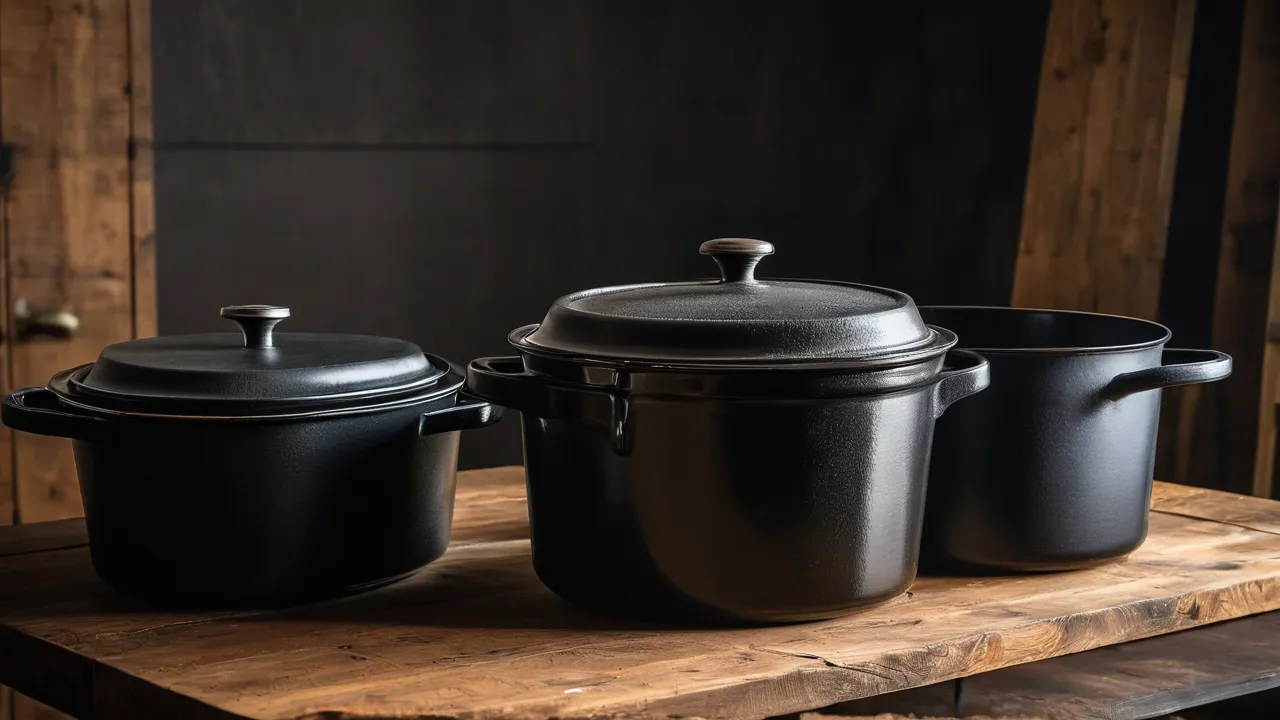
Round vs oval Dutch oven: choose round if you cook mostly on the stovetop, make soups, stews, and rice, and want even heating on a standard burner. Choose oval if you roast whole chickens, braise long cuts like brisket or pork shoulder, or bake long loaves. Round is the better first pot for most kitchens, and oval is a strong second for the roasts it fits better.
How Shape Changes the Cooking
Both shapes are made from the same material, usually enameled cast iron, and both hold heat steadily. The difference is how the footprint meets the heat source and what the interior shape accommodates.
A round pot sits squarely over a round burner. The base touches the heat evenly, so the pot heats uniformly and the food browns evenly in the center. The walls are the same distance from the center in every direction, which suits stirring, simmering, and rice.
An oval pot has a longer footprint. On a standard burner, the ends of the pot hang off the heat, so the center heats more than the ends. For searing, that means you may need to brown in batches or rotate the pot. In the oven, shape matters less because heat surrounds the pot. The longer interior holds long cuts of meat flat, and a whole bird sits comfortably without cramming.
Shape also affects use with the lid, since an oval lid is larger and heavier, and the pot takes more storage space.
Round Dutch Ovens: Strengths and Weaknesses
- Strengths: even stovetop heat, easy to stir, simple to store and stack, suits soups, stews, chili, rice, pasta, and no-knead bread.
- Weaknesses: less room for long cuts, so a long roast may need to be cut or curled, and a whole large chicken may fit tightly.
- Best for: everyday cooking, small kitchens, and anyone who wants one pot to do the most.
A round pot also works well for a boule of bread, which is round by nature.
Oval Dutch Ovens: Strengths and Weaknesses
- Strengths: fits whole chickens, ducks, roasts, ribs, and long vegetables, and bakes long loaves like bâtards.
- Weaknesses: uneven stovetop heating on a single burner, harder to stir in the corners, takes more storage space, and the lid can be awkward to handle.
- Best for: roast-oriented cooks, large households, and holiday meals.
Some cooks use an oval pot on a gas range where the flame spreads along the base, or on a two-burner griddle area, to improve heat distribution. If you plan to brown on the stove, check how well your burner suits the footprint.
Capacity Is Not the Same as Fit
Dutch ovens are sold by quart capacity, but capacity does not tell you whether a roast fits. Check the interior length and width on the product page.
- A common round size is around 5 to 6 quarts, enough for most families.
- An oval pot of a similar capacity is longer but narrower, so it may fit a chicken better and a stockpot-style batch of soup worse.
- Measure your largest roast or loaf, then compare with the interior dimensions, leaving a little room for air circulation and for the lid to close.
Sizing guidance varies by maker, so check the stated dimensions instead of assuming. If you often cook for a crowd, think about weight as well, since a large, full enameled pot can be heavy to lift in and out of the oven.
Decision Table
| If you | Choose |
|---|---|
| Cook mostly soups, stews, rice | Round |
| Roast whole chickens or large cuts | Oval |
| Have a small kitchen or storage | Round |
| Bake bread in the pot | Round for boules, oval for long loaves |
| Cook on one standard burner | Round |
| Braise brisket, ribs, or pork shoulder | Oval |
| Want one pot only | Round |
| Cook for large gatherings | Oval, as a second pot |
Cooktop, Oven, and Storage Fit
- Burner size: round pots fit a standard burner. Oval pots overhang, so check that the cooktop manual allows pans larger than the burner and that the overhang is not near controls or a wall.
- Induction and glass-top: ensure the base is flat, and lift rather than slide to avoid scratching. Oval pots can contact the zone unevenly on induction, since only the part over the coil heats.
- Oven: measure the shelf height and depth, particularly for oval pots and the lid handle.
- Storage: oval pots are harder to stack, and may need a deeper shelf.
- Weight: enameled cast iron is heavy, and oval versions can be awkward to carry with two hands.
Our Dutch oven guides explain sizes and features in more detail. If you want a lighter pot for similar cooking, look at stainless steel cookware. Our How We Review page explains how we evaluate products using research and specifications.
A Worked Example
A family of four makes chili, stew, and pasta weekly and roasts a chicken on Sundays. A round pot of about 5 to 6 quarts covers weeknight needs and fits a smaller chicken, so they buy round first. Later they host holidays and want to cook a large roast. At that point an oval pot becomes a sensible second purchase, because it handles the long cuts and extra volume.
Mistakes to Avoid
- Buying an oval pot as the only pot, then struggling on a small stove.
- Buying a round pot that is too small for the roast you want.
- Ignoring the lid and knob heat rating when baking at high heat.
- Forgetting to measure the oven.
- Choosing by quart capacity without checking interior length.
- Not checking weight when full.
Which Foods Each Shape Handles Best
- Soup, stew, chili, and beans: round, because the narrow footprint concentrates heat and makes stirring easy.
- Rice, risotto, and braised grains: round, for even heat across the base.
- Pot roast and short ribs: either, with oval easier for long bone-in pieces.
- Whole roast chicken: oval for larger birds, round for smaller ones.
- Brisket and large pork shoulder: oval, since the meat lies flat.
- Deep frying: round, for stable oil depth and fewer hot spots, though you should follow the maker’s guidance on frying in enameled pots and use a thermometer.
- Bread: round for boules, oval for long loaves.
- Whole fish: oval, though check that the pot and lid close properly.
Heat, Handling, and Safety
Enameled cast iron stays hot a long time, so handle with care. Use dry, thick mitts, set the lid down on a trivet, and turn the lid away from your face when you lift it so steam does not burn you. Oval pots have longer handles that can overhang the oven rack, so check clearances before you slide the pot in. Never put a cold pot on a hot burner or pour cold liquid into a very hot pot, since thermal shock can crack the enamel. When moving a full pot, plan your path and clear the counter first, because the combined weight of a pot and a roast can be considerable. Keep children away from the stove while the pot is in use.
Storage and Space
An oval Dutch oven needs a shelf that is both deep and wide, and many cabinets are not. Round pots can stack with the lid inverted or nested with cloth protection, but oval pots are harder to nest. Measure the cabinet or oven drawer you plan to use before buying, and consider whether you have a safe place to rest a hot pot, since an oval pot of the same capacity has a bigger footprint on the counter. If space is tight, the round pot is almost always the better choice, and a roasting pan can handle the long roasts that an oval pot would.
When to Own Both Shapes
Owning both is common among cooks who use their pots weekly. The round pot becomes the daily workhorse for soups, stews, and grains. The oval pot comes out for roasts, holidays, and long braises. If you are building a collection gradually, buy the round pot first, live with it for a few months, and note what you wish it could do. If the answer is that you keep running out of room for roasts, add the oval. If the answer is nothing, you may never need it. Resist buying both at the same time unless you already know your cooking habits, since each pot takes up a lot of space and weight.
Frequently Asked Questions
Is a round or oval Dutch oven better?
Round is better for most cooks, since it heats evenly on a standard burner and suits stews, soups, and rice. Oval is better if you often roast whole birds or long cuts. If you want only one pot, choose round.
Does an oval Dutch oven heat unevenly on the stove?
It can, because the ends extend beyond a single burner. The center heats more than the ends, so you may need to brown in batches or rotate the pot. In the oven the difference mostly disappears, since heat surrounds the pot.
What size Dutch oven fits a whole chicken?
Many 5 to 6 quart pots handle a smaller chicken, and a larger bird is more comfortable in an oval pot. Check the interior dimensions on the product page, and measure your bird before buying. Leave a little room around the meat so heat can circulate and the lid can close.
Can I bake bread in an oval Dutch oven?
Yes. An oval pot suits long loaves, and a round pot suits round loaves. Check the lid and knob heat rating in the manual, and preheat the pot gradually as the recipe directs. Use mitts, because the pot and lid get extremely hot at baking temperatures.
Final Thoughts: Round First, Oval for Roasts
Choose round for everyday stovetop cooking and an oval pot when roasts and long loaves are a regular part of your cooking. Check interior dimensions, your cooktop and oven fit, and weight before you decide.
Related buying guides
- Braiser vs Dutch Oven: Which Do You Need
- Chipped Enamel on Cast Iron: Is It Still Safe?
- Dutch Oven for Bread: Size and Shape Checklist
About the author

The BuyOnceChoice Editorial Team researches durable products worth buying once. Our guides compare published specifications, warranty terms, expert review consensus, and verified owner feedback. We do not conduct our own product trials. See How We Review and our Editorial Policy for our standards.