Chipped Enamel on Cast Iron: Is It Still Safe?
A small rim chip is often cosmetic, but a chip inside the cooking area is different. Learn how to judge the damage and what to ask the maker.
 By BuyOnceChoice Editorial Team
Updated November 16, 2026
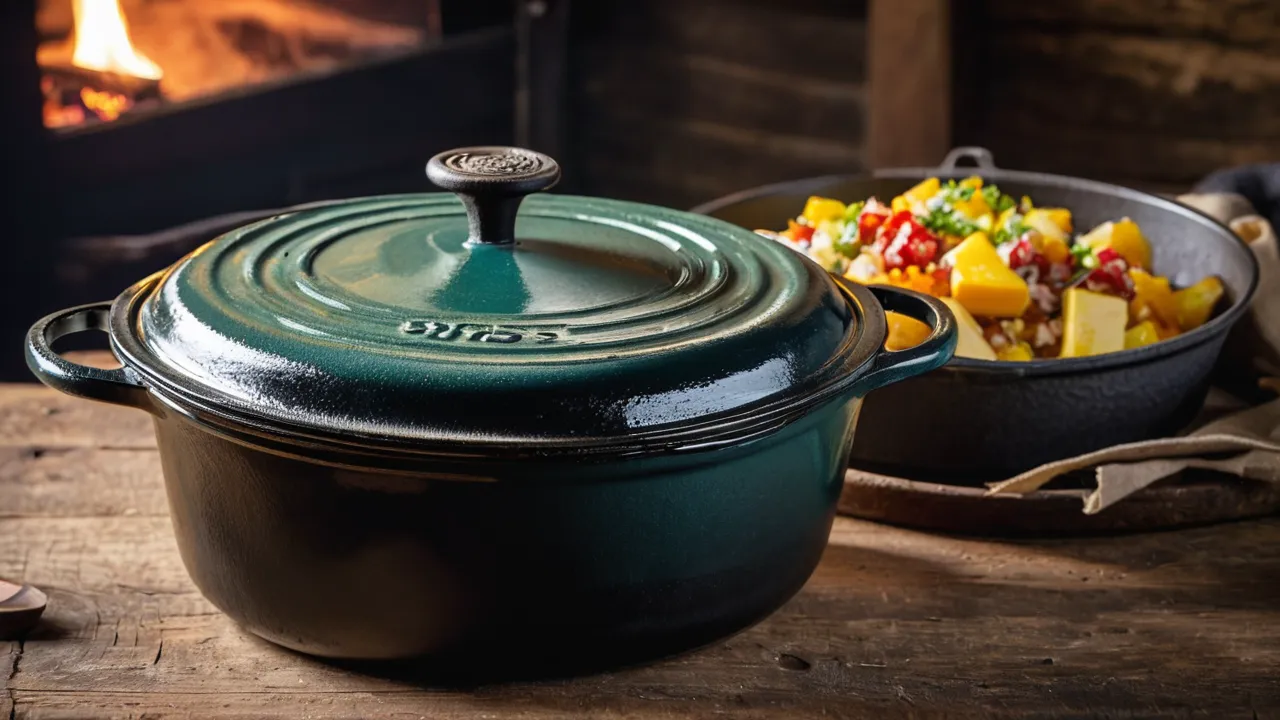
A chipped enameled cast iron pot is not automatically unsafe, but where the chip is and how big it is decide whether you can keep using it. Small chips on the rim or outer edge are usually cosmetic, while chips in the cooking surface, flaking enamel, cracks or rough, sharp edges are reasons to stop cooking in the pot and check with the maker. When you are unsure, retire the pot or contact the manufacturer before you use it again.
What Enamel Is and Why It Chips
Enameled cast iron is a cast iron pot coated with a glass-like layer, called enamel, that is fused to the metal at high heat. The coating protects the iron from rust, keeps food from reacting with the metal and means the pot needs no seasoning. Because it is glass on metal, it can chip when the two expand and contract at different rates or when it takes a hit.
The common causes are impact, such as banging a metal utensil on the rim or dropping a lid, thermal shock from moving a hot pot into cold water, heating an empty pot on high and stacking pots without padding. The rim is the most chip-prone area, because the enamel is thin there, and some makers say the rim is bare iron or has a thinner coat as a design feature. Check your pot’s care sheet to see what the maker says is normal. Our Dutch oven category and cast iron category cover related pots.
This article is general information. The maker’s guidance for your specific pot comes first, and if you have health concerns about cookware materials, ask a doctor.
Cosmetic Chips: The Usual Cases
Some chips are mostly a matter of appearance.
- A tiny chip on the outer rim where the lid meets the pot, with no loose enamel nearby.
- Small scuffs or nicks on the outside of the pot that expose no rust and have no sharp edges.
- Light surface marks on the interior that do not go through the enamel, such as gray or utensil marks, which can often be cleaned.
Even here, keep an eye on the spot. A chip on the rim can expose bare iron to moisture, which may rust. Dry the pot well, and you can wipe a thin film of oil on the exposed rim to slow rust. Many makers say rim chips do not affect safety for cooking if the cooking surface is intact, but check yours.
It also helps to separate chips from stains. Brown or gray discoloration inside a pot, especially a light-colored one, is usually staining from food and heat, not damage. A paste of baking soda and water or a cleaner recommended by the maker often lifts it. Dull patches may come from hard water or abrasive cleaners. If a mark is smooth and the enamel feels continuous under your fingertip, it is not a chip. A true chip leaves a recessed area with an edge, and often a darker core of iron.
Think about the pot’s age and use, too. A pot that has been in the family for decades and has a few worn spots on the rim is different from a recent purchase that chipped in the first month. A new pot that chips under normal use may point to a defect covered by warranty, so document it quickly. An older pot with widespread flaking has reached the end of its food-contact life and is better used for decoration than cooking.
Chips That Need Action
Stop using the pot and check with the maker if you see:
- A chip, crack or flaking on the inside cooking surface.
- Enamel pieces that lift, bubble or come off in food.
- Cracks in the enamel, particularly radiating from a chip or running across the base.
- Sharp or rough edges where enamel has broken away, which can cut or catch.
- Rust spreading from a chip that does not clean off.
- Crazing, a web of fine cracks, if it is deep, rough or flaking and not only a surface pattern.
- A pot that looks damaged after a drop or thermal shock.
Bare iron exposed in the cooking area can rust, react with acidic foods and leave a metallic taste. Loose enamel fragments could end up in food and be swallowed or cause injury. Neither is something to risk. If you find a fragment in your food, set the pot aside and do not eat that food.
If your pot is old, has no brand marking or comes from a source with no information on its enamel, be cautious. Some older or poorly made enameled cookware used glazes that did not meet current expectations for food contact. If you are unsure of the origin, consider replacing it with a pot from a maker that states its materials and care.
How to Check Your Pot
- Wash and dry the pot completely, then look at it in good light.
- Run a clean, dry fingertip, with care, over the interior surface and rim, feeling for rough spots, raised edges and gaps.
- Look for dark spots, rust marks or exposed gray metal.
- Check the base, where cracks may run out of sight.
- Look at the lid’s underside and edge.
- Note where each chip is, and take a photo for records.
- Decide by location: interior or rim, and size.
If you see anything in the interior that worries you, stop using the pot for cooking until you have more information.
A Worked Example
A cook notices a chip about the size of a small pebble on the rim of a Dutch oven. The edge is smooth, there is no loose enamel and the interior is intact. The cook checks the care sheet, which says that chips on the rim are a known risk and do not affect use if the cooking surface is intact. The cook dries the rim well after washing and touches it with a thin film of oil. A second cook finds a chip on the interior wall, near the base, with a rough edge and a spot of rust. The cook stops using the pot, takes photos and contacts the maker about a warranty review. The two chips look similar in a photo, but their location and condition lead to different decisions.
Warranty Claims and What to Expect
Many makers offer a warranty on enamel against defects, such as enamel that flakes or peels under normal use. They usually exclude damage from impact, thermal shock, misuse and normal wear, which are the more common causes of chips. Check the warranty terms for your pot, keep proof of purchase and take clear photos of the damage and the whole pot.
When you contact the maker, describe how and when the damage occurred, and how you cared for the pot. A claim is more likely to succeed if the pot is within the warranty period and the damage looks like a coating defect and not an impact. Do not alter the pot before the claim is decided, and ask who pays shipping. Results vary, and the maker may offer a replacement, a discount or no remedy.
Repair, Reuse and Replace
Do not try to repair interior chips with paint, epoxy or touch-up products, unless the maker says the product is safe for cooking surfaces. Most such repairs are not intended for food contact and can fail. For cosmetic chips on the outside, a touch-up made for that purpose may be fine, but follow its instructions.
If the interior is damaged, you can still use the pot for non-cooking jobs, such as a planter or a storage pot, or in the oven for dry, non-food uses. If you want to keep using it for food, ask the maker. Otherwise, replace it. Weigh the cost of replacement against the risk, and put safety first.
Preventing Chips in the First Place
- Use wood, silicone or nylon utensils, not metal, and do not bang them on the rim.
- Let the pot cool before washing, and never put a hot pot in cold water.
- Preheat gradually on low or medium heat, and avoid heating an empty pot on high.
- Lift the lid and pot gently, and do not drop them.
- Store with a cloth, felt pad or paper towel between stacked pots and lids.
- Avoid scouring with metal pads or harsh abrasives.
- Follow the maker’s temperature limits, including the lid knob.
For how we weigh safety advice, see how we review.
Frequently Asked Questions
Is it safe to cook in a Dutch oven with a chipped rim?
Often yes, if the chip is small, the edge is smooth and the interior cooking surface is intact. Check the maker’s guidance, dry the rim well to avoid rust and watch for new chips. If the chip is on the inside or has loose enamel, stop using the pot.
Can I use enameled cast iron with enamel chipped on the inside?
Generally not for cooking. Exposed iron can rust and affect food, and loose enamel can end up in a meal. Contact the maker about a warranty review, and if unsure, retire the pot from food use.
Does the warranty cover chipped enamel?
It may cover defects, such as flaking under normal use, but usually excludes damage from impacts, thermal shock and misuse. Check your warranty terms, keep proof of purchase and send clear photos to the maker. Results vary.
Can I fix chipped enamel myself?
Not safely on cooking surfaces. Most repair products are not made for food contact. Ask the maker, and replace the pot if the interior is damaged. Touch-up products may be acceptable for cosmetic exterior chips if the instructions allow.
Final Thoughts
Rim chips with smooth edges and an intact interior are often cosmetic, while interior chips, flaking enamel, cracks or rust are reasons to stop cooking in the pot. Check the maker’s guidance, document damage for a warranty claim and replace the pot if you have any doubt.
Related buying guides
- Dutch Oven for Bread: Size and Shape Checklist
- Dutch Oven Size Guide: How Many Quarts You Need
- Enameled vs Bare Cast Iron: Which Lasts Longer?
About the author

The BuyOnceChoice Editorial Team researches durable products worth buying once. Our guides compare published specifications, warranty terms, expert review consensus, and verified owner feedback. We do not conduct our own product trials. See How We Review and our Editorial Policy for our standards.