Can You Wash Cast Iron With Soap? Care Rules
The no-soap rule is a leftover from lye-based cleaners. Here is what mild dish soap actually does to seasoning and the care routine that works.
 By BuyOnceChoice Editorial Team
Updated November 16, 2026
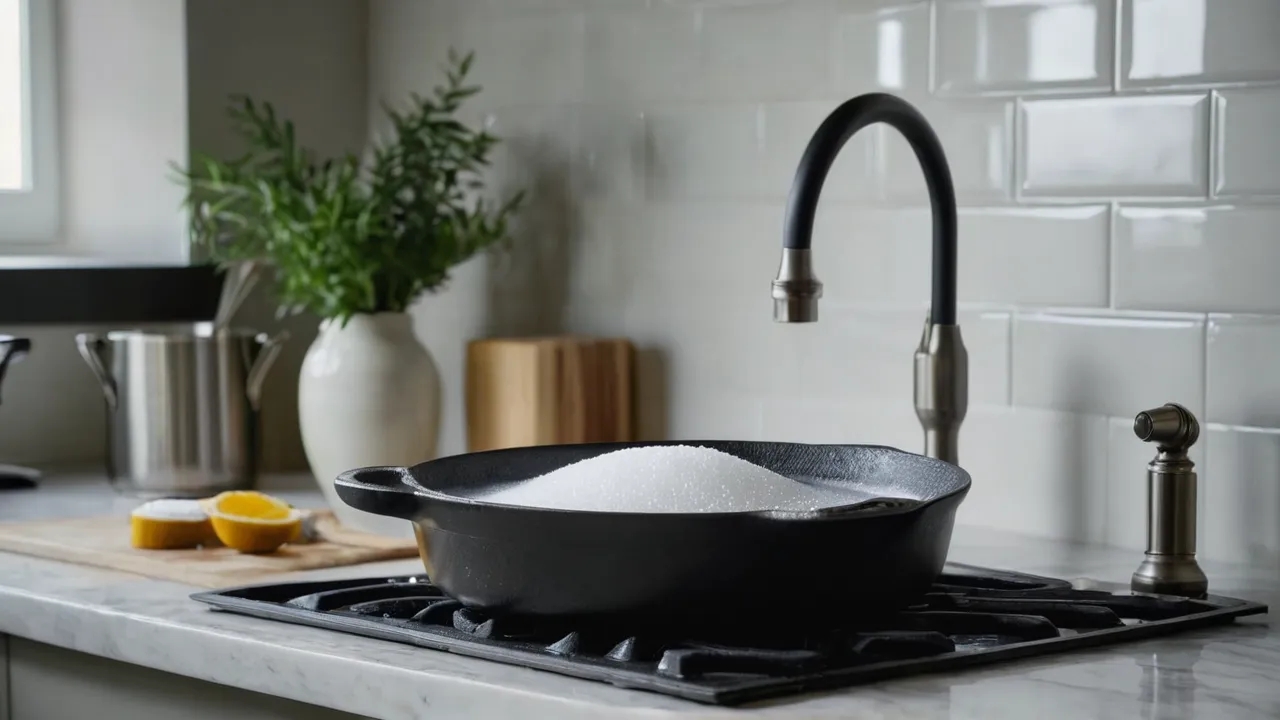
Yes, you can wash cast iron with a small amount of mild dish soap. Seasoning is oil that has been baked into a hard, polymerized layer, and modern dish soap does not strip it the way the lye-based soaps of the past could. What actually damages seasoning is soaking, the dishwasher, harsh scrubbing, air drying and leaving the pan wet, so wash quickly, dry the pan right away and wipe on a thin coat of oil.
Where the No-Soap Rule Came From
For generations, cooks were told never to let soap touch cast iron. The advice made sense when soaps were made with lye, a strong alkali that could break down fats and dull a seasoned surface. Old-fashioned soaps and harsh cleaners did strip some seasoning from pans.
Today’s dish soaps are formulated differently. They are designed to lift grease from dishes and are gentle enough for skin. A brief wash with warm water and a drop of mild soap removes food and excess oil without destroying a well-built seasoning layer. Many cast iron makers now say a little soap is fine, and some say to avoid soap on a pan that is new or poorly seasoned. Check your pan’s care sheet, since advice differs, and some pre-seasoned pans have recommendations specific to their finish.
It also helps to know what seasoning is. A seasoned layer is a thin, hardened coating formed when oil is heated past its smoke point and bonds to the iron. It is not a layer of fat sitting on top that soap can dissolve. A well-formed layer holds up to a brief wash. A patchy or sticky layer does not, which is more often the real cause when a pan loses its finish. Our cast iron cookware page covers the basics of choosing and seasoning pans.
The Daily Routine Step by Step
- Wash the pan while it is still warm, not hot. Running cold water on a very hot pan risks thermal shock, which can crack cast iron.
- Use warm water and a soft brush, sponge or a nylon scraper. A drop of mild dish soap is fine.
- For stuck food, scrape gently, then rinse. Coarse salt and a little water make a gentle scrub.
- Rinse well and dry immediately with a towel.
- Set the pan on a burner on low for a minute or two to drive off remaining moisture.
- Wipe a very thin coat of oil over the cooking surface with a paper towel, then wipe off the excess so the pan looks nearly dry.
- Store with the lid off or a paper towel between the pan and its lid to let air circulate.
The whole process takes about two minutes. The drying and oiling steps matter most, because rust forms when iron stays damp.
Things That Actually Damage the Seasoning
- Soaking: standing water leads to rust and lifts the seasoning.
- The dishwasher: long hot cycles with strong detergent and standing water strip the finish and promote rust.
- Air drying: even a short wait can produce rust spots on bare iron.
- Metal scouring pads and harsh abrasives, used repeatedly, wear through the surface.
- Acidic foods cooked for a long time in a weakly seasoned pan, such as tomato sauce or wine reductions.
- Too much oil during seasoning, which leaves a sticky, uneven layer that flakes.
- Thermal shock, such as running cold water into a hot pan.
- Storing the pan wet or in a humid place.
Soap is not on that list as a problem for most pans. If you decide to avoid soap, you can, but you do not have to.
A few extra habits protect the seasoning between washes. Preheat the pan slowly instead of blasting it on high, since sudden heat can cause food to stick and the surface to craze. Use enough fat when you cook, particularly in a new pan, since the fat refreshes the seasoning a little each time. Keep very acidic or wet foods for later, until the surface is well established. Do not scrape with sharp metal tools at a steep angle, which can gouge the coating. Stack pans with a paper towel or a pan protector between them, since rubbing metal on metal scratches seasoning and can leave rust marks.
Also keep in mind that appearance is not performance. A cast iron pan may look dark and uneven but cook very well, and a shiny, even pan can still stick if the layer is thin. Judge the pan by how food releases, not by how it looks. If eggs slide and bacon browns without welding to the surface, the seasoning is doing its job, whatever the color.
Stuck-On Food and Odors Without Damage
For stuck food, add a little water to the warm pan and simmer for a minute or two, then scrape with a wooden or silicone spatula. A pan that has burnt-on residue can soak for a few minutes at most, then be scrubbed and dried at once. Do not leave it soaking for long.
For odors from fish or garlic, scrub with coarse salt and a little oil, rinse and dry on a burner. A short simmer of water and a splash of vinegar can help, though acids can dull the seasoning, so rinse and re-oil afterward. If a pan smells rancid, the oil layer may be old or sticky, and a fresh seasoning round can help.
A Worked Example
A cook fries bacon, then eggs, in a seasoned skillet. After the meal, the pan is still warm. The cook pours out the grease into a can, wipes the pan with a paper towel, then rinses it with warm water and a drop of dish soap using a soft brush. The cook dries it with a towel, sets it on low heat for a minute and rubs in a few drops of oil, then wipes it nearly dry. The pan is ready for the next meal. The same cook makes a tomato sauce in the pan once and finds the surface dull and slightly sticky. That is the acid and a thin seasoning, not the soap, and a light re-seasoning restores the surface.
When Soap Is Not the Issue and You Should Reseason
If food sticks, the surface looks gray or patchy, the pan has rust spots or the finish flakes, the problem is the seasoning or the care, not the soap. To fix it:
- Scrub off loose rust and flaking with steel wool or a stiff brush, wash with soap and water, and dry thoroughly.
- Apply a very thin layer of cooking oil with a high smoke point all over the pan, then wipe it off until it looks dry.
- Bake upside down in a hot oven, as the pan’s maker recommends, for about an hour, with a tray under it to catch drips, then let it cool in the oven. Many care guides suggest a temperature near or above the oil’s smoke point, so check the instructions for the oil you choose.
- Repeat a few times for a better layer.
Ventilate your kitchen, since smoke is likely. Seasoning is a gradual process, and the best layer comes from regular cooking with fats, not from a single bake.
Cast iron differs from enameled pots, which do not use seasoning. If you own an enameled Dutch oven, follow its own care instructions, which usually allow soap and a soft sponge. See our Dutch ovens page for details. Stainless steel is also different. See our stainless steel cookware page for those rules.
Who Should Follow Which Rule
- New or recently stripped pan: go easy on soap and build seasoning with regular cooking.
- Established pan with a good finish: a drop of mild soap is fine.
- Pan with a maker’s specific advice: follow it, particularly with pre-seasoned or specially coated pans.
- Cooks who prefer no soap: hot water and a brush work for many meals, but they will not remove all odors or bacteria from raw meat, so be careful with raw meat residue.
- Cooks with food safety concerns, such as after raw poultry: wash thoroughly with hot water and soap, and dry well.
For how we weigh care advice, see how we review, and browse the cookware and kitchen tools hub for related guides.
Frequently Asked Questions
Will dish soap ruin my cast iron seasoning?
Not with modern mild dish soap and a quick wash. Seasoning is baked-on, polymerized oil, and a brief wash with a drop of soap does not strip it. Soaking, the dishwasher and leaving the pan wet are the real risks, so dry and oil it right away.
Can I put cast iron in the dishwasher?
No. Long hot cycles, strong detergent and standing water strip seasoning and cause rust. Hand wash, dry immediately on a burner and wipe on a thin coat of oil. If a pan goes through the dishwasher by mistake, dry it at once and reseason as needed.
How do I clean cast iron without soap?
Use hot water and a stiff brush or nylon scraper, scrape off stuck food and scrub with coarse salt if needed. Rinse, dry on a burner and oil lightly. This works for many meals, but soap is more effective for greasy or smelly residue.
Why is my cast iron sticky after washing?
A sticky surface usually means too much oil was left on during seasoning or after cleaning, which did not polymerize. Wipe the pan until it looks nearly dry before heating, and consider a fresh thin seasoning layer. Washing with soap is rarely the cause.
Final Thoughts
A little mild soap is fine for most cast iron, as long as you wash quickly, dry on a burner and oil lightly. Avoid soaking, the dishwasher and air drying, and reseason when the surface turns gray or sticky. Follow your maker’s care sheet when it says otherwise.
Related buying guides
- Cast Iron on Glass Top Stoves: What Is Safe
- Cast Iron Skillet Size Guide: 8, 10, 12, or 15 Inch
- Cast Iron vs Carbon Steel Pans: Which to Buy Once
About the author

The BuyOnceChoice Editorial Team researches durable products worth buying once. Our guides compare published specifications, warranty terms, expert review consensus, and verified owner feedback. We do not conduct our own product trials. See How We Review and our Editorial Policy for our standards.