Telescoping Handle Guide: What Makes One Last
No independent data ranks luggage handles, so judge by feel: wobble, lock positions and tube walls. Plus a plain guide to confusing handle terms.
 By BuyOnceChoice Editorial Team
Updated November 16, 2026
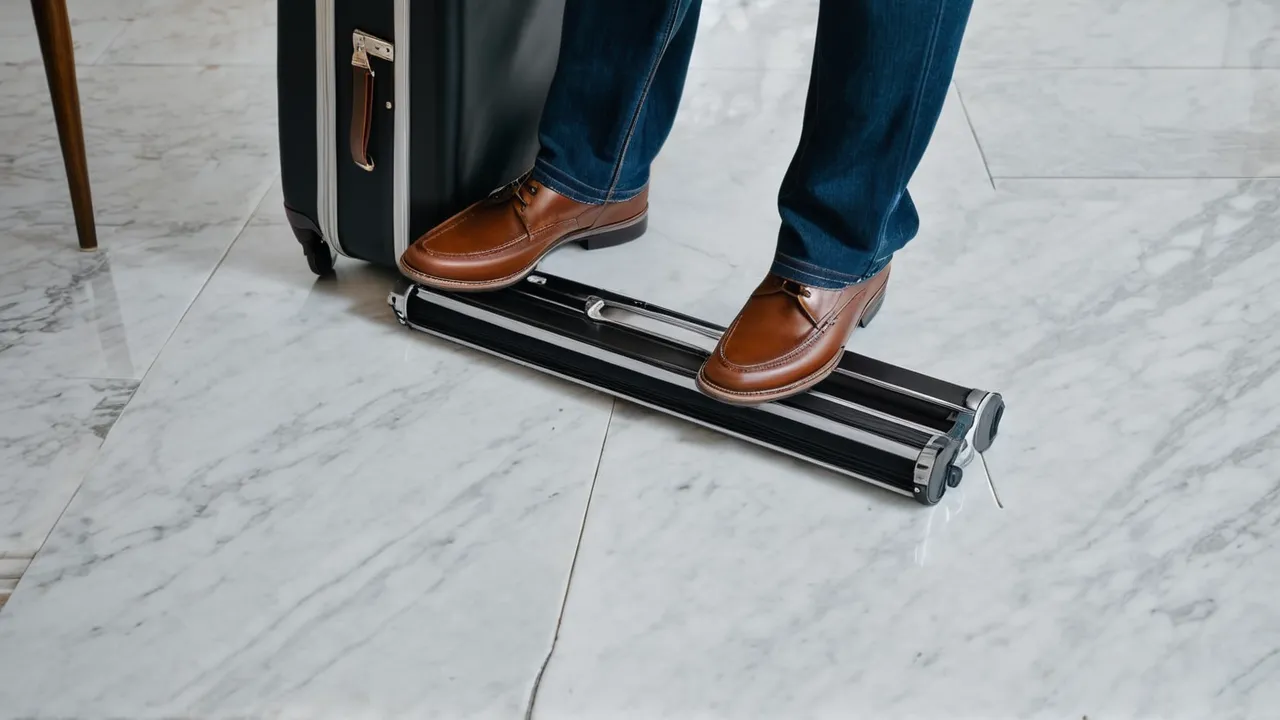
A luggage telescopic handle is the extendable bar you pull to roll the bag, and it is among the first parts to loosen. No independent source ranks handles, so judge one with simple checks: how much it wobbles when extended, whether it locks firmly at each height, and how thick the tube walls look. A handle that feels solid in your hands in the first minute usually keeps feeling that way longer.
How a Telescopic Handle Works
The handle is a set of nested tubes that slide into a track on the back of the suitcase. A grip bar sits across the top, and a release button or latch lets you collapse it. Inside the shell, the tubes attach to a base plate or frame, and the tubes ride in guides that keep them aligned.
Two designs dominate. A single-bar handle has two tubes joined by a top grip, and a trolley-style handle uses two separate rails with a central bar. Some bags use a single central tube. The more tubes and guides in the mechanism, the more places play can appear, but a well-made multi-tube handle can feel more stable than a thin single tube.
Terms That Confuse Shoppers
Brands use vague words for handle features, so product pages can mislead.
- Bar: the top grip you hold. Some pages call the entire handle a bar, and others mean only the grip.
- Button: the release you press to collapse the handle, often located in the grip. A one-button handle lets you collapse both tubes with one press.
- Trolley handle: usually the extendable handle on a wheeled bag, not a special type.
- Multi-stage or multi-height: the handle locks at more than one length.
- Aluminum tubes: they usually describe tube material but not wall thickness.
- Reinforced: a word that rarely comes with numbers.
If a listing offers only adjectives, ask the seller or check the manual. When a manufacturer states a figure, such as a tube material or lock count, use it as reported and do not assume more.
The Wobble Check
Wobble is the main sign of a loose handle. Stand the bag upright, extend the handle fully and hold the grip with one hand. Push the grip gently left and right, then forward and back. Some play is normal, since the tubes need clearance to slide, but the movement should be small and firm, not floppy. Now roll the bag a few feet. Watch whether the bag sways side to side, or whether the handle rattles.
Next, pull the handle to its lowest locked height and repeat. Many handles wobble most at full extension because the unsupported length is greatest. If a handle is very loose in a store, it will be worse after a year of use, because the plastic guides wear and clearances grow.
The Lock Check
A good handle locks securely at each stop. Extend the handle slowly until it clicks at the first height, then press down on the grip. It should not slide back. Repeat at each height. Tall travelers should check the highest position, because a handle that is too short forces you to hunch or tilt the bag.
Try the release too: press the button repeatedly and confirm it springs back crisply and the handle drops without snagging. A mushy button or a handle that needs force to collapse suggests misaligned tubes. Make sure the button does not trigger accidentally when you grab the grip, since an unexpected collapse mid-stride is annoying and can drop the bag.
Tube Walls and Materials
Tube wall thickness is the least visible factor and one of the most important. Thin walls flex when you pull the bag and dent if the handle is pinched in a trunk. You cannot always see the walls, but you can learn from the open end. When the handle is extended, look at the bottom tube where it exits the housing. A visible, thick wall suggests stronger construction. Thin, shiny walls that flex when squeezed suggest the opposite.
Most luggage handles use aluminum tubes, some with plastic guides and others with metal guides. Aluminum resists rust and keeps weight down, but thin tubes can bend. Steel tubes are stronger but heavier and uncommon in lightweight luggage. Check the product page for the tube material and, if stated, the number of tubes. Our luggage sets category lists sets where such details appear in the specifications, and the best softside luggage set roundup covers bags that use different handle styles.
Handle Position and Ergonomics
Where the handle sits on the bag affects comfort. A handle that extends a long way gives tall users a straight arm, which reduces back strain. A short handle makes tall users stoop. Check the extension height against your own: when the bag is upright, the grip should reach about the height of your hip or waist so your elbow bends slightly.
The grip shape matters, too. A thick, rounded grip is easier to hold than a thin edge. A grip with soft padding helps on long walks, while a hard grip can be tiring. Also notice the handle’s interior mounting: some bags use an internal tunnel that takes space from the packing area, while others use an exterior channel that adds bulk to the back of the bag.
Care and Repair
Keep the tubes clean and dry. Wipe them with a damp cloth to remove grit, and avoid forcing the handle if it sticks. Do not carry the bag by the extended handle or use it as a lever to lift a loaded bag into a trunk. If a handle becomes loose, the cause may be a worn guide or a loose screw at the base. Look at the base plate screws inside the bag lining and tighten them gently. Manufacturers differ in whether they offer replacement handles, so check the warranty and parts policy before purchase.
Handle choices by traveler type
A business traveler who walks long airport corridors benefits from a handle that extends high and locks firmly, because the bag trails behind at a steady angle. A family traveler pulling a heavy case alongside children wants a handle that does not collapse when jostled, so the lock feel matters more than the weight. A student moving between dorms and buses often lifts the bag by its side handle as much as rolling it, so reinforced carry handles deserve as much attention as the telescopic one. A casual traveler with a small carry-on may never notice wobble at all.
Questions to ask before you buy
Ask the seller how many tubes the handle uses and whether the guides are metal or plastic. Ask whether the handle assembly is bolted or riveted to the frame, since a bolted unit can be serviced. Ask whether the brand sells replacement handles or only replaces whole bags under warranty. Ask how many heights the handle locks at, and what the highest extension measures, so you can compare it to your own height. If the answers are vague, treat the vagueness as a data point and lean toward a bag with clearer information.
Judging a handle by number of stops and height
Check the stated extension range. A handle that locks at two or three heights lets you shorten it for stairs or crowded aisles and extend it for walking. Measure your relaxed hand height from the floor at your side, and make sure the top position reaches at least that height with a little room to spare, so you are not leaning forward. If the product page lists a collapsed height and an extended height, subtract the two to see the travel, and check that the highest stop clears your hip.
Verdict by buyer type: a tall traveler should put the highest stop and tube wall first; a frequent flyer should put lock firmness and parts support first; a light packer with a small carry-on can accept a simpler handle if wobble is low.
Who Should Choose Which
Choose a handle with multiple lock heights and thick tube walls if you are tall, travel often or pack heavy. Choose a simple single-height handle if you travel light and want a lower weight. Skip any bag where the handle wobbles in the store and the maker gives no information about parts. For how we treat construction details when reading specification pages, see our how we review page.
Frequently Asked Questions
Why does my suitcase handle wobble?
Some play is normal because the tubes need clearance to slide, but extra wobble usually comes from worn plastic guides, a loose screw at the base or thin tube walls. Tighten base screws gently and check the warranty if the movement is large.
How can I tell if a luggage handle is good quality?
Extend it fully and push the grip left, right, forward and back. Movement should be small and firm. Check that it locks at each height without sliding, the release button springs back crisply and the tube walls look thick at the open end.
Can a luggage telescopic handle be replaced?
Sometimes. If the handle assembly is bolted to the frame and the maker sells parts, replacement is possible. If it is riveted, repair is harder. Check the warranty and parts policy before buying, and follow the manual for any repair.
Final Thoughts
Handle quality comes down to three things you can feel: low wobble, firm locks and sturdy walls. Learn the marketing terms, check for numbers and do the extended-handle checks before you commit. A handle that feels solid in your hand today has the best chance of staying that way.
Related buying guides
- Luggage Trackers: AirTag vs Tile for Checked Bags
- Luggage Warranty Checklist: Questions Before You Buy
- Luggage Zipper Guide: What to Check Before Buying
About the author

The BuyOnceChoice Editorial Team researches durable products worth buying once. Our guides compare published specifications, warranty terms, expert review consensus, and verified owner feedback. We do not conduct our own product trials. See How We Review and our Editorial Policy for our standards.