How to Measure Your Torso for a Travel Backpack
Torso length, not height, picks your pack size. Follow the step list to measure from the C7 bone to your hips, and learn why brands vary.
 By BuyOnceChoice Editorial Team
Updated November 16, 2026
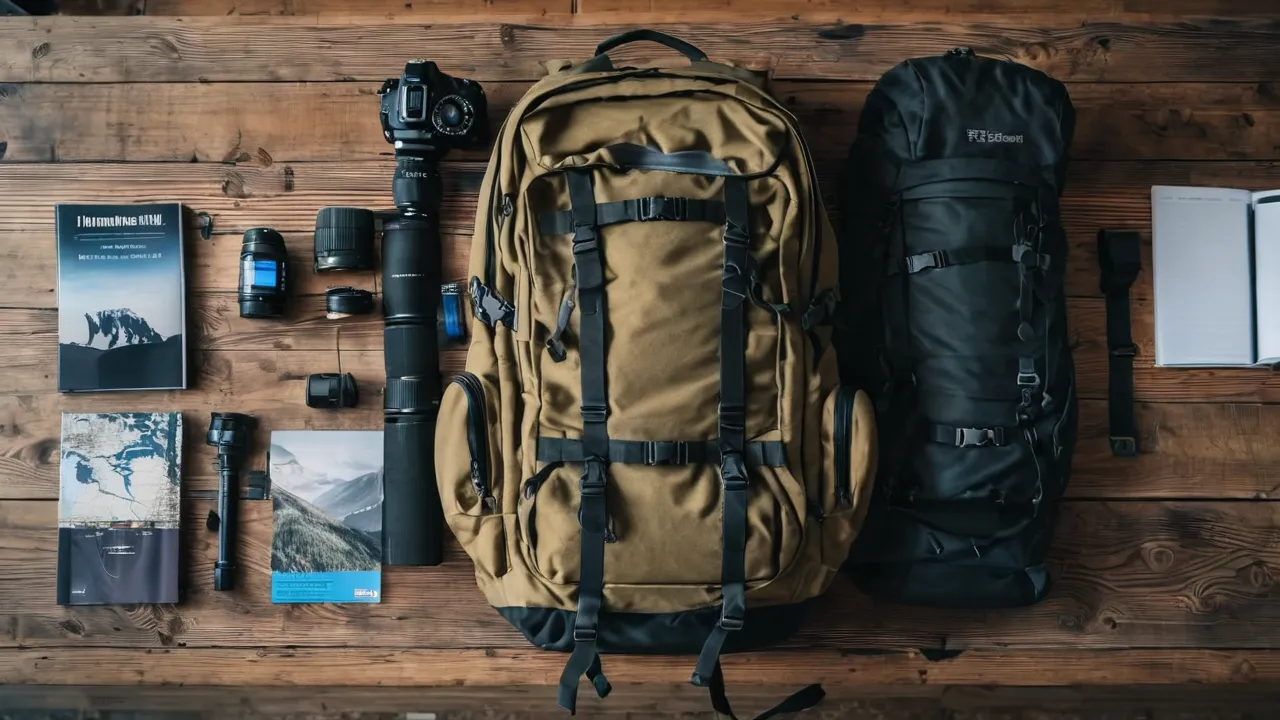
Backpack torso length is the distance from the bony bump at the base of your neck, the C7 vertebra, down your spine to the level of your hip bones. It is the number that picks the right frame size, and it matters more than your height. A pack that is too long or short shifts weight off your hips and onto your shoulders.
Why Torso Length Beats Height
Two people of the same height can have very different torsos and legs. A backpack’s load-carrying design transfers weight to the hip belt, which should sit on top of your hip bones. If the shoulder straps meet the pack in the wrong place for your torso, the belt rides too high or too low and the shoulders end up carrying the load.
Height-based size charts, such as small, medium and large by inches of height, are only rough guesses. Torso length is a measured body dimension and it is what fit systems for backpacks are built around. Many travel packs now offer an adjustable harness that slides to match a range of torso lengths, but you still need your number to set it.
What You Need
Gather a flexible tape measure, such as a sewing tape, and a helper. A rigid metal tape will not follow your spine. Wear a thin shirt so your helper can find bone landmarks, and stand upright in your usual posture. Do not slump or stand too stiff.
You need to find two points:
- C7 vertebra: the prominent bump at the base of your neck. Tilt your head forward and you will feel it stick out.
- Iliac crest: the top edge of your hip bones. Place your hands on your hips with thumbs pointing backward, and the shelf your hands rest on is the crest.
Step List to Measure Yourself
- Stand straight with your head level and your arms relaxed.
- Tilt your head forward and have the helper locate the C7 bump with a finger.
- Place your hands on your hips with your thumbs backward, and have the helper find a line connecting the top of the hip bones across your lower back.
- Run the tape from the C7 bump straight down your spine to that hip line.
- Record the length in inches, then measure twice and average the results.
If you are alone, a tailor’s tape and a mirror can work, but the reading will be less reliable. A helper makes the difference.
Where Brands Start Measuring
Not every brand measures the same way. Some size by the torso length of the person, while others label by the length of the pack’s back panel or by a size letter that maps to a torso range. Some measure from the shoulder strap anchor point rather than from the C7 bump. A few brands print a range in inches for each size, such as a small covering a stated torso range.
Because these systems differ, read the sizing chart on the product page, not the label alone. Check what the chart says it measures. If the brand does not state its start point, assume it uses the C7-to-hip method but confirm in the manual or the Q and A section. If your measurement sits on the border between two sizes, check whether the harness is adjustable and which size offers the larger adjustment range.
Adjustable Versus Fixed Harness
An adjustable harness uses a hook-and-loop panel or sliding track to move the shoulder straps up or down. This helps when two people share a pack and lets you fine-tune fit when you carry different loads. Fixed harness packs are simpler and often lighter, but they are only comfortable if the size is right the first time.
Check the adjustment range on the product page, and make sure your measured torso length falls in the middle of the range rather than at the end. A pack that is at the edge of its range has little room for correction. Our backpack category lists travel packs with harness details you can compare.
Hip Belt Size Matters Too
Torso length is not the only number. The hip belt should wrap around the iliac crest and close with some strap length left. Many packs offer interchangeable belts in a few sizes. If the belt is too small, it cannot close, and if it is too large it rides loose and rotates. Measure your hip circumference at the iliac crest level and compare it to the belt chart.
Women and men can have different torso and hip proportions, so some brands offer gender-specific harnesses. Treat these as shape options, not rules, and choose whichever feels stable once a loaded pack is on.
Common Measuring Mistakes
A few errors account for most bad numbers. The first is measuring along a slouched back. Slumping shortens the distance, so stand tall with relaxed shoulders. The second is finding the wrong top landmark. The C7 bump is the most prominent knob at the base of the neck; if you feel two bumps, the higher one is C7 and the lower is the next vertebra, which can add an inch or two if chosen by mistake. The third is measuring to the waist instead of the hip bone. A natural waist sits above the iliac crest and will give a number that is too short.
A fourth error is ignoring your clothing. Bulky sweaters add thickness that makes the tape ride away from your spine. Measure in a thin shirt, and let the tape follow the contour of your back rather than pulling it straight. If you plan to travel with the pack, browse the wider travel and luggage section to see how packs pair with other bags. Finally, remember that torso length does not change with weight gain or loss the way waist size does, so once you have a reliable number, you can reuse it for any pack from any brand, as long as you check the brand’s start point.
A worked sizing example
Suppose you measure 18.25 inches twice and 18.5 inches once, so you record 18.4 inches. A hypothetical chart, used here only to show the method, lists small as 15 to 17.5 inches, medium as 17.5 to 20 inches and large as 20 to 22 inches. Your number sits in the medium range, about a third of the way up from its lower end, so the medium gives room to adjust either way. If the harness adjusts across the whole range, move the straps to the middle of the track and set the hip belt on your hip bones. If you had measured 17.4 inches, you would sit at the edge of the small range and just under medium, which is a signal to look at the adjustment range and the return policy before you choose.
Always use the brand’s own chart, because ranges and starting points differ, and treat the numbers above as an illustration, not as a real chart.
Check the Result by Wearing the Pack
Even after measuring, put a loaded pack on and confirm the fit. Load it with around ten to fifteen pounds of clothes or books, tighten the hip belt first, then the shoulder straps. The belt should rest on your hip bones with the top edge near the iliac crest. Straps should wrap your shoulders without gaps, and the sternum strap should sit across your chest without pressing your throat. Our guide to fitting a loaded travel backpack covers the adjustments in order, and the how we review page explains how we treat fit claims.
What to Do If You Fall Between Sizes
Many people land between two sizes. The practical rule is to favor the size whose adjustment range contains your number nearer its middle. If neither does, think about your load. A heavier pack benefits from a slightly shorter back panel, because a belt that sits on the hips matters more than strap length. A light day pack tolerates a slightly longer panel because the shoulders share more work. If you are shopping online, check the return policy before ordering, and order the size that your measurement and the brand’s own chart both support, rather than guessing from a review that mentions a different body type.
Who Should Choose Which
Choose an adjustable harness if you are between sizes, plan to share the pack or expect your load to change. Choose a fixed harness if you are comfortably within one size and want a simpler, lighter pack. Skip any pack that gives no torso range at all, since you cannot match it to your measurement.
Frequently Asked Questions
How do you measure torso length for a backpack?
Find the C7 bump at the base of your neck and the top of your hip bones, then have a helper run a flexible tape along your spine between the two points while you stand tall. Measure twice and average the results, and compare the number with the brand’s sizing chart.
Is torso length or height more important for backpack fit?
Torso length, because the harness and hip belt are built around the distance between your neck and hips. Two people of the same height can have different torsos, so a height-based chart is only a rough guide. Use the brand’s own chart, since size ranges differ between makers.
What if I am between backpack sizes?
Choose the size whose adjustment range contains your number nearer its middle, and favor a slightly shorter back panel for heavy loads. Check the return policy before you order, and confirm the fit with a loaded pack. A loaded walk shows quickly whether the belt sits on your hips.
Final Thoughts
Measure from the C7 bump to the hip line, twice, and use the number to read each brand’s chart carefully, noting where each one starts. Torso length beats height, adjustability gives you margin and a loaded trial confirms the fit. Measuring takes five minutes and saves you from a pack that never feels right.
Related buying guides
- Personal Item Size Guide: What Fits Under the Seat
- Rolling Backpack vs Wheeled Duffel for Carry-On Trips
- Travel Backpack Size Guide: Liters for Every Trip Length
About the author

The BuyOnceChoice Editorial Team researches durable products worth buying once. Our guides compare published specifications, warranty terms, expert review consensus, and verified owner feedback. We do not conduct our own product trials. See How We Review and our Editorial Policy for our standards.