Monocrystalline vs Polycrystalline Solar Panels
Monocrystalline panels generally pack more power into less space, and polycrystalline panels are now harder to find. Here is how to decide without guessing.
 By BuyOnceChoice Editorial Team
Updated November 16, 2026
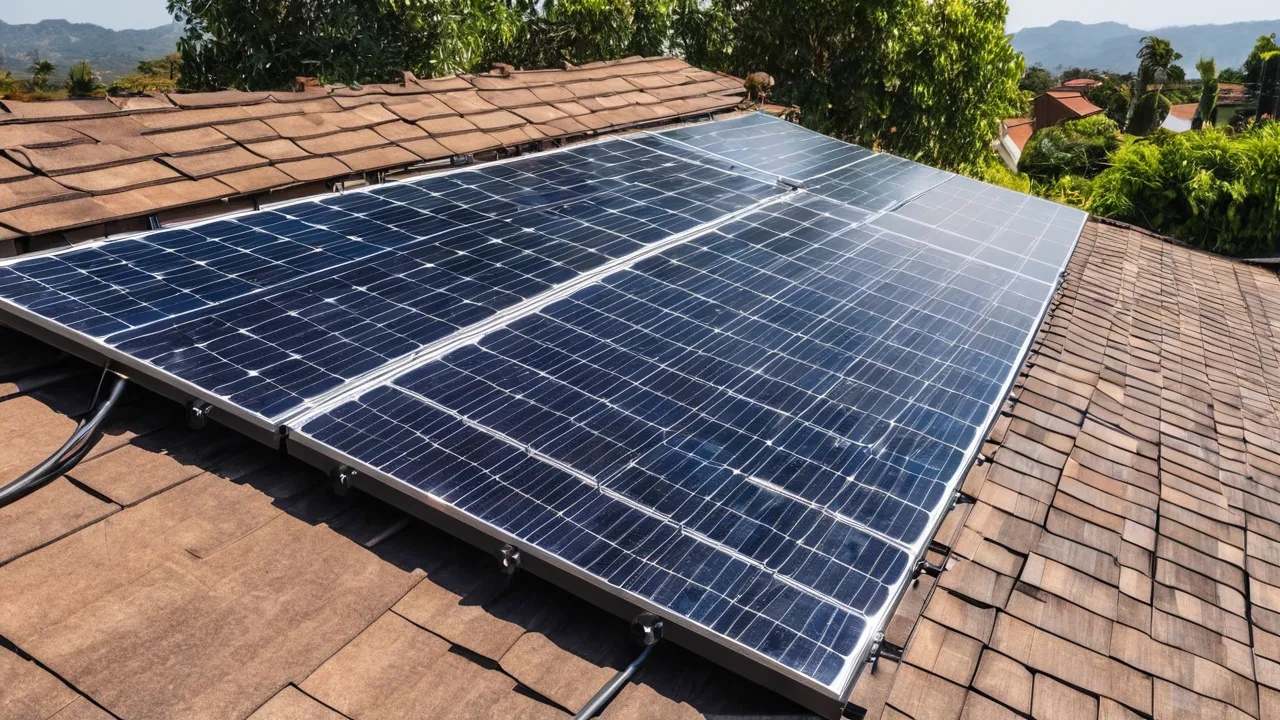
Monocrystalline solar panels are cut from single-crystal silicon, and polycrystalline panels from silicon melted and cast into blocks of many crystals. The practical difference is that monocrystalline panels are usually more efficient, so they make more power per square foot, while polycrystalline panels have historically cost less per watt. Today polycrystalline panels are hard to find in many catalogs, so for most buyers the real choice is among monocrystalline designs.
Sources disagree on lifespan and the price gap, and this guide says where the evidence is thin. It covers what actually differs, how to read a datasheet, and who should pick which. For comparing panels by output and size, see our guide on solar panel efficiency and wattage. Read how we review for how we treat specifications, and visit our power and energy section for related guides.
What Actually Differs Between the Two
The silicon structure is the root difference. Monocrystalline cells are cut from a single crystal grown as a cylinder, which gives a uniform, dark appearance. Polycrystalline cells come from cast silicon with visible grain boundaries, which gives a blue, speckled look. The uniform structure lets electrons move with less resistance, which is why monocrystalline cells tend to convert more sunlight.
Appearance is the most obvious difference, but it should not decide the purchase. Modern monocrystalline panels often come in all-black versions that blend with dark roofs, while polycrystalline panels are mostly blue. Many monocrystalline products now use newer cell designs with names such as PERC, half-cut, or n-type, and these affect efficiency more than the crystal label itself. Compare the numbers on the datasheet, not the marketing term.
Efficiency and Space in Plain Terms
Panel efficiency is the share of sunlight on the panel that becomes electricity under standard conditions. Typical monocrystalline panels sit roughly in the high teens to low twenties percent, while polycrystalline panels have usually been a few points lower. A few points matter when space is short. A more efficient panel makes more watts from the same area, so a small roof or a van roof needs fewer panels for the same output.
If you have plenty of ground or roof area, efficiency matters less, because you can add another panel. Space-limited buyers should compare watts per square foot. Divide the panel’s rated watts by its area in square feet, which you can compute from the length and width in the datasheet, and compare across models.
A Worked Space Example
Suppose you have a roof section that fits about twelve panels of a standard size. If one option is rated near 400 watts per panel and another near 330 watts per panel, the same area gives roughly 4,800 watts versus 3,960 watts. That is a gap of about 840 watts, or around twenty percent more output from the same roof, before any shading or orientation effects. If you could fit twenty panels instead, the more efficient option would matter less, because you could simply buy more of the cheaper one. These figures are illustrations, so replace them with the datasheets you are considering.
Cost, and the Price Gap That Has Narrowed
Historically polycrystalline panels cost less per watt. As manufacturing shifted toward monocrystalline cells, the gap narrowed, and in many markets the difference is small or gone. Polycrystalline is now uncommon in new residential catalogs, though you may still find it in older stock, portable kits, or low-cost products. If a seller offers a polycrystalline panel at a bargain, make sure the price per watt, the warranty, and the shipping and return terms are all clear.
Sources disagree on current price gaps, and prices change often, so check the per-watt cost yourself from current listings or installer quotes. Include mounting hardware, wiring, and installation in the comparison, because the panel is only part of the system cost. Fewer, more powerful panels can reduce racking and labor, which sometimes offsets a higher panel price.
Reading a Datasheet Before You Commit
- Rated power in watts at standard rating conditions, and the tolerance, such as a positive-only tolerance.
- Module efficiency in percent, and the physical dimensions and weight.
- Temperature coefficient of power, a negative percent per degree that shows how much output falls as the panel heats. Smaller is better.
- Open-circuit voltage and short-circuit current, which you need to match an inverter or a charge controller.
- Product warranty and performance warranty terms, including the guaranteed output after a stated number of years.
- Certifications such as UL listing, and fire classification for roof installs.
Treat missing fields as a reason to ask the seller. Datasheets on reputable products are consistent and specific.
A Worked Cost-Per-Watt Comparison
Cost per watt is the price divided by the rated watts, and it is the fairest way to compare panels of different sizes. A smaller panel with a lower sticker price can cost more per watt than a larger one. Compute it for each candidate, then add what each choice does to the rest of the system. A higher-wattage panel means fewer racking rails, fewer connectors, fewer roof penetrations, and fewer hours of labor for the same total power. A lower-wattage panel may cost less to ship and be easier to carry, which helps for portable use.
Check that the panels you compare use the same basis. Some sellers list watts at the panel and others list the total for a bundle with a controller or cables. Also verify whether the price includes shipping, since large panels often ship on freight. Read the return policy, because a damaged panel is difficult to return if the terms are vague.
Installation and Mismatch Notes
Do not mix panel types or very different ratings in the same series string without checking the electrical specifications, because the weakest panel limits the string. If you are adding to an existing array, ask the installer whether the new panels match the voltage and current of the old ones, or whether a separate string or inverter input is needed. Many modern systems use microinverters or optimizers, which reduce the mismatch problem, but they add cost.
Heat, Shade, and Lifespan Questions
Heat reduces output on all silicon panels. Monocrystalline panels often have somewhat better temperature coefficients than older polycrystalline designs, but the difference depends on the specific product. If you live in a hot climate, compare coefficients across the models you are considering. Shade affects both types in a similar way, since cell strings and bypass diodes matter more than the crystal type. See how string layout changes the result before assuming one type handles shade better.
On lifespan, many manufacturers offer long product and performance warranties for both types, and panels commonly keep producing for decades while slowly losing output. Sources disagree on whether one type degrades more slowly, and the answer depends on the product and the maker. Instead of trusting a general claim, read the guaranteed annual degradation rate and the end-of-warranty output in the warranty.
Who Should Choose Which
- Small roofs, vans, boats, and RVs: monocrystalline, for output per square foot.
- Large ground-mount arrays with lots of room: either type, whichever has the lower cost per watt and a clear warranty.
- Hot climates: whichever has the better temperature coefficient on its datasheet.
- Buyers who see a polycrystalline panel on sale: confirm the warranty, certifications, and cost per watt, and check that it is not old stock with a shorter warranty.
Roof and electrical installation should be done by licensed professionals. Follow the manual for any panels you handle, and never work on a roof or live wiring without proper training and safety gear.
Owners tend to regret three things more than the choice of crystal type. The first is buying panels with no clear warranty claims path, which turns a long warranty into a paper promise. The second is skipping a check of the panel’s physical size against the roof layout, so the last panel does not fit. The third is paying extra for a bigger efficiency number that the space did not require. Write down your area, your target watts, and your budget first, and the choice usually makes itself.
Frequently Asked Questions
Are monocrystalline solar panels worth the extra cost?
Usually yes when space is limited, because they produce more power per square foot, and the price gap has narrowed. If you have plenty of room and a low price per watt on a polycrystalline panel with a solid warranty, the cheaper option can make sense. Compare cost per watt and the datasheet, not the type alone.
Do polycrystalline solar panels still exist?
They exist but are much less common, since most manufacturers have moved to monocrystalline cell designs. You may find them in older stock, some portable kits, and low-cost products. If you see one, verify the warranty and certifications and compare the cost per watt against a monocrystalline option.
Which type lasts longer?
Both are commonly warrantied for decades, and neither type has a reliably proven lifespan advantage across all brands. Read the product warranty and the performance warranty, including the annual degradation rate, and favor a maker with a clear claims process. Installation quality and heat exposure often matter as much as the cell type.
Final Thoughts
Monocrystalline panels give more power per square foot and are the default choice in most catalogs, and polycrystalline panels are now a niche, sometimes cheaper option. Decide by your available space, compare cost per watt and the datasheet, and weigh the warranty above the label. Use licensed professionals for installation and wiring.
Related buying guides
- MPPT vs PWM Charge Controllers: Which to Choose
- Rigid vs Flexible vs Foldable Solar Panels
- Roof Mount vs Ground Mount Solar Panels
About the author

The BuyOnceChoice Editorial Team researches durable products worth buying once. Our guides compare published specifications, warranty terms, expert review consensus, and verified owner feedback. We do not conduct our own product trials. See How We Review and our Editorial Policy for our standards.