How to Clean an Air Fryer Without Ruining the Coating
Three habits protect the coating: cool and unplug first, use only soft tools on the basket, and wipe the heating element area by hand.
 By BuyOnceChoice Editorial Team
Updated November 16, 2026
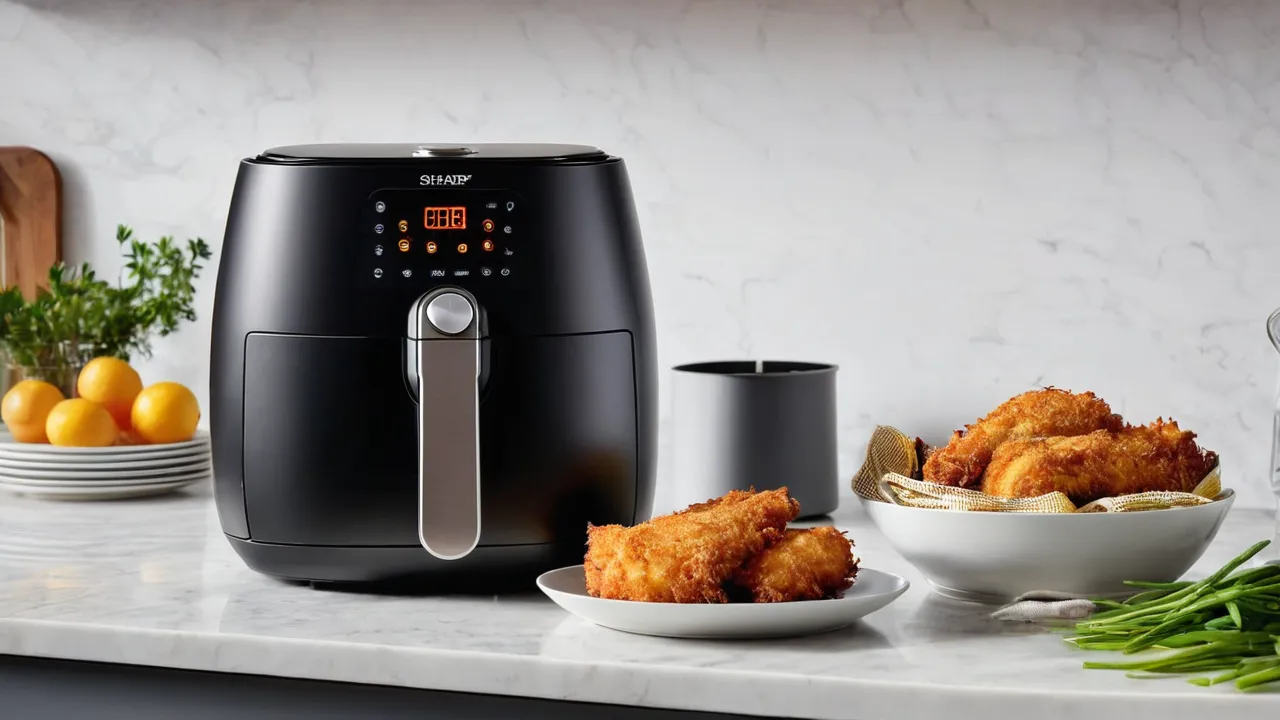
To clean an air fryer without ruining the coating, unplug it and let it cool completely, wash the basket and tray with warm water, a few drops of mild dish soap and a soft sponge, and never use steel wool, abrasive powders or metal utensils. Wipe the heating element area and the inside of the housing with a damp cloth, never submerge the main unit, and dry every part before reassembly. Soak stuck-on residue instead of scraping it.
Most coatings fail from mechanical wear and heat residue, not from age. A basket that gets a quick wash every use will usually outlast one that is scrubbed hard twice a year. The sections below explain which tools and cleaners shorten coating life, how often to clean by food type, and how to care for the part owners forget, the heating element.
Unplug, Cool, and Check the Manual First
Before any cleaning, unplug the unit and wait until the basket, tray and housing are cool to the touch. Hot metal plus cold water can warp thin baskets over time, and it is a burn risk. Cooling also protects the coating itself, since rapid temperature swings stress bonded layers.
Next, check the manual for two things: whether the basket and tray are listed as dishwasher safe, and which parts detach. Some manufacturers allow dishwasher cleaning for the removable parts, others recommend hand washing only. Even when a dishwasher is permitted, many owners find that hand washing is gentler on the coating because detergent tablets and high heat cycles are harsher than a sponge. If the manual says hand wash, follow it, since coating warranties often reference the care instructions.
The main housing, which contains the fan, the control board and the heating element, should never go in water. Treat it like a toaster oven interior: damp cloth only, with the plug out of the wall.
What Shortens Coating Life
Nonstick coatings on air fryer baskets are thin. The common ways owners damage them are predictable.
- Steel wool, scouring pads and abrasive powders scratch the surface. Scratches trap grease, which then bakes on harder next time.
- Metal tongs and forks scrape the basket floor when removing food. Silicone or wooden tools avoid that.
- Aerosol cooking sprays leave a sticky residue that builds into a film. Several manufacturers warn against them in their manuals, so check yours. A brushed or pump-misted oil is easier on the surface.
- Harsh oven cleaners and bleach can attack coatings and leave residue that then heats up with your food. Skip them unless the manual specifically permits a product.
- Leaving food soaking for a long time with strong detergent can lift the finish at the edges.
- Stacking the basket with other pots in the dishwasher or sink lets metal rub against it.
A good rule: if you would not use the tool on a nonstick skillet, do not use it on the basket.
How Often to Clean by Food Type
Cleaning frequency depends on what you cook, not on a calendar.
Lean and dry foods
Frozen fries, vegetables and breaded items release little grease. A wipe or rinse of the basket after each use is enough, with a full wash of the tray when crumbs collect. Crumbs left behind can scorch on the next cycle and create smoke and odor.
Fatty and marinated foods
Bacon, chicken wings, sausages and sugar glazed items leave grease and sticky residue. These need a full wash of the basket and tray after every use. Grease left in the tray can smoke at the next preheat, and glazes with sugar carbonize into a hard film that tempts people to scrape.
Mixed weekly use
If you cook a variety of foods, set a quick routine: wash the removable parts after every fatty cook, and once a week do the housing wipe and the heating element check. Once a month, look closely at the fan guard and air vents for dust or grease build up.
Cleaning Stuck-On Residue Without Scraping
When food has baked on, patience protects the coating. Fill the basket with warm water and a few drops of dish soap, let it sit for fifteen to thirty minutes, then wipe with a soft sponge or a nylon brush. For stubborn spots, a paste of baking soda and water applied with a soft cloth works as a mild abrasive on many surfaces, but check that your manual allows it. A plastic scraper, such as the kind sold for nonstick pans, can lift softened residue without cutting into the finish.
If the coating is already flaking, the safest choice is to follow the manufacturer’s guidance. Many recommend stopping use of a basket with visible flaking and contacting the maker about a replacement basket. A replacement part is often much cheaper than a new appliance, so check parts availability before you buy a model in the first place. The air fryers category covers what we look for in construction.
A Step by Step Wash After Greasy Food
1. Unplug the unit and let the basket and tray cool completely.
2. Remove the basket and tray, and pour out any grease into a container, not the sink drain.
3. Fill the basket with warm water and a few drops of mild dish soap and let it sit for a while.
4. Wipe with a soft sponge or cloth, following the grain of the surface.
5. Rinse, dry with a soft towel and let the parts air dry for a few minutes.
6. Wipe the inside of the housing with a damp cloth that is wrung out, never dripping.
Skip the dishwasher unless the manual lists the parts as safe, since heat and detergent can wear coatings over time.
Heating Element and Fan Care
The heating element sits above the basket, and splatter lands on it. A greasy element smokes, smells and can stain the next batch of food. With the unit unplugged and fully cool, turn it upside down on a towel if the manual permits, or use a flashlight to look up into the cavity. Wipe the element with a damp, well wrung cloth or a soft brush, working gently so that you do not bend the coils. Do not spray liquid cleaner into the housing.
Pay attention to the area around the element and the rear vents. Cooking oil can mist upward and collect on the fan guard. A cotton swab or a soft toothbrush clears the slots. If you see a burnt smell after cleaning, it usually means leftover residue is heating off, and a short empty run after everything is dry will confirm it. If smoke continues, stop and consult the manual.
Do not use compressed air or a hair dryer to dry the interior, because moisture and dust can push toward the controls. Air drying with the basket removed is the safest approach.
Drying, Reassembly, and Storage
Water trapped under the basket handle or in the tray seams causes rust and odors. Dry each part with a soft towel, then let them air dry for a few minutes before reassembly. Do not store the unit with the basket sealed in damp.
Parchment liners and silicone pots can reduce cleanup, but they bring their own rules. Liners must be weighed down by food so they do not lift into the element, and they should never cover the air vents. The best dual air fryer roundup notes which designs have easy to remove baskets.
Mistakes That Damage Coatings
- Washing a hot basket in cold water, which can warp thin metal.
- Using steel wool, abrasive powders or metal tools.
- Soaking the housing or letting water reach the control area.
- Using aerosol cooking sprays when the manual advises against them.
- Leaving grease to bake on for days.
- Storing the unit with a damp basket and a closed drawer.
A soft sponge, warm soapy water and a routine after greasy foods avoids most of these.
Safety Notes
Always unplug before cleaning, and never immerse the main body. Make sure the cord, plug and outlet stay dry. Plug the unit directly into a grounded outlet, not into an extension cord, unless the manual says a specific cord is acceptable. If you notice a damaged cord, a cracked housing or a persistent burning smell, stop using the unit and contact the manufacturer. Follow the manual for any part that is not listed as removable.
Frequently Asked Questions
Can you put an air fryer basket in the dishwasher?
Only if the manual says the basket and tray are dishwasher safe. Even then, hand washing with a soft sponge is gentler on the coating and tends to extend its life. Never put the main housing in the dishwasher or in water, since it contains the heating element and controls.
How do you clean grease from an air fryer?
Unplug the unit and let it cool, then soak the basket and tray in warm soapy water and wipe with a soft sponge. For the housing, use a damp cloth. Wipe the heating element only when unplugged and cool, and check the rear vents for oil mist. Clean after greasy cooks.
Can I use baking soda to clean an air fryer?
A paste of baking soda and water is mild and sometimes used for stuck residue, but check the manual first and avoid scrubbing hard. Use a soft sponge and rinse well. Skip abrasive powders and steel wool, which scratch nonstick coatings.
How often should I clean my air fryer?
Wash the basket and tray after every greasy or sticky cook, and give lean foods a quick wipe. Once a week, wipe the housing and check the heating element and vents when unplugged and cool. Cleaning promptly prevents baked on residue and smoke.
Final Thoughts
A coating lasts longest when you use the softest tool that works, clean after greasy foods immediately, and never let residue bake on layer after layer. Match your frequency to what you cook: wipe lean foods, wash fatty ones every time, and give the housing and heating element a weekly look. If you are shopping, favor models with removable, easy to reach baskets and a parts supply, then read how we review to see how we weigh serviceability. If your coating is already damaged, ask the maker about a replacement basket before replacing the whole appliance.
Related buying guides
- Preheating an Air Fryer: When It Matters
- Rotisserie Air Fryers: Are They Worth the Extra Space
- Air Fryer Accessories Worth Buying and Ones to Skip
About the author

The BuyOnceChoice Editorial Team researches durable products worth buying once. Our guides compare published specifications, warranty terms, expert review consensus, and verified owner feedback. We do not conduct our own product trials. See How We Review and our Editorial Policy for our standards.