Puncture Resistant Soles: Steel Shank vs Plate vs Kevlar
A puncture plate sits in the sole to stop sharp objects. It is not the same as a shank or a toe cap. Here is how each part works and what to look for.
 By BuyOnceChoice Editorial Team
Updated November 16, 2026
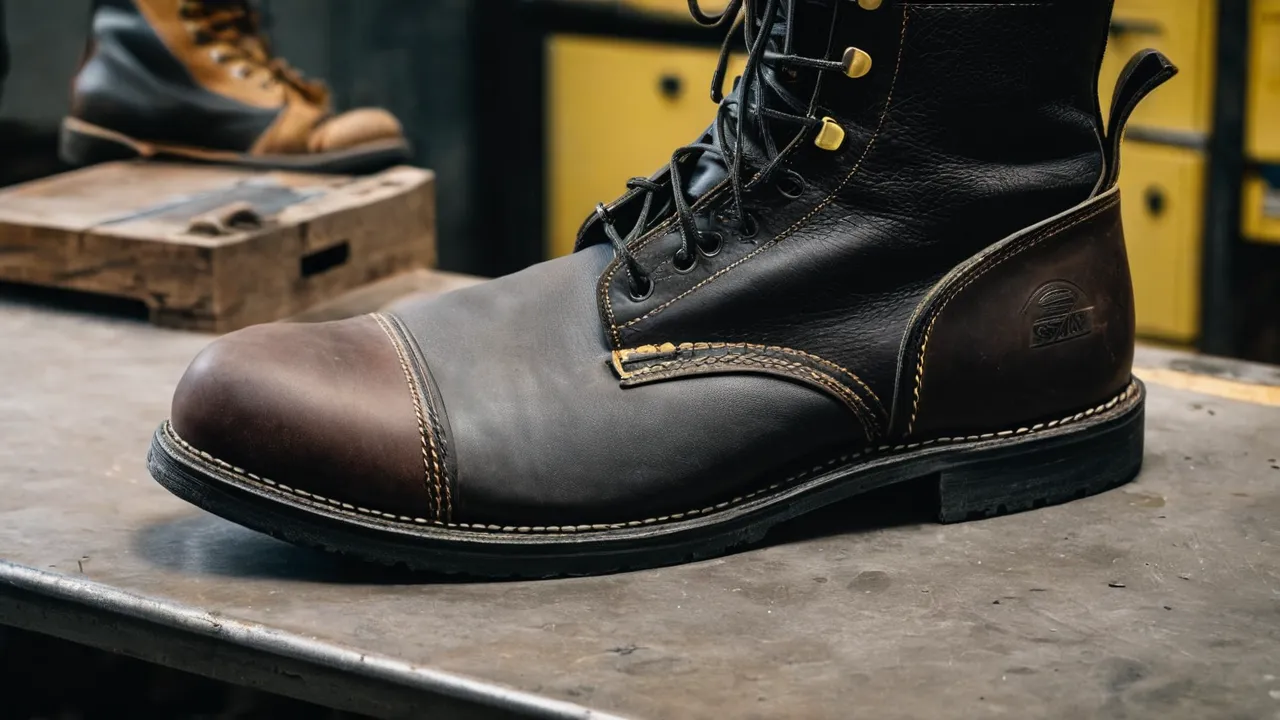
A puncture resistant work boot has a plate built into the sole, marked PR on the safety label, designed to resist sharp objects such as nails. It is a separate component from the shank and the toe cap. A steel toe or composite toe gives no puncture protection at all, and a stiff shank alone does not count as a puncture plate. If nails, rebar, scrap or sharp debris are on your site, check for the PR marking and ask what the plate covers.
Three parts people confuse
Boots use several hidden components, and sellers use the words loosely. The safety toe cap sits at the front of the boot and handles impact and compression. The shank is a stiff piece in the arch area, usually between the insole and the outsole, that supports the arch and prevents the boot from bending in the middle. The puncture plate is a layer that spans the sole area under the foot and is designed to resist penetration.
A boot can have a shank without a puncture plate and a puncture plate without a shank. Some boots use a plate that also supports the arch, which blurs the line. The marking on the label is the reliable guide, not the description in a product listing.
What the PR marking means
Protective footwear that meets ASTM F2413 and includes puncture protection carries a PR marking on its label. That marking shows the boot is designed to resist sharp objects through the sole. It does not mean the boot is immune to all penetration. A nail that enters at the edge of the boot, near the sidewall, may bypass the plate, and an extremely sharp or large object can overcome it.
Check where the plate sits. Full length plates cover more of the sole, while shorter plates cover less. Ask the manufacturer for coverage details, since two PR boots can protect different areas. The label may also say whether the plate is metal or non metallic. Consult the manual for exact coverage, since details differ between models.
Steel plates versus non metallic plates
| Material | Typical benefit | Typical trade-off |
|---|---|---|
| Steel | Thin, often strong, familiar | Heavier, conducts cold, may trigger metal detectors |
| Woven synthetic fabrics | Lighter, flexible, no metal | May be thicker, coverage varies by design |
| Composite sheets | Non conductive, moderate weight | Bulk and cost vary |
Steel plates are common and thin, but they add weight and conduct cold. Non metallic plates, built from woven synthetic fabrics or composite sheets, add less weight and are more flexible, which can improve comfort over long shifts. Which one is better depends on the hazard and the job. Look for the PR marking regardless of the material.
Why toe caps give no puncture protection
This is the most common misunderstanding. A safety toe covers the front of the boot above the toes. It does nothing for the sole. A nail stepped on from below passes directly into the foot unless the sole contains a puncture plate. Many buyers assume that a steel toe boot is a safety boot in every direction, and the label shows otherwise. Read the full marking and look for each category you need, including electrical hazard or metatarsal protection if relevant. Our work boots guides walk through these categories.
How a puncture plate is built into a boot
In most designs the plate sits between the insole and the outsole, under the foot. Some designs place it above the midsole, and a few integrate it into the insole assembly. The plate needs to stay flat and anchored, because a plate that shifts or buckles loses coverage. For that reason, repairs that open the sole, such as a full resole, can affect the plate. Ask the maker or the repair shop whether the plate can be preserved or replaced, and whether the boot still meets the original marking after the repair.
A thick, cushioned midsole adds a layer between the plate and the foot, which improves comfort over long hours on hard ground. A thin sole may bring the plate closer to the foot and can feel firmer. These details rarely appear on the product page, but they affect comfort on a full shift.
Reading a tag and a listing
Look at the sewn in tag first. The standard line lists the protection categories, and PR appears there if the boot includes a plate. A listing that says “puncture resistant” without showing the tag or naming the standard should be treated as unconfirmed, because the phrase is sometimes used to describe a thick sole or a stiff shank. Ask the seller for a photo of the tag, or contact the maker.
Next, compare listings that mention a plate by name. Some describe a full length plate, some a forefoot plate, and some a plate that is part of the insole board. A longer plate covers more of the sole but adds stiffness. A shorter plate keeps flex but leaves more area uncovered, so match the coverage to the hazard on your site. If you work on roofs and decking, where nails stand upright near the edge of the sole, coverage matters as much as the marking.
Finally, check how the boot is built. A well finished edge, a protective rand and a firm sidewall keep nails from entering at the edge of the sole. A plate does little if the sole edge is soft and thin, so look at the whole sole, not just the plate.
Trade-offs to expect
- Weight: a plate adds some, especially full length steel.
- Flexibility: plates stiffen the forefoot and reduce natural flex.
- Cold: steel conducts, so winter work may call for insulated builds.
- Insoles: replacing the insole can change how the foot sits relative to the plate.
- Resoling: some repairs can alter or remove the plate, so ask first.
These trade-offs are why people on sites without sharp object hazards often skip the plate. Where the hazard exists, the weight is a reasonable cost.
Fit and comfort notes
A plate stiffens the forefoot, so check how the boot flexes at the ball of the foot. Plates that are too rigid can cause pressure at the toe joint or fatigue in the arch. Look for boots with a rocker shaped sole or a flex zone built into the design, and take short walks on a firm surface when you try them on. If the stiffness hurts rather than just feels firm, try another model.
Some people with foot pain, flat feet or plantar discomfort find stiff soles help, while others find them harder to tolerate. That varies by person, and a clinician is the right source for medical advice.
Who needs puncture protection
Roofers, framers, demolition workers, yard and scrap workers, and anyone who walks on debris with exposed nails should consider PR boots. So should people doing cleanup after storms, renovation work and some farm tasks. Office to field roles that rarely step on debris may not need one. Your employer or safety officer can tell you what applies to your site, and how we review explains how we treat these claims. For more footwear guides, see our clothing and footwear section.
Always follow the manual and the standard your workplace requires. Replace boots after any puncture event even if the foot was not injured, since the plate may be bent or compromised. This guide is general information, not occupational advice.
What to ask before you buy
- Does the label list PR, and is the marking printed inside the boot?
- What material is the plate, and how much of the sole does it cover?
- Can the boot be resoled with the plate preserved?
- What is the weight of the pair?
- Is the plate designed to work with the stock insole, and can I use my own insole safely?
A short email to the maker can settle these questions. A clear answer is a good sign. Vague answers suggest the feature is a marketing line, not a specification. Also look at the rest of the boot, since a puncture plate does not help much if the upper is thin and the sidewalls are weak. Look for a reinforced welt or a protective rand around the base of the boot, which cover the edge region where a plate may not reach.
Frequently Asked Questions
Does a steel toe boot protect against nails in the sole?
No. A steel toe cap covers only the front of the boot. Protection against sharp objects through the sole requires a puncture plate, marked PR on the label. Check the full marking for each category you need, and follow your employer’s requirements.
Is a steel shank the same as a puncture plate?
No. A shank supports the arch and stiffens the middle of the boot, but it is not designed to resist penetration across the sole. Look for the PR marking and ask the maker how much of the sole the plate covers.
Are non metallic puncture plates as good as steel?
They can meet the same PR marking, so the marking is the guide, not the material. Non metallic plates are often lighter and more flexible, and steel plates are thin and familiar. Coverage and comfort vary by design, so compare the label and ask the maker.
Can I resole boots that have a puncture plate?
Sometimes, but a resole can affect the plate or the marking. Ask the maker or the repair shop in writing whether the plate can be kept intact, and check with your safety officer if the boots must stay compliant with a workplace rule.
Final Thoughts
A puncture plate is a distinct safety feature. Do not assume a toe cap or a shank gives it. Check for the PR marking, ask about coverage and material, and accept some added weight if sharp objects are a real hazard on your site. If they are not, you can skip the feature and enjoy a lighter, more flexible boot.
Related buying guides
- Rubber Boots vs Leather Work Boots for Wet Jobs
- Safety Toe vs Soft Toe Boots: When Each One Is Enough
- Side Zipper vs Lace Work Boots: Durability Trade Offs
About the author

The BuyOnceChoice Editorial Team researches durable products worth buying once. Our guides compare published specifications, warranty terms, expert review consensus, and verified owner feedback. We do not conduct our own product trials. See How We Review and our Editorial Policy for our standards.