Robotic Pool Cleaner Lifespan and Repair Costs
Learn which robotic pool cleaner parts wear first, how pool chemistry and storage change lifespan, and a repair or replace rule using warranty and parts access.
 By BuyOnceChoice Editorial Team
Updated November 16, 2026
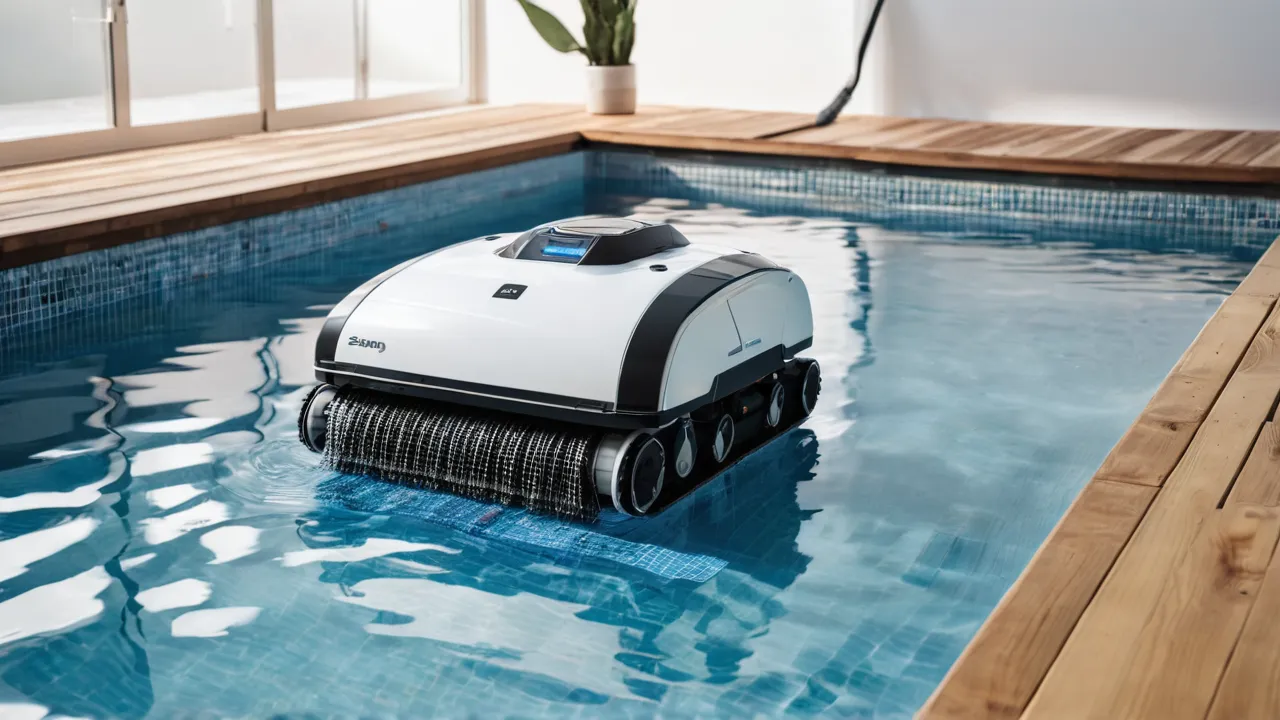
Robotic pool cleaners commonly last about three to five years with regular care, and some run longer when the pool stays clean and the unit is stored out of the sun. Lifespan is set less by calendar time than by wear parts, the motor and power supply, and whether repair parts and service are still available when something fails.
Wear Parts That You Will Replace
Several parts are expected to wear and cost far less than a new cleaner. Brushes or rollers wear down from pool surfaces and chemicals. Tracks or wheels lose grip and eventually slip. Filter baskets, cartridges or bags crack or clog permanently. Seals and O-rings dry out and leak. Swivel cables on the power cord stiffen and twist.
Replacing these on schedule keeps a cleaner running longer and is cheaper than waiting for a failure. Check the manual for the interval the maker suggests and inspect these parts at the start of each season.
Parts That End the Cleaner’s Life
The parts that actually end the life of a cleaner are the motors, the circuit board and the power supply. A drive motor or pump motor that fails often means an expensive repair, and water getting into the housing through a failed seal can ruin a board. Cables that crack and let water into the connector can also cause failure.
When an older model loses a main board or motor and parts are unavailable, replacement is usually the answer. Manufacturers also stop supporting older models after a few years, which shortens practical life even if the cleaner still runs.
Pool Conditions and Storage
Pool conditions change how fast a cleaner wears. Rough plaster and sharp tile edges wear tracks and brushes faster than smooth vinyl or fiberglass. Heavy debris, such as leaves, acorns or sand, forces the pump to work harder and fills the filter faster. High chlorine or salt levels can break down rubber and plastic over time, so keep chemistry in range.
Storage matters too. Leaving a robot in the pool all season or in direct sun degrades plastic and rubber. Rinse it after use, let it drain and dry, coil the cord without kinks and store it in shade or a garage. Never leave it running dry on the deck.
Repair Versus Replace
Use a simple rule to decide:
- Repair if the fix is a wear part, a cord, a filter or a seal and the unit is under five years old.
- Compare the repair quote to the price of a comparable new unit, and replace if the repair costs more than about half the replacement cost.
- Replace if the unit is old, needs a motor or main board and parts are no longer sold.
- Check warranty first, since some brands cover motors or power supplies for a set period.
What Affects Repair Costs
Repair costs depend on which part failed, whether the maker sells the part directly, labor if you use a technician and shipping weight. Cheap fixes include brushes, tracks, filter baskets and seals, which many owners replace themselves. Expensive repairs include motors, circuit boards and power supplies, where the cost approaches a new low-end unit. Parts availability varies by brand, so check that spare parts are sold to consumers before you buy.
How to Make a Cleaner Last
- Clean the filter after every run.
- Inspect brushes, tracks and seals each season.
- Keep pool chemistry in range and avoid shocking the pool with the robot running.
- Remove the unit from the pool when not in use.
- Store in shade and dry after each use.
- Handle by the handle, not by the cord.
- Keep the power supply dry and away from the pool edge, and follow the manual on placement.
Who Should Repair and Who Should Replace
Repair if you have a newer unit with an inexpensive wear part failure, the brand supplies parts and you are comfortable following the manual. Replace if the cleaner is older, the failure involves a motor or board, parts are scarce or a new model fits your pool better. For power supply faults, follow the manual and consider a qualified pool technician instead of opening sealed electrical parts yourself.
See the pool cleaners category, the wider lawn, garden and outdoor guides and How We Review.
Signs a Cleaner Is Near the End
Watch for patterns rather than one bad run. A cleaner that stops partway through a cycle, loses suction or stops climbing walls is telling you something. Common warnings include:
- Slow or uneven movement, grinding noises or a tracks slipping on clean surfaces.
- Error codes that return after cleaning the filter and resetting the unit.
- Water inside the housing, fogged windows on the unit or corrosion at the cable connector.
- A power supply that overheats, hums or shows damage to the cord.
- Frequent cycle interruptions after a restart.
Any one of these can be a simple fix. When two or three show up on a unit past its fourth year, plan to replace rather than chase repairs.
A Worked Repair or Replace Decision
Suppose your cleaner is four years old and the drive motor stops. You request a quote and find the repair would cost more than half of a comparable new cleaner. Under the rule above, replace it. Now suppose the same cleaner needs new tracks and a brush, which are inexpensive wear parts you can install yourself. Repair, since the rest of the machine is fine and the cost is a small fraction of a new unit.
A third case: a two year old unit has a failed power supply and is under warranty. Contact the maker before paying for repair, since power supplies are often covered and shipping may be free.
Questions to Ask Before Buying for Longevity
Look at what the maker publishes rather than assuming. Does the brand sell brushes, tracks, filters and power supplies directly to consumers? Is the warranty clear about coverage of the motor and the power supply? Does the cleaner have a swivel cable that resists tangling, and is the filter easy to open and rinse? A cleaner built with replaceable parts and a clear parts catalog will usually outlast one that is cheap upfront but disposable when a part fails.
Match the cleaner to your pool surface as well. Wall climbing models designed for vinyl, plaster or tile wear differently, and the wrong tracks or brushes shorten service life. Read the manual for the pool types it supports and the maximum pool length it can clean.
Seasonal Routine
At opening, inspect the cleaner, check brushes and tracks, rinse the filter and make sure the cable swivel turns freely. During the season, rinse after each run. At closing, deep clean the filter, let the unit dry fully and store it indoors or in shade away from chemicals. Winter storage out of freezing temperatures protects seals and the electronics. This routine takes about ten minutes and does more for lifespan than any repair.
Warranty, Parts and Support
Warranty length varies by brand and by part, so read the terms rather than relying on a headline number. Ask whether the motor, the power supply and the cable are covered, whether shipping is included and whether registration is needed. After the warranty ends, support quality decides how long the cleaner stays useful. A brand that sells brushes, tracks, filters and a replacement power supply directly lets you keep the cleaner going, while a brand with no parts forces replacement at the first big failure.
Keeping a Simple Log
Write the purchase date and the dates of filter, brush and track changes on the inside of the storage cover or in a note on your phone. A log makes the repair or replace decision easier, because you know the age of the unit and what has already been replaced. It also helps with warranty claims, since you can show the cleaner was maintained as the manual describes. Add the model and serial number so you can order the right parts.
Frequently Asked Questions
How often should I replace a robotic pool cleaner?
Most owners replace one every three to five years, though careful use can stretch that. Replace sooner if the motor or main board fails and parts are scarce, or if the repair quote is more than about half the price of a new unit.
Can you repair a robotic pool cleaner yourself?
You can usually replace brushes, tracks, filter baskets and seals following the manual. Avoid opening sealed motor or circuit board housings, since water damage and electrical hazards are real. Contact the manufacturer or a qualified technician for motor, board and power supply problems.
Does leaving a robotic cleaner in the pool shorten its life?
Yes. Constant exposure to chlorine, salt and sun wears plastic, rubber and seals faster. Remove the cleaner after each run, rinse it, let it dry and store it shaded. This simple habit protects the brushes, tracks and housing.
Is a warranty worth checking before buying a robotic pool cleaner?
Yes. Read what it covers, how long it lasts and whether motors and power supplies are included. Also check that replacement parts are sold directly, because a cleaner with no parts supply becomes disposable after the first major failure.
Final Thoughts
Expect a few years of service, replace wear parts on schedule and decide repair or replace by comparing the quote to a new unit. Store the cleaner dry and shaded, keep pool chemistry balanced and follow the manual for any electrical part.
Related buying guides
- Robotic vs Suction vs Pressure Pool Cleaner
- Cordless vs Corded Robotic Pool Cleaner: Trade Offs
- Pool Cleaner Buying Mistakes: Filters, Surfaces, Pump Fit
About the author

The BuyOnceChoice Editorial Team researches durable products worth buying once. Our guides compare published specifications, warranty terms, expert review consensus, and verified owner feedback. We do not conduct our own product trials. See How We Review and our Editorial Policy for our standards.