Pool Cleaner Buying Mistakes: Filters, Surfaces, Pump Fit
Most pool cleaner regrets come from mismatches: pool type, filter size, surface and pump. Use this checklist to avoid buying the wrong cleaner.
 By BuyOnceChoice Editorial Team
Updated November 16, 2026
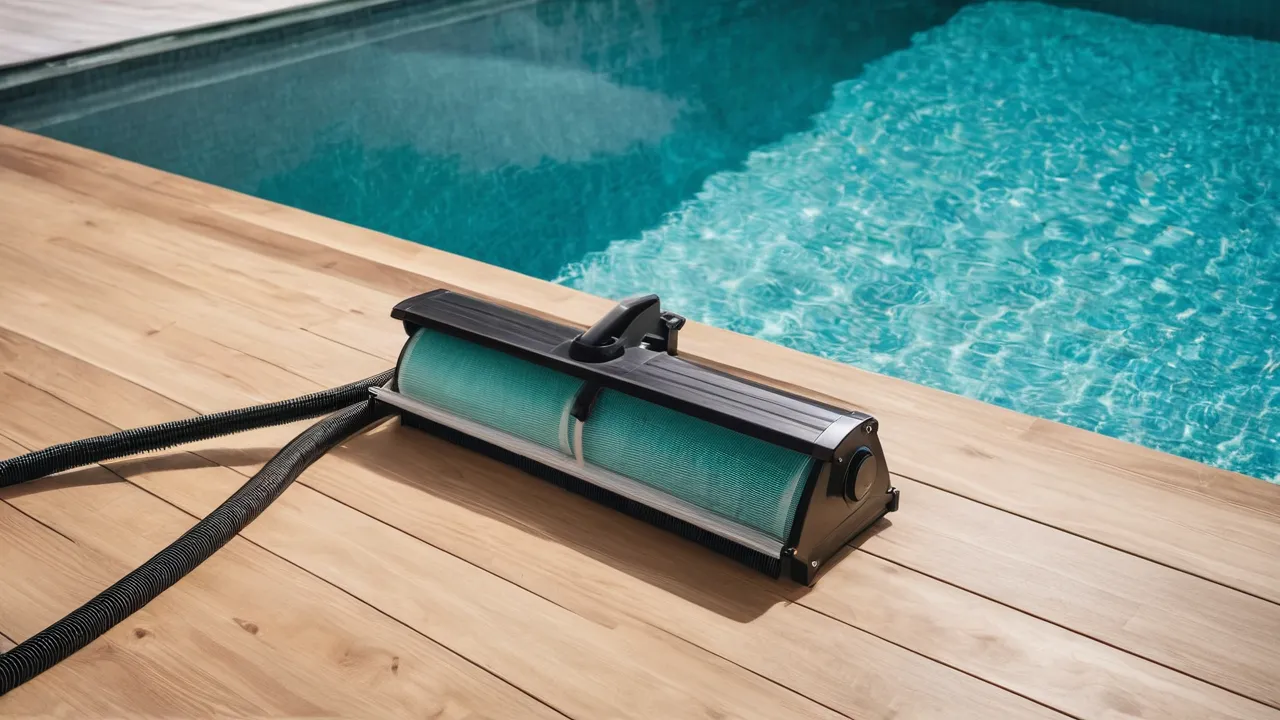
The most common pool cleaner mistakes are buying the wrong cleaner type for the pool, ignoring surface compatibility, choosing a filter that clogs on your debris, assuming a suction or pressure cleaner fits your pump and forgetting runtime, cable and storage details. Check pool shape, surface, debris and pump specifications against the product page before you buy.
Mistake one: choosing a type before looking at the pool
There are three main families. Suction side cleaners hook to the skimmer or a dedicated line and use the pool pump’s suction. Pressure side cleaners use a return line and often a booster pump, and carry their own debris bag. Robotic cleaners run on their own motor and filter and do not depend on the pump. Each has strengths: suction models are simple and low cost, pressure models handle larger debris like leaves and acorns, and robots filter finely and save pump wear.
The mistake is picking one by price or brand before checking whether the pool and equipment suit it. A small pump may not drive a suction cleaner properly, and a pool without a dedicated line may need an adapter. The fix: start with the pool, the pump and the debris, and choose the type that fits.
Mistake two: ignoring pool shape and surface
Brushes, wheels and tracks are matched to surfaces. A robot built for tile and plaster may scratch or slip on vinyl. A cleaner that climbs walls may not climb steep or curved walls. Features such as waterline cleaning are not available on all models. Ask whether the cleaner is designed for a pool that is only partly sunlit or heavily shaded, since algae and debris patterns differ. Check the product page and manual for supported surfaces, shapes and wall angles, and for steps or benches that can trap a cleaner. In pools with a deep, sloping floor, compare coverage claims against your actual layout by reading what the maker says, not by assuming.
Irregular pools, coves and tight corners are the hardest. The fix: choose a cleaner with navigation that handles obstacles, and expect small spots to need a manual brush.
Mistake three: the wrong filter for your debris
Filters decide how often you must stop and clean. A fine cartridge or mesh catches silt, dust and pollen but clogs quickly in a leafy pool. A coarse basket handles leaves and twigs but lets fine dirt pass. The fix: match the filter to your debris. If you have trees overhead, favor a large basket or a leaf specific setting. If your pool collects silt and pollen, favor fine filtration.
Look at the filter’s size, how it opens and how easy it is to rinse. A hard to empty filter becomes a chore that you skip. Spare filters and replacement parts should be sold by the maker, and it helps to own a second filter so you can swap one while the other dries, which keeps the cleaner running on busy weeks. Also check whether the filter can be rinsed in place or must be removed, since wet leaves in a stuck basket make the job messy.
Mistake four: assuming pump compatibility
Suction and pressure cleaners depend on the pool’s circulation system. Check your pump’s horsepower and flow, the pipe size, whether you have a dedicated cleaner line and whether the skimmer can accept the hose. Suction cleaners need steady flow and a clean basket, and a weak pump gives poor movement. Pressure cleaners may need a dedicated booster pump, which adds cost and an electrical connection that should be installed by a licensed electrician. Variable speed pumps need the right settings for a cleaner, and the maker lists the minimum flow.
The fix: confirm pump horsepower, flow, line and skimmer details against the maker’s requirements before buying. Robotic cleaners bypass this problem, but they need a power supply and a safe outlet. Check the electrical details and the cable length.
Mistake five: forgetting runtime, cord and storage
A robot with a short cable may not reach the far end, and a cordless one may not finish a large pool on one charge. The fix: compare cycle time, cable length and stated area against your pool. Consider where the cleaner will live between uses, since heavy robots need a caddy or a shelf, and leaving a unit in the water all day shortens its life. A cordless model must be charged away from water, and a corded one needs a power supply with proper protection. The cordless versus corded trade offs deserve a separate read before you decide.
Mistake six: skipping upkeep and chemistry
A cleaner does not replace balanced water or a working pump and filter. Poor chemistry shortens brush and seal life, and algae overwhelms any cleaner. Follow the maker’s guidance on chemical levels and on shock treatments, rinse the unit after use and clean filters regularly. Replace worn tracks, brushes and gaskets on schedule. The fix: make upkeep part of the plan before you buy, not after.
Before You Buy: A Checklist and Final Checks
Pre purchase checklist
- Pool surface, shape, wall angle and size noted.
- Debris type listed: leaves, silt, pollen or sand.
- Pump, line and skimmer details checked for suction or pressure types.
- Filter size and ease of cleaning compared.
- Runtime, cable or battery and charging checked.
- Warranty, replaceable parts and service access confirmed.
Reading the manual and product page before you commit
Product pages usually list the size, weight, filter details, cable length or battery and supported surfaces. They often leave out the details that decide fit, such as minimum pump flow or whether an adapter is needed for your skimmer. Open the manual online before buying. Look for the sections on installation, pump requirements, pool types and maintenance, and for the list of consumable parts and where to get them. If the manual is not available, that is a warning sign.
Check also how the maker describes coverage and cycle time, and read what the warranty excludes, such as damage from chemical misuse or running the cleaner out of water. Keep the receipt and register the product if the maker requires it.
Cost over time
The purchase price is a part of the cost. Count replacement brushes, tracks, filters, hoses, wear parts, a booster pump for a pressure model, the electricity a robot or pump uses and the time you spend on cleaning the filter. A robot that filters fine debris may reduce chemical use and pump run time, which offsets some cost, though results depend on your pool. A cheap model with unavailable parts is a poor bargain, and so is an expensive one if the maker has a record of dropping support for older models quickly. Ask what typical wear parts the maker lists and how long they usually last in homes like yours, then confirm with the maker.
When a cleaner is not the answer
If water is cloudy or green, the filter is dirty or circulation is poor, a cleaner will not fix it. Check the pump run time, the skimmer and the filter, and balance the water first. If your pool has heavy leaf fall, a skimmer net and a pool cover during the season may help more than a stronger cleaner. If you have a very large or oddly shaped pool, a professional service plus a robot may be better than a single machine.
A Quick Example of Matching
Imagine a vinyl pool under a large oak with an older single speed pump. Leaves are the main debris, so a large basket or a pressure style cleaner with a debris bag is worth a look, a surface rating that includes vinyl is a must, and the pump has to meet the stated flow. A robot with a fine cartridge may clog fast with leaves unless the maker describes a leaf mode. Walking through your own pool like this, line by line, catches most mismatches before you pay.
Frequently Asked Questions
What is the biggest mistake when buying a pool cleaner?
Choosing a type before checking the pool and equipment. Suction, pressure, and robotic cleaners suit different pumps, debris, and surfaces. Start with your pool’s shape, surface, debris, and pump details, then pick the type that fits, and confirm compatibility in the manual.
Will a robotic pool cleaner work with any pool?
Not automatically. Check supported surfaces, wall angles, steps, and maximum area on the product page and manual, plus cable length or battery runtime. Irregular pools and tight corners are hardest, so expect to brush small spots by hand even with a capable robot.
How do I know if a suction cleaner fits my pump?
Check your pump’s horsepower and flow, pipe size, and whether you have a dedicated cleaner line or a skimmer that accepts the hose. The maker lists minimum flow for the cleaner. A weak pump gives poor movement, and variable speed pumps may need specific settings.
Does a pool cleaner replace water chemistry and filtration?
No. A cleaner does not fix cloudy or green water, a dirty filter, or poor circulation. Balance the water and check the pump, skimmer, and filter first. Follow the maker’s chemical guidance, since poor chemistry shortens the life of brushes, seals, and tracks.
Final Thoughts
Buying a pool cleaner goes well when you start with the pool, not the product. Match type to the pool and pump, filter to the debris and surfaces to the brush, and then compare cable, runtime and warranty. See the pool cleaners category, the lawn garden and outdoor hub and How We Review.
Related buying guides
- Pool Cleaner Size Guide: Pool Shape and Cable Reach
- Robotic Pool Cleaner Lifespan and Repair Costs
- Robotic vs Suction vs Pressure Pool Cleaner
About the author

The BuyOnceChoice Editorial Team researches durable products worth buying once. Our guides compare published specifications, warranty terms, expert review consensus, and verified owner feedback. We do not conduct our own product trials. See How We Review and our Editorial Policy for our standards.