How to Choose a Travel Backpack for Your Trip Style
Rank pack features by trip style, from one-bag travelers to hotel-based vacationers, so you pay for the features that matter and skip the ones that do not.
 By BuyOnceChoice Editorial Team
Updated November 16, 2026
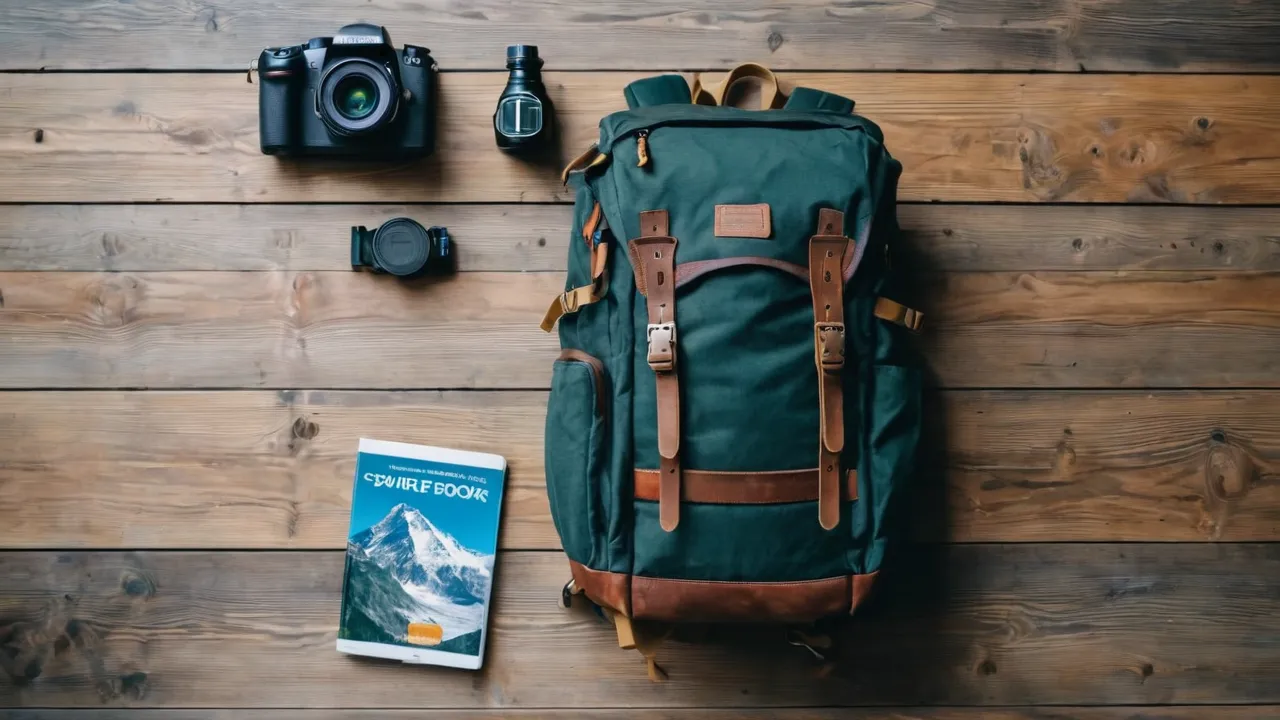
To choose a travel backpack, rank the features by how you travel: one-bag travelers should put harness fit and weight first, hotel-based travelers should put access and organization first, and people who check a pack should put durability and straps that tuck away first. Every pack has trade-offs, and the best choice is the one that matches your trip style. This guide gives you a ranked list for each style and a way to avoid the common regrets of overpacking and poor fit.
Pick your trip style first
Travel backpacks serve three broad styles. One-bag travelers carry everything on their back, often for weeks, and want a pack that is light and comfortable. Hotel-based travelers use a pack for flights and day outings and want easy access. Multi-stop travelers move between cities by train and bus and want a pack that handles transit and storage.
Name your style before you shop. The style tells you which features matter and which are noise. A feature that helps a one-bag traveler, such as a hip belt, may be unnecessary for a hotel-based traveler who carries a small load.
Also consider how often you will use the pack. A pack for one trip each year can be simpler than a pack that you use for months. If you travel a great deal, put more weight on durability and repairability.
Rank the features by trip style
Use this ranking as a guide.
| Trip style | Rank first | Rank second | Rank third |
|---|---|---|---|
| One-bag, long trips | Harness fit and hip belt | Empty weight | Durability |
| Hotel-based | Access and organization | Comfort for short carries | Size within airline limits |
| Multi-stop transit | Weather resistance | Compact profile | Security and zipper locks |
| Checked pack | Strap protection | Durability | Padded back panel |
Ranking prevents you from paying for features you do not need. A pack loaded with pockets and compression straps weighs more than a simple one, and the extra weight is a real cost on a long trip.
Harness, torso fit, and comfort
The harness is the part that decides whether you can carry the pack for hours. Measure your torso length from the base of the neck to the hips and compare it with the maker’s sizing chart. A pack that is too long or too short places the weight on the wrong part of your body.
Look for padded shoulder straps, a sternum strap, and a hip belt that can be tightened to carry weight on the hips. A stiff back panel or light frame keeps the pack from sagging. Ventilation panels help in warm climates but add bulk.
If you will carry a light load for short distances, a simpler harness is acceptable. If you will walk long distances with a full pack, the harness is the most important feature.
Access, organization, and security
How you reach your things affects daily comfort. A clamshell opening, like a suitcase, lets you see everything at once and suits hotel stays. A top-loading design is simpler and lighter but makes digging necessary. Side access zippers give you quick reach to items in the middle.
Organization features include laptop sleeves, internal pockets, and compression straps. Choose the ones you will use. A padded laptop sleeve is useful for work travel; see the best executive backpack page for packs built around that need.
For security, look for zippers that lock together, hidden pockets for documents, and straps that can be stowed. Remember that locks deter casual theft, not determined thieves, so keep valuables on your body in crowded places.
Empty weight, materials, and weather
Empty weight is a hidden cost. A heavier pack leaves less room in a weight limit and adds to what you carry. Compare packs of similar volume and look for a stated empty weight from the maker.
Materials affect durability and weather resistance. Heavier fabrics resist abrasion but weigh more. Water-resistant coatings help in light rain, but few packs are fully waterproof unless the maker says so, and a rain cover is the usual fix. Check the stitching at stress points, such as strap anchors and the base.
Zippers are a frequent failure point. Look for sturdy zippers with large pulls and a design that does not strain when full.
Size within airline limits is the next check. Even a perfect pack fails if it does not pass the sizer. Check the outside dimensions against the carrier limit and consider the weight of the packed pack. Our travel backpack size guide category page lists the sizes and styles available, and the same rules for measuring apply.
Choose a volume that suits your trip length. A smaller pack limits what you carry, which prevents overpacking, a regret many one-bag travelers describe when they add items and end up carrying a second bag. For a general rule, buy for the smallest size you can live with.
Warranty and repair come next. For a buy-once purchase, support terms matter. Check whether the warranty covers zippers, buckles, and straps, and whether it covers normal wear or only defects. Look for makers that sell replacement parts or offer repair programs. Read the how we review page to see how we treat support terms.
Keep your proof of purchase and photograph the pack when it arrives so that you can document its condition if you need a claim.
Choosing a volume
Volume follows trip length and style, not ambition. Many carry-on travel packs fall roughly in the range of 30 to 45 liters, but the airline decides what fits, so use the outside dimensions and the packed shape, not the liter figure alone. Worked example: a traveler who plans two weeks with a laundry stop every five or six days needs clothing for roughly that long, not fourteen days, and can usually do it in the lower half of that range. A traveler who adds hiking boots, a jacket and a camera will move toward the top of the range or accept a second small bag. If you are between sizes, buy the smaller one and use compression straps, because empty space invites extra items.
Mistakes that people report after buying
Several regrets come up often when travelers talk about their packs. The first is buying for the longest trip you can imagine instead of the trip you actually take most often, which leads to a larger, heavier pack than you need. The second is ignoring torso fit and ending up with straps that rub or a hip belt that sits too high. The third is choosing a pack with many pockets that adds weight and encourages you to carry more.
Another is overlooking weather. A pack with open mesh pockets and thin fabric lets in rain, so consider a rain cover or water-resistant materials if you travel in wet climates. A last common regret is forgetting to check how the pack opens in a hostel dorm or on a bus, where space is tight and a pack that opens only at the top forces you to unpack everything on the floor.
A practical response is to load the pack with your real kit at home, wear it for a walk of a few miles, and check for pressure points before you commit to keeping it.
A short buying routine
Follow five steps. First, write your trip style in one line. Second, list the three features that rank highest for that style. Third, shortlist packs that state dimensions and empty weight, and drop any that do not. Fourth, read the warranty and parts policy of each remaining pack. Fifth, load the pack you choose with your real kit as soon as it arrives, wear it for a walk of a few miles and keep the packaging until you are sure it works. If the pack fails the walk, return it while the window is open rather than hoping it will break in. This routine takes a short evening and prevents most of the regrets above.
Who should choose what
Choose a pack with a hip belt and a structured back panel if you carry more than a light load or walk long distances. Choose a simple clamshell pack if you stay in hotels and want easy packing. Skip a heavily featured pack if you pack light. Skip a pack with no stated dimensions if you plan to carry it onto a plane.
Frequently Asked Questions
What size travel backpack should I buy?
Buy the smallest pack that carries your real kit, then check the outside dimensions against your airline’s carry-on limit. Many carry-on packs sit roughly between 30 and 45 liters, but dimensions and packed shape matter more than the liter figure.
What features matter most in a travel backpack?
It depends on your trip style. Harness fit and a hip belt matter most for long carries, access and organization for hotel stays, and weather resistance plus a compact profile for transit-heavy trips. Durable zippers and stitching matter in every case.
How should a travel backpack fit?
The hip belt should sit over your hip bones and carry most of the weight, the shoulder straps should touch your shoulders without holding the load, and the torso length should match the maker’s sizing chart. Load it with your real kit and walk before you commit.
Final Thoughts
Choose a travel backpack by ranking features for your trip style. Fit comes first for long carries, access for hotel stays, and durability for transit. Check the dimensions and weight, read the warranty, and buy the smallest pack that works. A pack that fits your body and your trips will outlast a pack with more features and a poorer fit.
Related buying guides
- How to Fit a Travel Backpack: Straps, Belt, and Load
- Leather vs Nylon Laptop Bags for Frequent Travel
- How to Measure Your Torso for a Travel Backpack
About the author

The BuyOnceChoice Editorial Team researches durable products worth buying once. Our guides compare published specifications, warranty terms, expert review consensus, and verified owner feedback. We do not conduct our own product trials. See How We Review and our Editorial Policy for our standards.