Carry-On Backpack vs Rolling Suitcase: How to Decide
Use a simple table of trip type, load weight, and fit to pick a carry-on backpack or a rolling suitcase, with a clear verdict for each kind of traveler.
 By BuyOnceChoice Editorial Team
Updated November 16, 2026
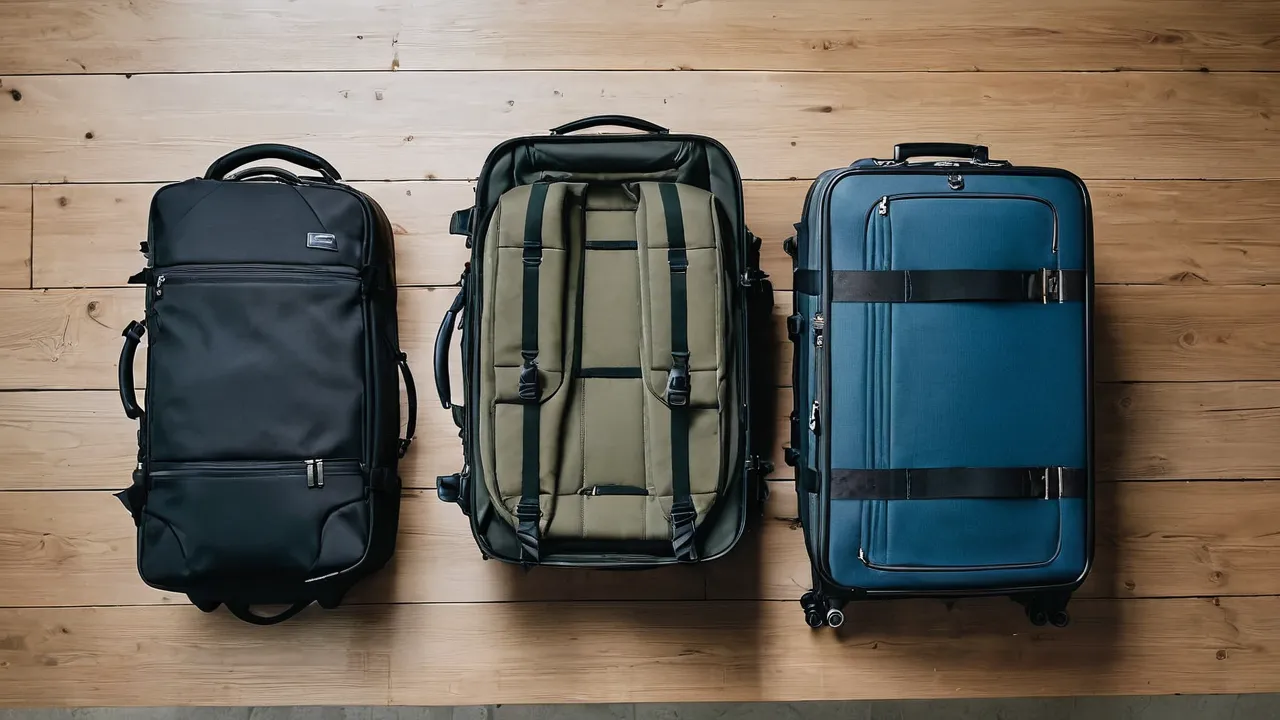
A carry-on backpack versus a rolling suitcase is a choice between carrying your luggage on your body and rolling it on wheels, and the right pick depends on three things: the kind of trip, how much the packed bag weighs, and how the bag fits your frame. A backpack suits walking, stairs, and crowded transit with a light load, while a rolling carry-on suits heavier loads, structured clothing, and smooth floors. This guide gives a decision table, a verdict for each type of traveler, and a short method so the choice does not rest on opinion.
Start with the load, not the bag
Weight is the first filter because it decides whether carrying is realistic. A suitcase moves its weight onto wheels, so a heavy packed bag feels manageable on a flat surface. A backpack puts all of that weight on your shoulders and hips, so every added pound is felt for the whole trip.
Pack a trial load at home before you buy. Fill the bag you are considering with the items you really take, weigh it on a bathroom scale, and then carry it around the block with the straps adjusted. If you could not stand to carry it for thirty minutes, it is the wrong format for a trip with transfers, walking tours, or train changes.
A useful rule of thumb many hikers and travel writers repeat is to keep a loaded pack to a modest share of your body weight, since comfort drops quickly as the load rises. Treat that as a starting point rather than a rule, because fitness, back health, and harness quality all change the answer. What matters is your own result from the trial carry.
Also check airline weight rules for the specific carrier. Many carriers publish a size limit for carry-ons, and some also publish a weight limit, especially on international or regional routes. A suitcase hides excess weight better than a backpack because you do not feel it, so people overpack rollers and get caught at the gate.
A decision table you can use in a minute
Rate each row for your next trip, then count which column wins.
| Factor | Backpack wins when | Rolling suitcase wins when |
|---|---|---|
| Trip type | Multi-city, hostels, trains, walking | One hotel base, business, resort |
| Packed weight | Light enough to carry for long stretches | Heavier loads you only lift at stairs |
| Surfaces | Cobblestones, stairs, gravel, ferries | Airports, hotel floors, smooth sidewalks |
| Clothing | Casual, wrinkle tolerant, rolled items | Suits, dresses, structured garments |
| Body fit | Torso length matches the pack, hip belt fits | Back or shoulder discomfort with a loaded pack |
| Access | Top or clamshell opening for quick reach | Flat lay packing with compression |
If the backpack column wins at least four of the six rows and you can carry the trial load, choose the backpack. If the roller wins most rows, choose a suitcase. A three to three tie usually goes to the suitcase for shorter trips and to the backpack for trips with many transfers.
Verdict by traveler type
A table helps, but most readers want to see themselves in a description. Here is how the choice usually falls for common travelers.
- Weekend city visitor with one hotel: a rolling carry-on, because the route is airport, taxi, and lobby, and clothes stay presentable.
- Multi-city rail traveler: a backpack, because platforms, stairs, and short walks between stations punish wheels.
- Business traveler with a suit: a rolling carry-on or a structured garment bag style case, because fabric needs to stay flat.
- Student or hostel traveler packing casual clothes: a backpack, because laundry replaces volume and hands stay free.
- Traveler with back, shoulder, or hip pain: a rolling carry-on, because a loaded harness is the wrong tool when the body is the limit.
- Family traveler managing children and a stroller: usually a rolling carry-on or a small backpack as a personal item, because free hands matter and wheels keep weight off you.
If you fall between two of these, go back to the trial load. It settles most close calls faster than any list.
Body fit: the part reviews skip
A suitcase fits anyone, but a backpack only works if its harness matches your frame. Torso length, not height, decides whether the shoulder straps sit properly and whether the hip belt carries weight on the hips instead of the shoulders. Measure from the bony bump at the base of your neck down to the line between your hip bones, then check the manufacturer sizing chart for that range.
Look for adjustable straps, a padded hip belt or at least a waist strap, a sternum strap, and a back panel that stays comfortable when you are sweating. A pack with no hip support transfers the load to the shoulders, which is why many people who dislike backpacks have simply worn the wrong style. If you cannot try a pack on, pick a retailer with an easy return policy and use the first day at home to confirm that the straps do not rub.
Surfaces, clothing, and access
Rollers glide on terminal floors and hotel lobbies but struggle where wheels do. Cobblestones, gravel, broken curbs, and long staircases turn a suitcase into something you lift, and you lift its full weight. If you want a deeper look at how rolling bags are put together, browse the luggage sets category.
A backpack keeps both hands free for tickets, rails, and a coffee. It fits tighter overhead bins and some under-seat spaces, and it squeezes through crowded boarding aisles. On the other hand, it gets in the way on a packed subway unless you take it off, and it is easier for a pickpocket to reach if the main compartment faces outward. Many travelers wear it on their front in crowds, which is a habit rather than a rule.
Clothing and packing style
Suitcases that open flat with compression straps support folded shirts, dress shoes, and structured garments. A backpack with a clamshell opening can imitate that layout, but a top-loading pack makes you dig for items. If your clothes must arrive wrinkle free, such as for interviews or weddings, a roller with a divider is easier on fabric.
Backpacks reward packing cubes and rolled items. A well-packed backpack often looks smaller than a suitcase and fits into spaces a roller cannot, such as a train luggage rack or the footwell of a bus seat. For work trips, an executive-style bag can bridge the gap; see this overview of the best executive backpack options for how those are usually organized.
What wears out first, and who should skip each
The failure points differ, and they matter if you want a bag you buy once. On a rolling suitcase, wheels, handle tubes, and the zipper under strain from overpacking are the usual weak spots. Wheels and handle assemblies can sometimes be repaired or replaced if the manufacturer supports it. On a backpack, shoulder strap stitching, hip belt buckles, and the main zipper take the load. Straps and buckles are often easy to replace, and fabric repair is inexpensive at a tailor, but a torn main compartment seam on a stuffed pack is harder to fix.
Ask the maker what the warranty says about wear, not only defects, and check whether repair parts are sold. A pack with a simple buckle system and a roller with a screwed-on wheel housing are both friendlier to long ownership than designs that bond everything permanently.
Skip a backpack if you regularly pack heavy items, have back or shoulder problems, or must carry bulky electronics and documents that you cannot compress. Skip a rolling suitcase if your route involves stairs, uneven streets, or frequent bus changes, or if you need to fit into tight spaces. For many occasional travelers who pack ordinary vacations, a single rolling carry-on is the lower-risk choice because it forgives overpacking. Buyers who lean toward a pack can look at the backpacks category for the styles that suit one-bag travel, and the how we review page explains how durability and fit are weighed.
Frequently Asked Questions
Is a backpack or a suitcase better for a carry-on only trip?
It depends on how far you will carry the bag. A backpack is better when the trip involves a lot of walking, stairs, or public transit and you pack light. A suitcase is better for smooth routes, heavier loads, and clothes that must stay wrinkle free. Weigh a packed trial bag and carry it for thirty minutes before deciding.
Does a carry-on backpack hold less than a rolling suitcase?
Not necessarily. Capacity depends on the specific bag and the airline size limit, since both formats must meet the same rules. A backpack is softer and can squeeze into tight spaces, but a suitcase with a clean rectangular shape often packs folded clothes more efficiently. Compare the listed dimensions and volume, then check your airline’s current limits.
Are backpacks bad for your back when you travel?
A loaded backpack can strain the back if it fits poorly or carries too much weight. A harness matched to your torso length, with a hip belt that moves load onto your hips, reduces strain. If you have back or shoulder problems, a rolling suitcase is the safer choice, and a doctor or physical therapist can advise on safe loads.
Which is easier to take on a plane, a backpack or a roller?
A backpack is usually easier to board with because it is narrower in the aisle and fits odd spaces. A roller is easier in the terminal because you do not carry the weight. Either must meet the airline size limit, so check the carrier website before you fly, and keep the bag under any posted weight limit.
Final Thoughts
Do not ask which format is better in general. Ask what you are carrying, how far you are moving it, and what the ground looks like. Run the trial load, fill in the table, and let the answer follow the evidence. A backpack is a tool for mobility and a suitcase is a tool for load, and the best choice matches your real trips.
Whichever you choose, verify the size and weight rules on the airline website before you fly, and keep your packing disciplined enough that the bag still fits the rules after a shopping stop. A good fit and a realistic load matter more than the name on the label.
Related buying guides
- Fixed vs Removable Laptop Sleeve in Travel Backpacks
- How Long Do Travel Backpacks Last and What Fails First
- How to Choose a Camera Travel Backpack
About the author

The BuyOnceChoice Editorial Team researches durable products worth buying once. Our guides compare published specifications, warranty terms, expert review consensus, and verified owner feedback. We do not conduct our own product trials. See How We Review and our Editorial Policy for our standards.