Fire Pit Burn Rules and Local Permit Checklist
Local fire code, burn bans, setbacks and HOA rules decide whether a fire pit is legal on your lot. Work through this checklist before you light.
 By BuyOnceChoice Editorial Team
Updated November 16, 2026
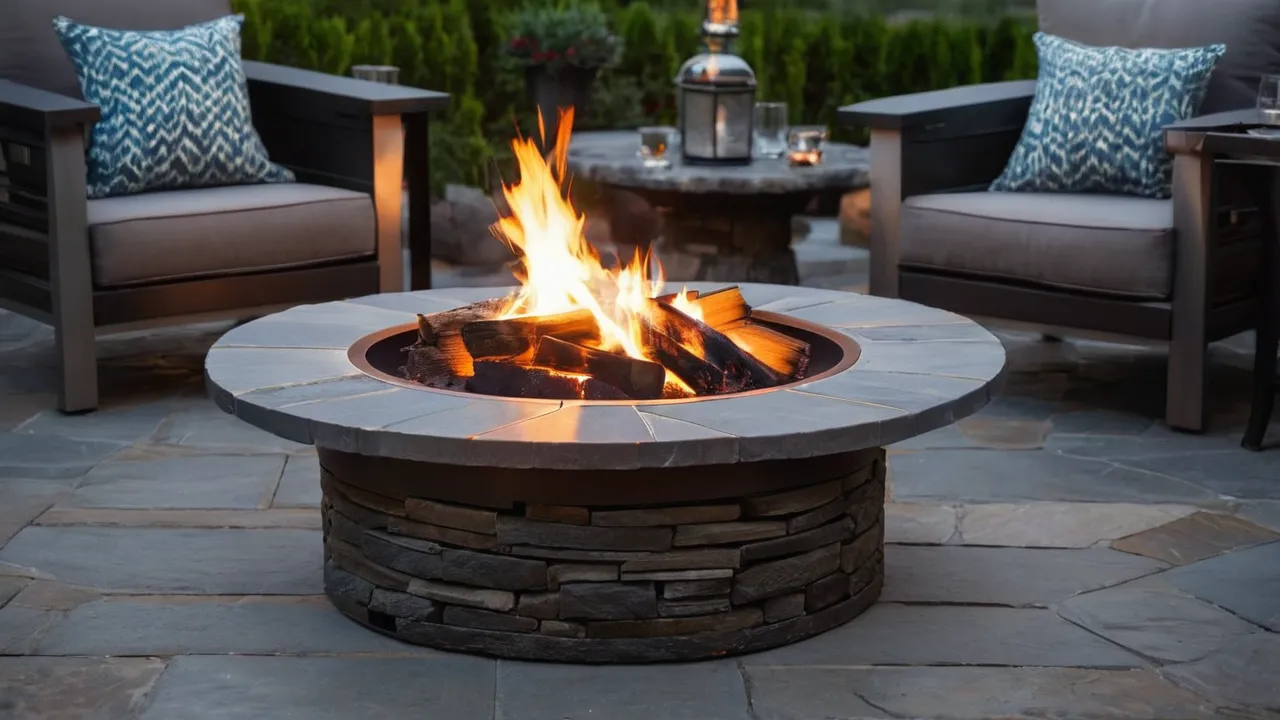
Fire pit regulations are set locally, so whether you can burn depends on your city, county, fire district and homeowner association. Before you buy or light, check whether open burning is allowed, whether gas and wood pits are treated differently, the setbacks to structures and property lines, any burn ban or air quality restriction, and any permit, then confirm the answers in writing. This checklist walks through each item.
Who Sets the Rules
Several layers can apply at once. The state may regulate open burning and air quality. The county or fire district may set seasonal burn bans and require permits. The city may regulate fire pits in its municipal code and zoning code. A homeowner association may add rules on size, placement and hours. Rental agreements and insurance policies add further limits. The strictest applicable rule wins, and rules can change quickly, especially in dry seasons.
The Checklist
Verify these items before the first fire.
- Whether recreational fires in a pit are allowed on residential lots at all.
- Whether gas pits are treated differently from wood burning pits.
- Required distance from houses, sheds, fences, property lines and overhead branches or wires.
- Maximum size of the pit and the fire.
- Allowed fuels: seasoned wood, manufactured logs, gas, and bans on trash, treated wood or leaves.
- Whether the pit must have a screen or a spark arrestor.
- Whether a permit or registration is required, and its cost and duration.
- Burn ban or air quality alerts: how to check them and how often they change.
- Hours of use and nuisance rules about smoke.
- HOA approval for style, location and use.
- Insurance conditions or exclusions related to fire pits.
- Rules for rentals, townhomes and multi family housing, where open flame may be banned.
How to Find the Answers
Start with the city or town website and search the code for recreational fire, open burning or fire pit. Check the fire department or fire district site, since it often posts current burn status and permit information. Call the non emergency line if the answer is unclear. Check county and state air quality or forestry agency pages during dry seasons. Read your HOA covenants and guidelines, and ask the manager if the language is vague.
Write down the date, the name of the person you spoke to and the answer, or ask for it by email. Ask a question people often forget: whether the rule is about the pit itself or about the fuel, since a portable pit, a chiminea and a gas fire table may fall under different definitions in the same code.
Keep a Record
Once you have the answers, keep them in one place. Save the code section numbers, the permit number if there is one, the date you last confirmed the burn status and any email from the fire district or HOA. If a neighbor complains or an inspector visits, a short file with dates and sources shows you checked. Recheck each season, since codes and bans are updated, and recheck after you move the pit or change its fuel, because a new location can change the setbacks that apply.
Burn Bans and Air Quality
Burn bans restrict or prohibit open fires during high fire danger, drought or poor air quality. Some bans cover wood fires but allow gas appliances with an automatic shutoff, and others ban everything, so read the definition. A ban can be called quickly, and violations can bring fines, so check on the day you light, not just when you buy.
Many areas announce status through a daily burn line, a website or an app. Make checking it a habit. Permits, where they exist, may be free or low cost and may be valid for a season or a single event, so ask about renewal. Wind is a separate factor. Even when burning is allowed, avoid lighting in strong wind that can carry embers. Smoke nuisance rules may apply to neighbors, and a low smoke pit helps but does not remove all emissions. The fire pits category and the best fire pit roundup cover equipment choices.
Setbacks, Placement and Fuel
Setback distances to structures and property lines are common rules, and they are usually measured from the pit, not from where people sit. Ask which edge the code measures from. Keep the pit clear of overhanging branches and dry grass, place it on a noncombustible base such as pavers or gravel, and keep a clear zone around it. Follow the manual for the clearances the maker requires, which may be larger than the local minimum.
Burn only approved fuels: dry seasoned wood in a wood pit, and the specified fuel in a gas pit. Never burn trash, painted or treated lumber, yard waste or plastics, and never use gasoline or lighter fluid to start or revive a fire.
Gas Versus Wood
Gas fire pits often face lighter rules because they produce no embers and can be shut off, but they may still need clearances, permits for gas lines and compliance with burn ban wording. Natural gas connections need licensed work and permits. Propane pits need safe tank storage and hose checks. Wood pits face stricter rules for smoke, embers and bans, so verify them separately. How We Review explains how we compare pit types.
Penalties, Liability and Special Situations
Violating a burn ban or fire code can lead to a fine, a visit from the fire department and, in the worst case, liability for damage if embers spread. Many homeowner policies cover fire damage, but they may raise questions about a prohibited burn. Call your insurer and ask about any conditions around fire pits, and whether a gas appliance is treated differently. In a rental, check the lease, since landlords often prohibit open flame and a renter policy may not cover a loss from a banned fire.
Condos, townhomes and multi family properties often have strict bans on open flame near buildings, and balconies and rooftops are commonly prohibited. In wildfire prone areas, local rules may be stricter and may require spark arrestors or extra clearance, and burning may be banned for much of the year. Near parks, dunes or protected areas, extra rules can apply. On large rural lots, the rules for burn barrels and open burning differ from those for residential pits, so check them separately. Campground and park rules apply to portable pits as well.
Safety and Putting the Fire Out
Follow the manual for clearances and for the fuels the pit may burn. Use the pit outdoors on a level, noncombustible surface, away from structures, fences, trees and overhangs. Keep water, a hose or a fire extinguisher nearby, never leave the fire unattended, and keep children and pets back. Carbon monoxide is a risk in enclosed spaces, so never use a pit under a cover or indoors. For gas lines or electrical ignition work, hire a licensed professional and follow local fire code.
Let the fire burn down, spread the embers, douse with water, stir and douse again until there is no heat or steam. For a gas pit, turn off the burner and close the tank or gas valve. Do not cover a hot fire with a lid or move hot ash into a plastic container. Cold ash goes into a metal container with a lid and is kept outside, away from structures, until fully cool. A fire that looks out can rekindle in wind, so check before walking away.
A Short Pre Burn Routine
- Check the burn status for the day and the local forecast, especially wind.
- Confirm clearances and clear the area of leaves and combustibles.
- Place the hose, water or extinguisher within reach.
- Use only approved fuel and an approved starter.
- Stay with the fire and extinguish it fully.
Frequently Asked Questions
Do I need a permit for a backyard fire pit?
It depends on your city, county or fire district. Some places require none for small recreational fires, others require a permit or registration, and some ban wood fires altogether. Call the fire department or read the municipal code, and ask whether gas pits are treated differently.
How far does a fire pit have to be from my house?
The distance is set by local code and by the pit’s manual, and the larger figure applies. Codes measure from the pit and cover structures, fences, property lines and overhanging branches. Ask your fire department for the exact rule instead of relying on a general number.
Can I use a fire pit during a burn ban?
Often not, though some bans exempt gas appliances with an automatic shutoff. Read the ban’s wording or call the fire district. If in doubt, do not light. Fines and liability for a spread fire can be severe, and conditions change daily, so check on the day.
Does homeowners insurance cover fire pit accidents?
Often yes for accidental fire damage, but policies can exclude losses linked to a prohibited burn or negligence. Ask your insurer about conditions on fire pits, and read your lease if you rent. Get the answer in writing, and follow local rules and the manual.
Final Thoughts
Check the rules before you buy and again before you light. Confirm whether burning is allowed, what the setbacks and fuels are, whether permits and HOA approvals apply, and whether a burn ban is active. Keep written answers, follow the manual, and put the fire out completely every time.
Related buying guides
- Fire Pit Materials Guide: Steel, Copper, Cast Iron
- Fire Pit Safety Distances and Clearances From Home
- Propane Fire Pit BTU and Tank Size Guide
About the author

The BuyOnceChoice Editorial Team researches durable products worth buying once. Our guides compare published specifications, warranty terms, expert review consensus, and verified owner feedback. We do not conduct our own product trials. See How We Review and our Editorial Policy for our standards.