Cargo Carrier Mistakes: Wind Noise, Mileage and Locks
Misplaced boxes whistle, overloaded roofs fail and boxes left on all year cost mileage. Learn the common errors in placement, loading and aerodynamics.
 By BuyOnceChoice Editorial Team
Updated November 16, 2026
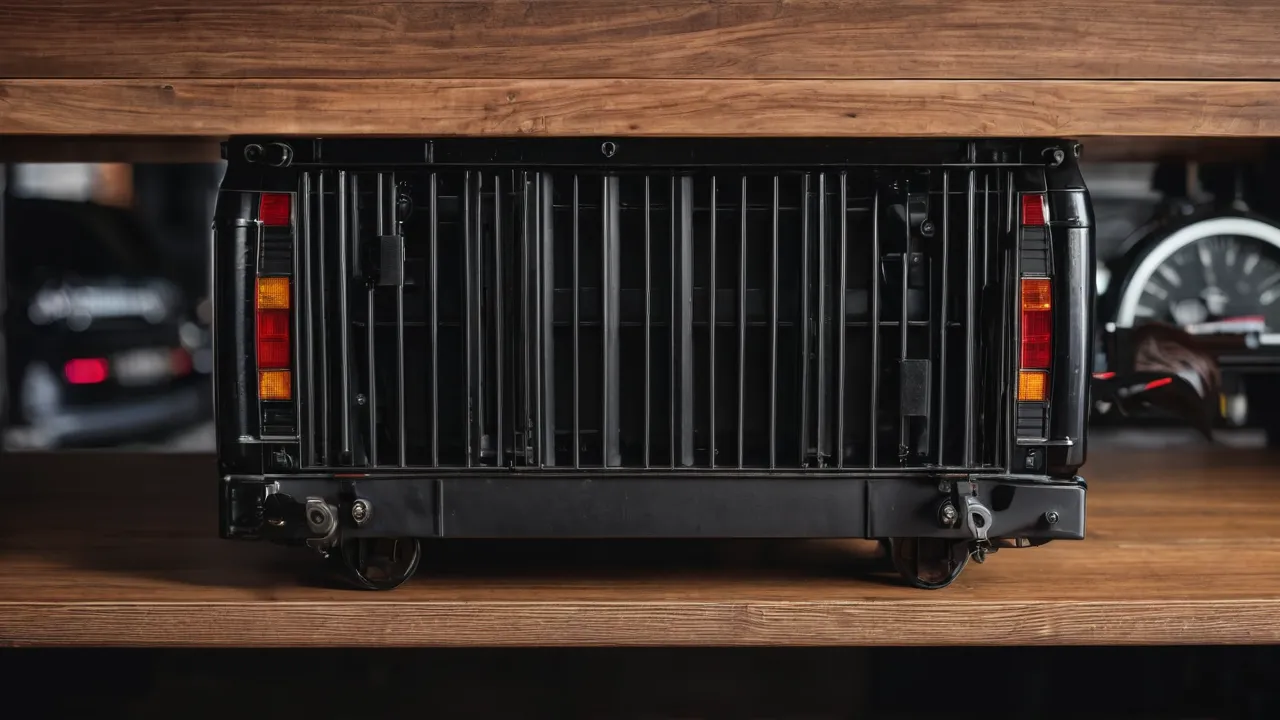
The most common cargo carrier mistakes are exceeding roof load limits, placing the box in the wrong position, packing heavy items high, ignoring wind noise and drag, skipping rechecks of the mounts and leaving the carrier on year-round. Each one adds noise, lower mileage or risk, and each has a simple fix that you can apply before the trip.
Why these mistakes matter
A rooftop carrier changes how a vehicle handles, sounds and uses fuel. It adds weight high above the vehicle’s center of gravity, increases frontal area, and puts the load on a rack that was rated by a maker for a specific limit. Small errors multiply at highway speed, so a loose clamp or a poorly packed box shows up as noise, drag or a shifted load.
The six mistakes below cover most of what goes wrong. Work through them in order before your first trip with a new carrier and again at the start of each season.
Six mistakes and how to fix each
Mistake 1: ignoring weight limits
Roof load limits are in the vehicle manual, and the rack and carrier have their own ratings. The carrier’s own weight counts toward the total. Stay under the lowest of the limits, and remember that the limit while driving is lower than a limit when parked. Overloading can bend crossbars, dent the roof and affect handling.
The fix: write down the vehicle’s roof limit, the rack’s limit and the carrier’s weight, subtract, and pack to the lowest remaining number. If figures are unclear, ask the vehicle or rack maker. Vehicles with panoramic roofs or fragile trim may have lower limits, and some allow a higher load only with factory rails, so read the manual carefully.
Mistake 2: poor placement
A box mounted too far forward can hit the windshield or an open hatch, and a box too far back may block the tailgate. A box shifted to one side unbalances the vehicle and may rub the roof. Hatchbacks and SUVs with swing-out tailgates need particular care.
The fix: follow the manual for position, open the tailgate fully with the carrier installed and check clearance, and leave room for antennas and sunroofs. Mark the clamp positions with tape so you can mount the box in the same place each time.
Mistake 3: packing heavy items high or unevenly
A load that shifts under braking or in turns changes handling and can damage the box. A top-heavy load raises the center of gravity of the vehicle.
The fix is a packing routine.
- Pack heavy items low and near the middle of the box.
- Keep weight even from side to side.
- Place soft items at the ends and use them to fill gaps.
- Secure loose items so they do not shift under braking.
- Close and lock the lid and check that it is latched.
Never carry fuel, propane tanks or other hazardous items in a closed roof box, and keep valuables in the cabin. Dense, heavy loads such as tools or water belong in the trunk or on a hitch carrier, where they stay low.
Mistake 4: ignoring aerodynamics and noise
A box adds drag and wind noise, and the effect depends on shape, size and mounting. Rounded, low-profile boxes often disturb airflow less than tall, boxy ones. Crossbars with no end caps, or an unused rack left on the roof, can whistle. Weather adds to the problem: rain drums on a box, and gusts make a loose lid whine.
The fix: remove unused crossbars, fit end caps where the maker provides them, and consider a fairing in front of the rack if the maker offers one. Tighten the clamps and check for items rattling inside, since a strip of foam can silence a rattle. Check the seal along the lid, and replace worn seals to keep out wind and water.
Mistake 5: forgetting fuel economy
A carrier adds frontal area and drag, which reduces fuel economy at highway speeds. The size of the effect varies by vehicle, speed and box shape, and no single figure applies to everyone. Slower speeds reduce the penalty.
The fix: remove the box when you do not need it, load an empty box only when you have something to carry, and drive a little slower with it on. A cargo bag or a hitch carrier may add less drag in some cases, but check the manuals. If you commute with the carrier on, you pay the cost every day, so choose a rack that comes off in minutes.
Mistake 6: forgetting rechecks and height
Mounts can loosen after the first few miles. You also add height, which matters in parking garages, drive-throughs and your own garage. A carrier strike on a garage door can wreck both the carrier and the roof.
The fix: recheck the clamps and bars after a short drive and at fuel stops, and hang a note from the mirror as a height reminder. Make a short walk-around routine before each trip: lid latched, clamps tight, load balanced, straps secure, tailgate clear. Keep the manuals and the weight-limit card in the vehicle so anyone who borrows the car can follow the same steps.
Quick reference for habits and fixes
- Leaving the box on all year: more drag and wear, so remove it when not needed.
- Driving fast with a loaded box: more noise and stress on the mounts, so reduce speed.
- Empty box left mounted: drag for no benefit, so remove it or load it usefully.
- Unlatched lid: the lid may open, so check the latch every time.
Care and storage
Wash the carrier with mild soap and water after a long trip and rinse off road salt, which attacks metal parts and fades plastic. Lubricate locks lightly and check for cracks around the mounting points. Store the box dry and out of direct sun, and replace the seal if it becomes brittle. Small repairs extend the carrier’s life and keep it quiet and weather tight. Our cargo carrier guide and the roof racks and cargo carriers category have more on choosing and mounting, and how we review explains how we weigh such advice.
Follow the maker’s manuals for installation, keep the load balanced, use the key and lock, and ask a qualified installer if you are unsure about mounting on your particular roof.
A pre-trip routine in five minutes
Walk around the vehicle with the manuals in mind. Confirm that the crossbars are tight and the carrier clamps are fully engaged. Open and close the lid to check the latch and lock, then remove the key if the maker advises. Look at the load inside through the lid before closing: heavy at the bottom, soft at the ends, nothing loose. Check that the tailgate or hatch clears the box by opening it all the way. Look at the straps if you carry gear on top of the carrier, and confirm the combined weight against your notes. Finish by checking the height reminder on the mirror.
On the road, listen for new whistles or rattles in the first few miles, and stop at the first safe spot to recheck the mounts if anything sounds different. Repeat the check at every fuel stop on a long trip. This routine takes minutes, and it catches the loose clamp or shifted load before it becomes a roadside problem.
Choosing a carrier that avoids the mistakes
Some mistakes are easier to avoid when the carrier fits the vehicle. Look for a box with a low profile, a mounting system the maker lists as compatible with your crossbars, a lid that opens from either side, and a lock that the manual describes clearly. Check the maker’s fit guide for your vehicle and confirm the carrier’s own weight and the load rating. A simple, well-matched setup is easier to mount correctly every time.
Frequently Asked Questions
Does a cargo carrier hurt gas mileage?
Yes, a rooftop carrier adds drag, which usually lowers fuel economy, especially at highway speeds. The amount varies by vehicle, box shape and speed. Removing the box when you do not need it and driving a little slower are the simplest ways to reduce the penalty.
Why is my roof cargo box so noisy?
Common causes are loose clamps, unused crossbars, missing end caps, a worn lid seal or items rattling inside. Tighten the mounts, remove unneeded bars, fit caps and pack soft gear around loose items. A fairing can help on some vehicles.
Where should I put heavy items in a rooftop cargo box?
Place heavy items low and near the center of the box, keep weight balanced from side to side, and put light, bulky items at the ends. Stay under the lowest load limit among the vehicle, rack and carrier, and secure everything so it cannot shift.
How often should I check the mounts on a cargo carrier?
Check after a short drive when you first install it, at fuel stops on long trips and before every trip. Look at clamps, crossbars, locks and the lid latch. Retighten as the manual directs and replace any worn part.
Final Thoughts
Avoid the usual errors by honoring weight limits, placing the box correctly, packing low and balanced, thinking about wind noise and drag, and rechecking mounts. Take the carrier off when you do not need it. These steps protect the roof, reduce noise and keep fuel use in check. A few minutes of setup saves money and stress on the road.
Related buying guides
- Hardshell vs Softshell Cargo Carrier: Pros and Cons
- How to Choose a Roof Rack: Crossbars, Fit and Load Limits
- How to Install a Rooftop Cargo Carrier Without Damage
About the author

The BuyOnceChoice Editorial Team researches durable products worth buying once. Our guides compare published specifications, warranty terms, expert review consensus, and verified owner feedback. We do not conduct our own product trials. See How We Review and our Editorial Policy for our standards.