Kayak and Bike Roof Rack Guide: Carriers and Fit
Pick the right kayak cradle or bike mount, set crossbar spacing, respect load limits and use tie downs and bow and stern lines for secure highway driving.
 By BuyOnceChoice Editorial Team
Updated November 16, 2026
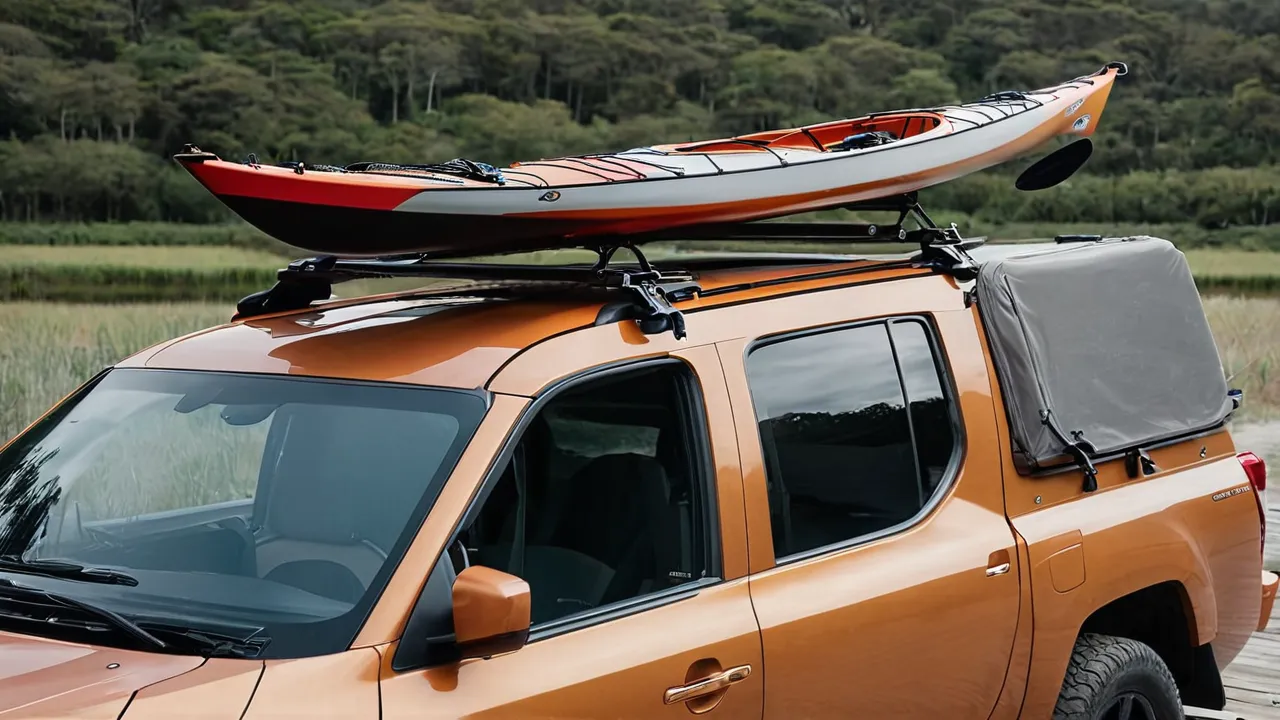
For a roof rack for a kayak and bike, start with crossbars that fit your roof and carry the load, then choose carrier styles that match your kayak’s shape and your bikes’ frames, check the crossbar spacing each carrier needs, and secure everything with proper tie-downs. Many people carry one or the other, and some carry both. The weight limit, the load balance and the vehicle height set what is safe, so check them before you buy.
Start with crossbars and limits
Kayak and bike carriers mount to crossbars, so the first step is a solid pair that fits your vehicle. Choose bars with a rating that covers the carrier, the load and the bars themselves. Find the roof load limit in the vehicle manual, and use the lower dynamic figure while driving. Add up the weight of the bars, carriers and cargo, and stay below the lowest limit.
Check that the bars are the right length for your carriers. A kayak carrier or a bike tray may need bars that extend wide enough to mount it, and two bike carriers side by side need more width than one. Check the clearance to doors and mirrors. If your vehicle has a bare roof, rails or fixed points, the rack maker’s fit guide tells you which feet and clips to use. Our roof racks and cargo carriers category lists guides for fitting a rack.
Kayak carrier styles
- Saddles or pads: simple foam or rubber supports that cradle the hull. Good for a single kayak carried flat or on its side. Low cost and light.
- J-cradles: angled supports that carry the kayak on its side, which saves width and leaves room for another carrier or a second boat. They need a hull shape that suits the cradle.
- Stackers: upright posts that carry several kayaks on their sides, useful for families.
- Roller loaders: cradles with a roller or a lift assist that helps you load a heavy kayak from the back of the vehicle.
- Foam blocks: a budget option for occasional use, with straps through the doors or around the bars. They are less secure and can shift.
Choose by the number and weight of kayaks, how high you must lift them and how often you load. Check the maker’s weight rating. A plastic kayak on a hard saddle can deform if it is strapped too tightly, so use pads and moderate tension. A carbon or composite boat may need more careful support.
Kayak length matters. Long kayaks extend past the front and rear of the vehicle, which affects visibility and regulations on overhang. Check local rules, and use a flag if required.
Bike carrier styles
- Upright, fork-mount carriers: the front wheel comes off and the fork clamps to the carrier. They are stable and stay low, but they require removing the wheel.
- Upright, wheel-on carriers: the bike stands with both wheels on and a clamp holds the frame or the wheel. They are quick to load.
- Tray carriers: the bike sits on a tray with wheel holders, and a clamp holds the frame or wheel. Good for many bike types, including some that are heavy.
- Frame-clamp carriers: a clamp grips the down tube. Be careful with carbon frames and some designs, since clamping can damage them, so check the bike maker’s guidance.
Check the carrier against your bike: wheel size, tire width, frame shape, axle type, fenders and e-bike weight. A heavy electric bike may exceed the carrier’s weight limit and make lifting hard. Remember the height of the loaded bike. Many drivers have damaged bikes by driving into a garage with a bike on the roof, so make a habit of checking before you enter.
Tie-down basics for the kayak
Kayaks need a firm hold and attention to the bow and stern. Use cam buckle straps, which are easier to tighten than knots, and loop them around the crossbar and the kayak, not through the car door or window, unless the maker’s design allows. Tighten snugly but not so hard that the hull deforms. Twist the strap a couple of times between the kayak and the bar if it hums in the wind, and tuck the loose ends so they do not flap.
Bow and stern lines add security against lift in wind and prevent the kayak from sliding forward or back in a sudden stop. Attach them to the grab handles or toggles on the kayak and to solid points on the vehicle, using the maker’s guidance and avoiding plastic trim. Keep the lines taut but not overtight. Check all straps after the first few miles and at stops.
Bike tie-downs
Follow the carrier maker’s instructions for clamps and straps. Secure wheels, frame and any loose parts. Remove items that can fly off, such as lights, bags and water bottles. Use a strap or a cable to keep the front wheel from spinning on a wheel-on carrier. Add a lock if the carrier offers one.
Mixed loads and balance
Carrying a kayak and bikes together is possible on a long enough set of bars, but the total weight, width and height rise quickly. Place the heavier item toward the center and keep the load balanced side to side. Check that the kayak and bikes do not touch. Do not let straps cross over bike parts in a way that damages them. Consider carrying bikes on a hitch carrier and kayaks on the roof, if your vehicle allows it, to split the load. Our cargo carrier guide covers other loads.
Safety and driving habits
Follow the vehicle and rack manuals for limits and mounting. Drive slower, allow more distance for braking and turn gently, since wind and weight change handling. Watch for low overhead clearances at garages, drive-throughs and trees. Check the load at each stop. Remove the carriers when you are not using them, which saves fuel and reduces noise. Wear protective gear when loading, and ask for help with a heavy kayak. How we review explains how we weigh these recommendations.
Crossbar spacing and width
Carriers list the spread they need between the two crossbars. Kayak saddles and J-cradles work best with a wide spread, which supports the hull over a longer length, while some bike carriers have a minimum or maximum spacing too. Measure the distance between your bars from center to center, and compare it with each carrier’s requirements. If you plan to carry two bikes and a kayak, count the width of each carrier and the gaps between them. Bars that are too short limit how many carriers fit. If the spacing is wrong, adjust the bars if the rack maker allows, or choose carriers that suit your spacing.
Loading techniques that protect your back and your vehicle
Loading a kayak onto a roof is easier with help. Stand at the side, lift one end to the rear crossbar and slide it forward, or use a roller loader if the carrier has one. Place a blanket on the rear of the vehicle to protect paint. For bikes, lift the bike by the frame and rotate it into the carrier, then clamp and strap. Do not lift heavy items above shoulder height alone, and use a step stool for tall vehicles. Make a habit of loading the same way each time, so that you do not forget a strap.
Before and after the trip
Before you leave, check that every strap is tight, all clamps are locked, the straps are twisted or tucked to prevent hum and the load is balanced. Look up at the load from the front and rear to see whether it is straight. After the trip, rinse salt and sand from the kayak, carriers and straps, let them dry and store them away from sun. Check straps for fraying and replace worn ones. Clean the bike carriers and lubricate moving parts as the maker advises. Store the bars and carriers where they will not be crushed, and keep the hardware in a labeled bag. A short routine like this prevents small problems from becoming roadside failures.
Legal and practical points
Some places limit how far a load may extend past the front and rear of a vehicle, and some require a flag or light for long loads. Check local rules before you travel with a long kayak. Remember to check parking garage clearances, and avoid automatic car washes with the rack on. Keep the vehicle’s headlight and license plate visible if you use a hitch carrier, and follow the carrier maker’s guidance.
Frequently Asked Questions
Can I carry a kayak and bikes on the same roof rack?
Often yes, if the crossbars are long enough, the total weight stays under the roof and rack limits and the loads do not touch. Place heavier items near the center, check the total height and width, and consider a hitch carrier for the bikes so that you split the load between roof and hitch.
How do I strap a kayak to a roof rack?
Use cam buckle straps around the kayak and each crossbar, tightened snugly but not enough to deform the hull, and tuck or twist the loose ends. Add bow and stern lines to resist wind and sudden stops, tied to solid points. Check everything after a few miles and at each stop.
Are J-cradles better than saddles for kayaks?
J-cradles carry the kayak on its side, which saves width and leaves room for other loads, but they need a suitable hull shape and more lifting effort. Saddles carry it flat and are simpler. Choose based on your kayak’s shape, your lifting ability and the number of boats.
What bike carrier is best for a roof rack?
It depends on your bikes. Fork-mount carriers are stable but need the front wheel off, wheel-on carriers are quicker to load, and tray carriers suit many types. Check frame material, wheel size, bike weight and the carrier’s limits, and avoid frame clamps on carbon frames unless the bike maker allows them.
Final Thoughts
Choose crossbars that fit your roof and your load limit, then choose kayak and bike carriers that match your boat and your bikes. Check bar spacing, use proper straps and bow and stern lines, and recheck everything at stops. Keep the load balanced and mind the height, and your trips will go smoothly and safely.
Related buying guides
- Roof Rack Load Limits: Static vs Dynamic Weight
- Roof Rack vs Cargo Box vs Hitch Carrier: Which to Pick
- Cargo Carrier Mistakes: Wind Noise, Mileage and Locks
About the author

The BuyOnceChoice Editorial Team researches durable products worth buying once. Our guides compare published specifications, warranty terms, expert review consensus, and verified owner feedback. We do not conduct our own product trials. See How We Review and our Editorial Policy for our standards.