How to Clean and Descale a Countertop Ice Maker
How to clean an ice maker and descale it, with steps for portable, nugget, and built-in units, plus a frequency guide by water hardness.
 By BuyOnceChoice Editorial Team
Updated November 16, 2026
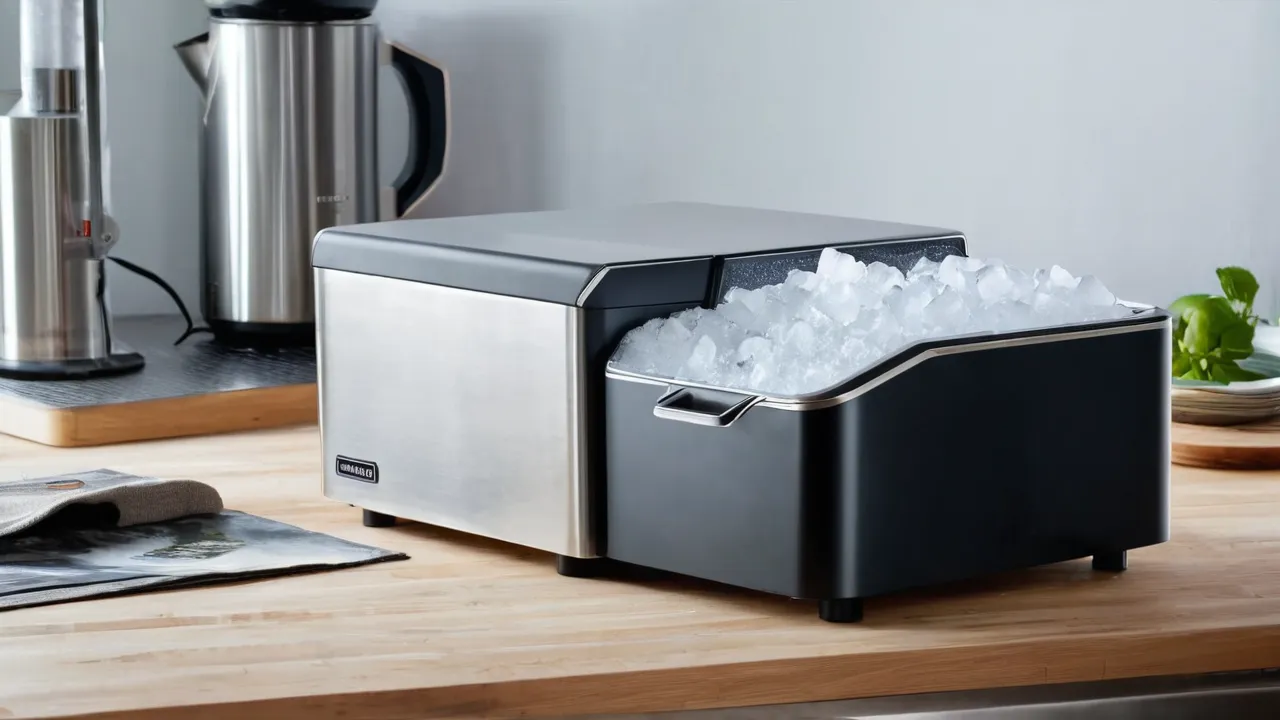
To clean an ice maker, unplug it, empty the bin and water reservoir, run a descaling or cleaning solution approved by the maker through a cycle, rinse several times, and wipe the interior. Descale more often in hard water, as often as monthly, and every few months in soft water. Follow the manual.
Safety Before You Start
Unplug the ice maker before cleaning, and keep water away from the electrical parts. For built-in or plumbed units, shut off the water supply before disconnecting any line, and check hoses for leaks afterward. Use only cleaners the manual approves, since the wrong product can damage seals or leave residue in ice you will eat. Never mix cleaning products, and rinse thoroughly so that no cleaner remains in the water path.
Why Ice Makers Need Cleaning
Ice makers sit in warm, damp conditions, with standing water and minerals. Hard water leaves scale, a white or tan crust, on the evaporator, the water line, and the reservoir. Scale reduces ice production, makes ice cloudy, and can clog valves. Slime and mold grow in water that sits, causing odors and off tastes. Regular cleaning removes both problems and extends the life of the machine.
Step-by-Step Cleaning
What You Need
- The manual and the maker’s approved cleaner or descaler, or the recommended household solution such as diluted white vinegar or citric acid if the maker allows it.
- A soft cloth, a soft brush, and cotton swabs.
- A towel and a bucket or sink.
- Clean water, preferably filtered, for rinsing.
- Gloves if you are sensitive to cleaners.
Portable and Countertop Ice Makers
- Unplug the unit and empty the ice basket, discarding any old ice.
- Drain the water reservoir and drain plug, if it has one.
- Mix the descaling solution as directed. For many units this is a mix of water and a cleaning agent, filled to the max line in the reservoir.
- Plug the unit in and run a cleaning or ice-making cycle with the solution, per the manual. Some units have a clean button.
- Discard the ice or water made during the cleaning cycle, since it contains cleaner.
- Drain the solution and wipe the interior, the basket, and the scoop with a cloth.
- Rinse by running two or three cycles with fresh water, and discard the ice from those cycles.
- Wipe dry and leave the lid open to air out.
Cleaning by Ice Maker Type
Nugget Ice Makers
Nugget makers have an auger and a freezing cylinder that collect scale quickly. Follow the maker’s descaling procedure, which may involve running a cleaning solution through the system and letting it sit before flushing. Do not skip the rinse, since any residue passes into the ice. If the machine has a drain, flush it. Clean the sensors, the bin, and the drain tray. Nugget machines often need descaling more often than other types because of their design.
Clear and Under-Counter Ice Makers
Built-in and under-counter units typically have a water inlet, a drain, and a pump. Many have a clean cycle in the settings. Follow the manual’s steps, which often include turning off the unit, removing ice, adding a cleaning solution, running a cycle, and rinsing. Check the drain for clogs and the filter, if present. Clean the condenser coils or the grille, since dust there reduces cooling. If the unit is plumbed, shut off the supply before any service, and replace water filters on schedule.
Refrigerator Ice Makers
For ice makers built into a refrigerator, follow the refrigerator manual. Empty the bin, wash it with warm soapy water, rinse, and dry. Discard the first batches of ice after cleaning. Replace the water filter on schedule, since a clogged filter reduces ice and affects taste. Do not use harsh chemicals inside the refrigerator, and avoid pouring cleaners into the fill tube unless the manual says to. Our refrigerator guides cover related upkeep.
Descaling Schedule and Prevention
| Water hardness | Descaling frequency |
|---|---|
| — | — |
| Soft | Every 3 to 6 months |
| Moderately hard | Every 2 to 3 months |
| Hard | Monthly to every 2 months |
| Very hard | Monthly, plus a filter or softener |
Clean the reservoir and bin more often, such as weekly or every two weeks, since slime forms quickly in standing water. Use filtered or softened water to reduce scale, and drain the unit when you will not use it for a while. Check your water hardness report from your utility or use a strip kit to know your category.
Preventing Problems
- Empty and dry the unit before storage, and leave the lid open.
- Do not leave water sitting in the reservoir for days.
- Use a water filter where possible.
- Replace filters on schedule.
- Keep the area around the unit clear for airflow.
- Wipe the exterior and the gasket, if any.
- Throw out ice that has sat for a long time.
Signs You Need to Clean Sooner
- Cloudy or small ice and slow production.
- White crust or film inside.
- Musty or sour smell.
- Ice with an off taste.
- Frequent cycles or error lights.
- Water leaking or overflow.
If cleaning does not fix production, check the water supply, filters, and condenser. Persistent problems may need service, and a built-in unit under warranty should go to the maker.
Choosing a Cleaner and Dealing With Slime
The choice of cleaner matters, since ice is food. Many makers sell a branded descaler formulated for their machines, and these are the safest choice when the warranty is a concern. Some allow citric acid solutions, which are food-safe descalers, mixed at the strength the manual gives. Some allow diluted white vinegar, though vinegar can leave a smell and may harm certain seals, and a few makers advise against it. Never use bleach unless the manual says so, and never mix bleach with acid cleaners, since the mix releases dangerous gas.
Follow the dilution and the contact time on the label. Too strong a solution can damage parts, and too weak a solution leaves scale. After cleaning, rinse by running several cycles of fresh water. Taste the water or ice from the final rinse. If you taste or smell cleaner, run more rinse cycles. Keep cleaners out of reach of children, and ventilate the area.
Dealing With Slime and Odor
Slime is a biofilm of bacteria and yeast that forms in standing water. Wipe it off the reservoir, the bin, and the scoop with warm soapy water and a soft cloth. A soft brush or cotton swab reaches small corners. After cleaning, dry the parts and leave the lid open for a while. If an odor remains, run a cleaning cycle with an approved solution. If the odor persists after several cleanings, check the water source, replace the filter, and consider whether the unit has hidden standing water, such as in a drain pan. A persistent smell or visible mold that returns right after cleaning may mean the unit has reached the end of its useful life.
Cleaning the Exterior and Condenser
Do not forget the outside. Wipe the exterior with a damp cloth, and clean the lid gasket and any door seals. For units with a condenser grille or coil, vacuum the dust with a soft brush, with the unit unplugged. Dust on the condenser makes the unit run hotter and produce less ice. Leave a few inches of space around the unit for airflow. Place the unit away from heat sources and direct sun, since a hot environment reduces production and raises energy use.
When to Call for Service
If ice production remains low after descaling, check the water supply, the inlet screen, and the filter first. If the unit makes a grinding noise, leaks, or throws error codes that the manual says need service, stop using it and contact the maker or a technician. Built-in units may need a plumber for water line and drain issues. Keep the model and serial number handy, and note when the problem started. A clear record helps service and warranty claims, and tells you whether cleaning is enough or the unit needs repair.
Decision Rules
- Hard water and heavy use: monthly descaling and a water filter.
- Soft water and light use: every few months.
- Nugget machine: follow the maker’s schedule closely.
- Entertaining use only: clean before and after the season.
- Always: rinse thoroughly and discard the first ice.
See also the ice maker guides and the home appliances hub, and the How We Review page for how we weigh upkeep claims.
Keep a note of the last descale date on the unit or in your phone. The interval that works for your water is the one you can actually follow, and a dated note keeps you honest.
Frequently Asked Questions
How often should I descale an ice maker?
It depends on your water. Soft water may need descaling every three to six months, moderately hard water every two to three months, and hard water monthly to every two months. Very hard water calls for monthly descaling plus a filter or softener. Follow the maker schedule if it gives one.
Can I use vinegar to clean an ice maker?
Some makers allow diluted white vinegar and others advise against it, because it can leave a smell and may harm certain seals. Many allow food-safe citric acid or sell their own descaler. Check the manual, follow the dilution and contact time, and rinse several times.
Why is my ice cloudy or tasting bad?
Cloudy ice and an off taste usually point to mineral scale, slime in standing water, an old filter or ice that has sat too long. Descale, wipe the reservoir and bin, replace the water filter on schedule and discard the first batches of ice after cleaning.
Do I need to clean the ice maker in my refrigerator?
Yes, though the steps differ. Follow the refrigerator manual: empty the bin, wash it with warm soapy water, rinse and dry, and discard the first batches of ice afterward. Replace the water filter on schedule, and avoid harsh chemicals or pouring cleaners into the fill tube unless the manual says to.
Final Thoughts: Descale to Your Water, Rinse Until Clean
Ice is food, so clean with approved products and rinse well. Set the descaling schedule by your water hardness, wipe the bin often, and keep the unit dry when idle.
Related buying guides
About the author

The BuyOnceChoice Editorial Team researches durable products worth buying once. Our guides compare published specifications, warranty terms, expert review consensus, and verified owner feedback. We do not conduct our own product trials. See How We Review and our Editorial Policy for our standards.