Hardshell vs Softshell Cargo Carrier: Pros and Cons
Hard shell boxes seal and lock better, soft bags fold flat and cost less. See how weather, theft, storage space and durability split the two designs.
 By BuyOnceChoice Editorial Team
Updated November 16, 2026
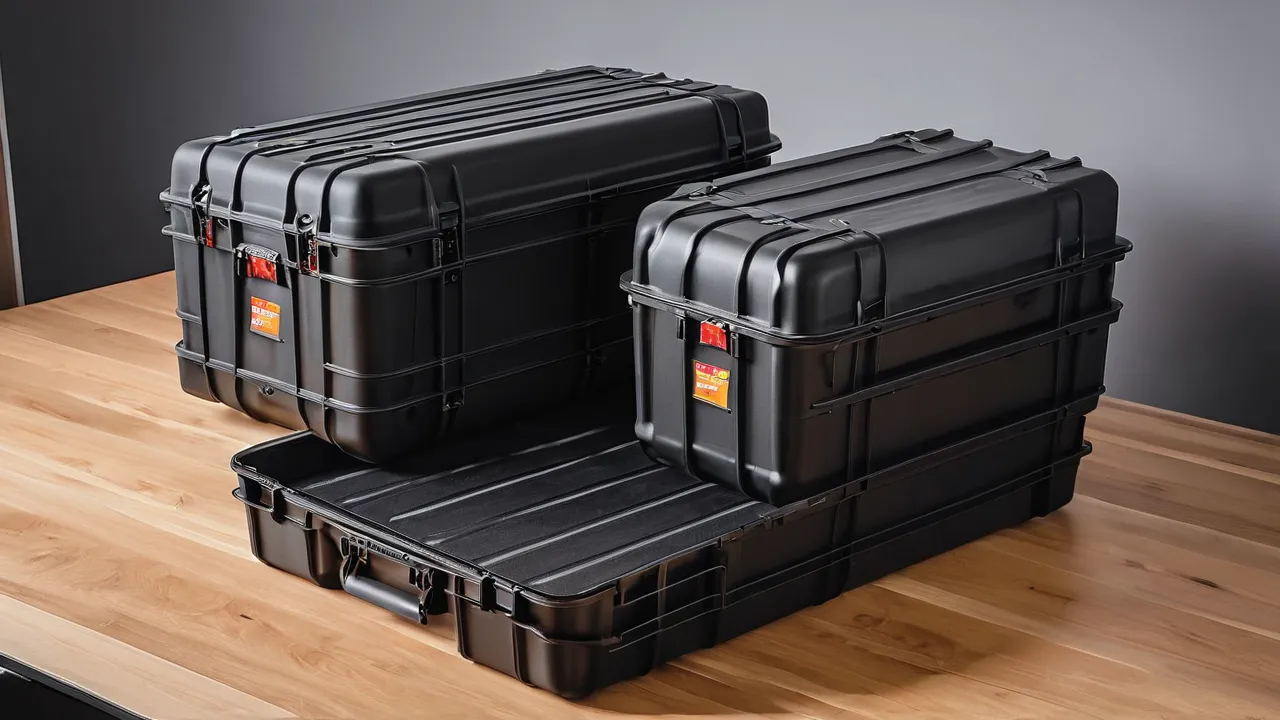
A hard shell rooftop cargo carrier is the better choice for weather protection, security and a quieter ride, while a soft carrier wins on storage footprint, price and flexible loading. If you use the carrier often, haul in rain or snow, or leave it on the car, choose hard. If you travel a few times a year and have little storage room, a soft carrier can serve. This guide compares the two on the points that matter.
How each design works
A hard shell carrier is a rigid box, usually made from plastic or composite, with a lid that latches and locks. It mounts to crossbars with clamps or U-bolts. A soft carrier is a fabric bag with zippers and straps that attach to the roof, either to a rack or, in some designs, through the car doors. The hard box holds its shape, while the soft bag collapses when empty.
Both add weight and wind drag. Your vehicle manual and the carrier manual set the maximum roof load, and the carrier’s own weight counts toward it. Check those limits before buying either type.
Some soft carriers rely on a base mat to protect the roof and on straps that run through the doors, which can leave gaps at the door seals that let in wind and water. Others mount to crossbars with straps and hooks, which is usually more secure. If you do not own crossbars, ask whether the soft carrier is designed for a bare roof and how it attaches, since a poor attachment is a safety concern.
Weatherproofing
Hard carriers have tight lid seals and rigid walls, so they shed rain and snow well, though no seal is perfect in every storm. Soft carriers vary. Some use coated fabric, welded seams and storm flaps that resist rain, and others leak at zippers and seams in heavy weather. Many travelers pack valuables in dry bags inside a soft carrier for extra protection. Check the maker’s description of seams and zippers.
Wind and speed change the picture. A hard shell with a good shape cuts through the air with less drag, which may be quieter on a highway. A soft bag that is not full flaps and drums in the wind, which adds noise and wear. If you use a soft carrier, pack it firmly and cinch the straps so the fabric does not move.
Security
A hard carrier has a locking lid and rigid walls, which resist casual theft. A determined thief can still break any box, so do not leave valuables in the carrier overnight. A soft carrier has zippers that can be locked with small padlocks, but a knife can slit the fabric. For trips where the vehicle is parked in public places, a hard box is the more secure option.
On overnight stops, many travelers move valuables to the room whichever carrier they use, and leave bulky items such as camping chairs in the box. A lock deters opportunists but not determined thieves, and that is the realistic expectation. A hard box with a latch that shows when it is not closed also prevents a lid from opening on the road.
Storage footprint
Off the car, a hard box takes up space in a garage, on a wall or hanging from the ceiling on a hoist. It is bulky and awkward to move, and some need two people to lift onto the car. A soft bag folds into a small package that fits on a shelf or in a closet and is light to handle. If your garage is crowded, a soft bag is easier to live with.
- Weather resistance: hard has rigid walls and seals, soft varies by fabric and seams.
- Security: hard locks with rigid walls, soft has zipper locks and cuttable fabric.
- Storage off the car: hard is bulky, soft folds small.
- Loading: hard has a fixed shape that is easy to organize, soft is flexible and fits odd shapes.
- Wind noise and drag: hard is lower with a good shape, soft is higher if not fully packed.
- Durability: hard lasts long if cared for, soft fabric wears and zippers can fail.
Hard boxes can be stored on a ceiling hoist or against a garage wall with padding to prevent cracks. Store them out of direct sun and do not stack heavy items on them. Soft bags should be stored dry and clean to prevent mildew, which spoils fabric and smells bad. Both types last longer when cleaned after use and stored with care.
Loading and shape
A hard box has a fixed volume and often opens from one or both sides, which helps loading from either side of the car. Items must fit its shape, and long items may not. A soft carrier adapts to odd shapes such as duffel bags and bulky gear, but it must be packed firmly so it does not flap. Pack heavy items low and centered in either type.
Think about what you carry. Skis and long items suit certain hard boxes made for length. Bulky camping gear and duffel bags may fit a soft carrier better than a rigid box with a narrow opening. Measure your largest items and compare them with the opening and interior dimensions in the manual. Stated interior volume is larger than usable space, so leave a margin.
Durability and long-term cost
Hard boxes tend to last longer if they are not overloaded or left in harsh sun for years. UV exposure can fade and weaken plastic over time, and latches and seals wear. Soft carriers wear at seams, zippers and straps, and the coating can crack. Replace straps and hardware that show wear. A longer-lasting carrier fits a buy-once approach, and our cargo carrier guide compares options.
Whichever you buy, look for a manual with a clear weight limit, replacement parts for hardware and a maker that supports the product over time. A carrier that can be repaired, with replacement latches, straps or seals, lasts longer than one that must be discarded when a part fails. Check how it is made, with reinforced stitching on soft bags and thick walls on hard boxes.
Verdict by buyer type
- Frequent road tripper or commuter with gear on the roof: hard shell.
- Family that travels a few times a year with limited storage: soft carrier with dry bags.
- Skier or winter traveler: hard shell, ideally with a shape that suits long items.
- Camper with bulky, oddly shaped gear: soft carrier, or a larger hard box with wide opening.
- Renter or apartment dweller with no storage: soft carrier.
- Owner of a vehicle with a low roof limit: check the carrier’s own weight first, since soft bags are lighter.
Safety and fit
Always follow the carrier and vehicle manuals for mounting and weight limits. Recheck mounts and straps after the first few miles and at fuel stops. Remember the added height when entering garages and drive-throughs. Avoid exceeding the dynamic load limit, which is the limit while driving. Balance the load and do not let items stick out. Our roof racks and cargo carriers category has fitting guides, and how we review explains how we weigh safety advice.
A simple decision aid
Count how many times you expect to load the carrier in a year. If the answer is more than a handful, the hard box usually justifies its size and cost. If you will use it once or twice a year and can borrow or rent, the soft bag saves space and money. Then check three limits: the vehicle’s roof load rating, the crossbar spacing the carrier requires and the clearance in your garage. If any of the three fails, revisit the choice before buying. Finally, think about the worst weather you will drive in. A trip through a week of heavy rain is easier with a rigid box that shuts firmly, and the extra confidence is part of what you pay for.
Care and cleaning
Rinse either carrier with fresh water after trips through salt or mud, and let it dry completely before storing it. Clean hard boxes with mild soap and a soft cloth, and avoid solvents that can craze plastic. Wipe the lid seal and lubricate locks lightly. For soft bags, shake out debris, wipe with mild soap, check seams and zippers, and treat them with a fabric protector if the maker allows. Replace worn straps promptly, because a failing strap on the road is a hazard.
Frequently Asked Questions
Is a hard or soft rooftop cargo carrier better?
Hard is better for weather protection, security and a quieter ride, and it lasts longer with care. Soft is better for storage, price and odd-shaped gear. Choose by how often you travel and how much space you have off the car.
Are soft cargo carriers waterproof?
Some are highly water-resistant with coated fabric and welded seams, but zippers and seams can leak in heavy rain. Packing items in dry bags gives extra protection. Read the maker’s description and expect hard boxes to seal better.
Can I use a soft cargo carrier without a roof rack?
Some designs attach through the car doors and are made for bare roofs, but check the maker’s fit guide and your vehicle manual. Door-strap designs can let in wind and water and may not suit every vehicle. Crossbars give a more secure mount.
Do rooftop cargo carriers hurt gas mileage?
Yes, both types add drag, and a partly empty soft bag can add noise and drag. The effect varies by vehicle, speed and shape. Remove the carrier when you do not need it, and drive a little slower with it on.
Final Thoughts
Choose hard for frequent use, weather, security and a clean ride, and soft for occasional trips, tight storage and flexible gear. Check your vehicle’s roof limit, the crossbar fit and your garage clearance first. Whichever type you choose, pack low and centered and recheck the mounts. If you will use the carrier more than a handful of times a year, buy the hard box. If you will use it once or twice and have nowhere to store a box, buy the soft bag and some dry bags.
Related buying guides
- How to Choose a Roof Rack: Crossbars, Fit and Load Limits
- How to Install a Rooftop Cargo Carrier Without Damage
- Kayak and Bike Roof Rack Guide: Carriers and Fit
About the author

The BuyOnceChoice Editorial Team researches durable products worth buying once. Our guides compare published specifications, warranty terms, expert review consensus, and verified owner feedback. We do not conduct our own product trials. See How We Review and our Editorial Policy for our standards.