Roof Rack Load Limits: Static vs Dynamic Weight
Three ratings apply to every roof load and only the lowest counts. Learn static versus dynamic limits and how to add up cargo, carrier and rack.
 By BuyOnceChoice Editorial Team
Updated November 16, 2026
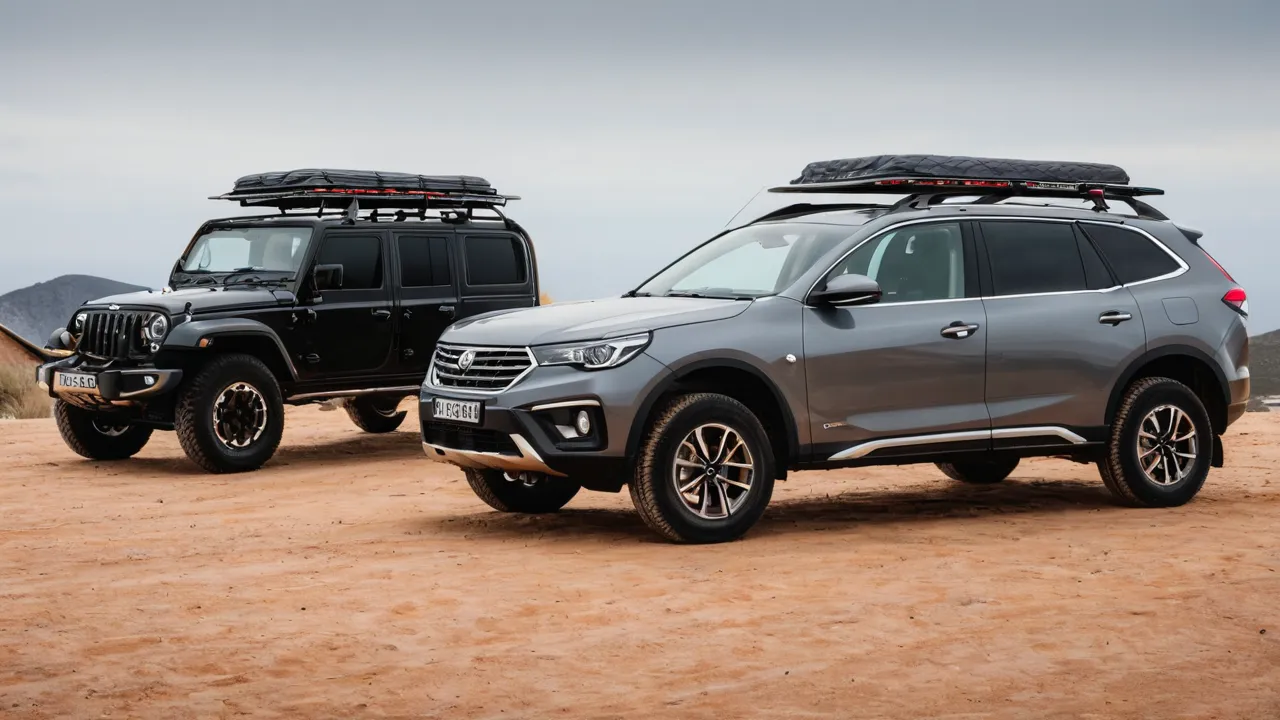
A roof rack weight limit is the most weight you can carry on top of your vehicle, and the number that counts is the lowest of three ratings: your vehicle’s roof, the crossbars or rack, and the carrier you mount on them. The dynamic limit applies while you drive, and the static limit applies when the vehicle is parked, such as with a rooftop tent. Dynamic is usually the smaller number, and it is the one to follow for travel. Always confirm each figure in the manuals before you load anything.
The three ratings and where to find them
Every roof system is a chain, and the weakest link sets your limit.
- The vehicle roof rating. This is the maximum load the manufacturer allows on the roof, found in the owner manual, often under “roof rack,” “cargo” or “loading.” Many cars list a figure somewhere in the low hundreds of pounds, but the number varies a lot by model, and some vehicles list nothing for the bare roof.
- The crossbar or rack rating. The rack maker publishes a load limit for its crossbars, usually on the product page, in the instructions or on the packaging. It may be higher than the vehicle limit, but it does not raise the vehicle limit.
- The carrier rating. Cargo boxes, baskets, bike mounts and ski carriers each have their own capacity, listed in the instructions or on the product.
The usable limit is the lowest of the three. A strong rack on a roof that can only take a small load does not let you carry more, and a high roof rating does not make a light basket safe for heavy gear. If you cannot find a number, ask the manufacturer before guessing.
Some vehicles also state different limits for factory rails versus a bare roof, or for raised rails versus flush ones. Check which type you have and match the rack to what the manual calls for.
Static versus dynamic: what changes
Dynamic load is the weight you carry while the vehicle moves. Driving adds forces from braking, cornering, bumps and wind, which put stress on the rack and the mounting points. That is why dynamic ratings are lower than static ones.
Static load is the weight the roof can support when parked and not moving. A rooftop tent with sleepers is the classic example. Static ratings can be several times the dynamic rating, but you should not use them to load a moving vehicle. If you carry a tent while driving, the tent’s weight counts against the dynamic limit, and the people inside only matter when the vehicle is parked and within the static limit.
Consider a rooftop tent as an example. The tent might weigh a hundred pounds or more by itself, so even before gear it can use most of a modest dynamic limit. Add two adults at night, and the combined weight may be fine for the static rating but would be far over any dynamic one. That is why such tents are usually paired with vehicles and racks that list a high static rating, and why you should read the tent maker’s requirements alongside the vehicle manual.
Two practical rules follow. First, use the dynamic number for anything that rides on the roof while you drive. Second, if you plan to sleep on the roof, check both numbers, and make sure the parked vehicle is level and stable on firm ground.
Add it up: a worked sum
Here is a worked example with made up numbers to show the method.
Suppose the vehicle manual lists a roof limit of 150 pounds, the crossbars are rated for 165 pounds, and the cargo box is rated for 110 pounds. The box weighs 35 pounds empty, and the crossbars weigh 15 pounds.
- The lowest rating is the roof at 150 pounds.
- Subtract the crossbars and box, which are part of the load: 150 minus 15 minus 35 leaves 100 pounds.
- The box can hold 110 pounds, which is above that.
- So the most gear you can pack is 100 pounds, set by the roof.
If the roof limit had been 200 pounds, the box’s own limit of 110 pounds would have become the cap. Always run the numbers with your own figures, and check whether the roof rating includes the weight of the rack or only the cargo. If the manual is unclear, assume the rack counts, which is the safer reading.
Write the final figure on a note in the glovebox so passengers and future you can see it. Add a margin. Real loads shift, and gear gets wet. Staying comfortably below the limit is better than loading right up to it.
Gear weights you should not guess
People underestimate what they load. Weigh the items on a bathroom scale or read the product label before you pack, and write the weights down.
- Bikes, skis, kayaks and paddle boards have weights listed by the maker, and bike mounts add their own weight.
- Water, wet gear and snow add weight quickly, especially in a cargo box.
- Hard cases, tools, coolers and camp gear are heavier than they look. A full cooler can weigh far more than expected.
- Add the weight of the mounting hardware, the box or basket and any accessories such as fairings.
Count the carrier too. A heavy empty box leaves less capacity for cargo, so a lighter box may give you more usable load. The best cargo carrier guide covers what to compare when you pick one.
Weight distribution, checks and common mistakes
Spread the weight evenly across both crossbars and center it over the vehicle, with the heavier items low and in the middle of the box. Keep the load balanced side to side, and avoid stacking tall items that catch the wind. A loaded roof raises the center of gravity, so brake earlier, take corners slower, and expect more sway in crosswinds.
Check the system before and during a trip:
- Confirm the rack is mounted per the instructions and that fasteners are tight.
- Shake the loaded rack and box to see whether anything shifts or rattles.
- Tie down loads with straps that are rated for the job, and secure loose ends so they do not flap.
- Recheck after the first few miles and at each stop, since vibration loosens fittings.
- Mind the new height, especially at garages, drive throughs and low bridges.
The mistakes that show up most often are simple. Owners use the static number for a moving load, ignore the vehicle limit because the rack is rated higher, forget to count the weight of the box and crossbars, load all the weight at the front or back of the box, and skip rechecks. Each is fixed by following the lowest limit and checking the system often.
Hitch limits are separate
If you use a hitch carrier instead of a roof system, the limits are different. A hitch has a tongue weight limit and a gross towing limit, and the receiver class sets the maximum for each. The vehicle’s rating, the receiver and the carrier each have a number, and again you follow the lowest. A carrier that holds bikes also puts weight behind the rear axle, which affects steering and braking, so keep the load light and balanced and check the manual. Browse the roof racks and cargo carriers category for the options, and read the vehicle manual for the hitch rating.
Safety
Never exceed the lowest rated limit of the vehicle roof, crossbars or carrier. Follow the manuals for mounting, torque and spacing of the crossbars. If you are unsure about fitting a rack to a panoramic roof or a vehicle with special rails, ask the vehicle maker or a qualified installer. Do not drive with a shifting or unsecured load, and drive more slowly than usual. Remove the rack or box when you do not need it, since it adds drag and wear.
Frequently Asked Questions
How much weight can my roof rack hold?
It can hold the lowest limit among the vehicle roof, the crossbars and the carrier. Find each number in the owner manual and the product instructions, subtract the weight of the rack and box if the roof rating includes them, and use the dynamic limit while driving. If you cannot find a figure, ask the manufacturer.
What is the difference between static and dynamic roof load?
Dynamic load is the weight you can carry while the vehicle is moving. Static load is what the roof can support while parked, such as for a rooftop tent. Static limits are usually higher, but you should use the dynamic limit for anything that rides on top while you drive.
Does the weight of the cargo box count toward the limit?
Yes, in most cases. The box, crossbars and any mounts add to the load on the roof, so subtract their weight from the roof rating to find how much cargo you can pack. If the manual is not clear about whether it includes the rack, use the safer assumption that it does.
Can I put more weight on the roof than the vehicle rating if the rack is stronger?
No. The vehicle roof rating is a hard cap, and a stronger rack does not raise it. The lowest of the roof, crossbar and carrier ratings sets your limit. If you need more capacity, consider a hitch carrier within its rated tongue weight, or carry less.
Final Thoughts
The rule is simple: find the roof, rack and carrier ratings, follow the lowest, use the dynamic number while driving, count the weight of the rack and box, and leave a margin. Spread the load, secure it and recheck at stops. When a number is unclear, read the manual or ask the maker. For how we approach buying advice, see how we review.
Related buying guides
- Roof Rack vs Cargo Box vs Hitch Carrier: Which to Pick
- Cargo Carrier Mistakes: Wind Noise, Mileage and Locks
- Hardshell vs Softshell Cargo Carrier: Pros and Cons
About the author

The BuyOnceChoice Editorial Team researches durable products worth buying once. Our guides compare published specifications, warranty terms, expert review consensus, and verified owner feedback. We do not conduct our own product trials. See How We Review and our Editorial Policy for our standards.