How to Choose a Roof Rack: Crossbars, Fit and Load Limits
Factory mounting points, side rails or a bare roof each need different hardware. Learn how to match a rack to your vehicle and your load.
 By BuyOnceChoice Editorial Team
Updated November 16, 2026
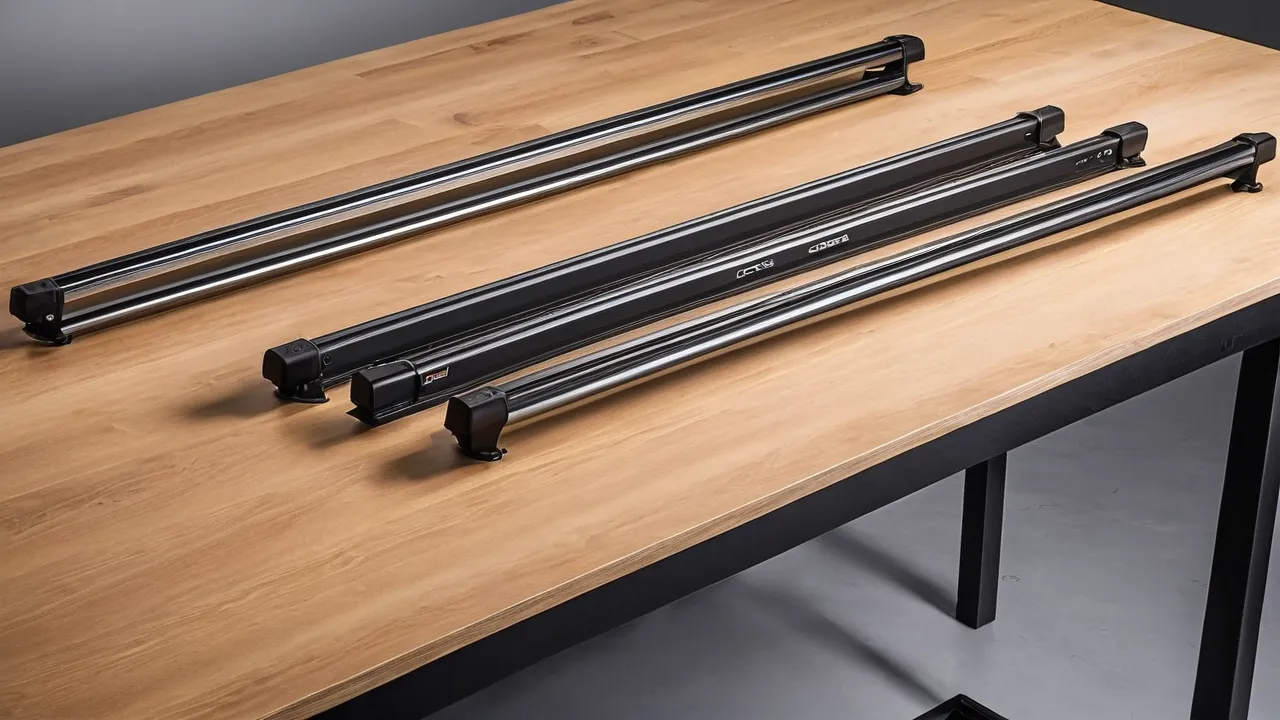
To choose a roof rack, identify your roof type, find the load limits in the vehicle manual, pick a crossbar shape and material that suit your use, and confirm that the exact rack fits your exact vehicle. The roof type decides which mounting system you can use, and the load limit decides how much you can carry. Skipping either check is the main reason people end up with a rack that does not fit or is unsafe.
Step one: identify your roof type
Look at the roof of your vehicle. Most fall into a few categories, and each takes a different kind of rack.
- Bare or naked roof: a smooth roof with no rails or attachment points. Racks clamp into the door frames with fit-specific pads and clips.
- Raised side rails: rails that run front to back with a gap under them. Crossbars clamp to the rails.
- Flush side rails: rails that sit tight against the roof with no gap. These need a rack foot made for flush rails.
- Fixed points: small hidden or exposed mounting points in the roof, often under plastic covers. Racks bolt to these points.
- Factory crossbars: bars already attached to the rails. They may carry light loads or accept accessories.
Check your vehicle manual and the rack maker’s fit guide for the exact roof type, since the same model can come with different roofs in different trim levels.
Step two: find the load limits
Three limits matter, and the lowest one controls. The vehicle maker sets a roof load limit, found in the owner’s manual. The rack maker sets a limit for the crossbars and feet. The carrier or accessory has its own limit. Weight of the rack, carrier and cargo all count.
The dynamic limit is the limit while driving. It is lower than the static limit, which applies when the vehicle is parked. Use the dynamic limit for planning. Some vehicles, especially those with panoramic roofs or a sloped roofline, have lower limits than you expect, and some allow a higher limit only with factory rails and not with clamp-on racks. Read the manual carefully and, if figures are unclear, ask the vehicle or rack maker.
A worked limit check
Write the vehicle’s roof limit on a card. Subtract the weight of the crossbars and feet, then subtract the weight of any carrier or accessory. What remains is your cargo allowance. For example, if the roof limit is a round number and your rack and box together weigh a good fraction of it, you may have much less than you thought for cargo. Check every figure against the product documents and do the arithmetic before buying.
Step three: choose the crossbar shape
Crossbar shape affects noise, drag and what accessories fit.
- Round bars: inexpensive and widely compatible, but noisier and less aerodynamic.
- Square bars: strong and common on work racks and basic setups, with limited accessory fit.
- Aero or wing-shaped bars: quieter and more efficient, a good choice for daily driving.
- Bars with a T-slot: accept accessories that slide into a channel, which makes mounting simple.
Bar length also matters. Bars that extend past the roof edge catch the wind and may touch the door. Bars should reach at least wide enough to carry your gear and not so wide that they hit mirrors or the open doors. Check the spacing between the bars against the requirements of your carrier or accessory. Many carriers need a particular spread.
Why a factory bar is not always enough
Factory crossbars are often fine for light loads such as a small bag, but they may have a low load limit and may not accept a carrier or a mount. They can look sturdy while carrying only a modest limit. Check the rating in the manual. If the bars cannot carry your cargo or accept your accessory, you may need to replace them with aftermarket bars. Some owners add an accessory-specific mount that clips to factory bars, though the limit stays with the factory rating.
Step four: material and finish
Steel is strong and heavy and often cheaper. Aluminum is lighter and resists rust. Plastic covers and end caps reduce noise and protect against sharp edges. In snowy regions, salt can attack cheap finishes, so look at coating quality and drain holes. Check whether locks come with the rack, and whether the feet and clamps are metal or reinforced plastic. A rack that you plan to leave on year-round should have a durable finish. If you take it off often, weight and ease of mounting matter more.
Step five: confirm fit for your exact vehicle
Use the rack maker’s fit guide, which lists a vehicle by make, model, year range and roof type, then selects the right feet and clips. Do not assume that a rack for a similar vehicle fits yours. For bare roofs, a vehicle-specific clip set is essential. For rails and fixed points, check which foot pack matches your rail design. If your vehicle has a sunroof, check clearance for the glass when it opens.
Before the first trip, install the rack and check that the bars sit level and square to the vehicle, that the doors and tailgate open freely and that the rack does not touch the glass. Retighten after a short drive, as parts settle. Keep the instructions, and note any torque specifications.
Accessories and what they need from the rack
Cargo boxes, bike mounts, kayak carriers, ski racks and lumber stops each attach differently and have their own weight and spacing needs. Decide what you will carry before choosing the bars, because a bar that fits one accessory may not fit another. Our best cargo carrier guide covers boxes, and the roof racks and cargo carriers category lists related guides for other loads.
Safety, cost and installation
Follow the rack and vehicle manuals for installation and limits, balance the load and recheck mounts at fuel stops. Remember the added height for garages and drive-throughs. Do not exceed the dynamic limit. Cost depends on bars, feet and the fit kit, and used racks can be a bargain, but check for cracks, worn clamps and missing parts and confirm that the feet match your roof. Installation is often a one-person job, though bars on a bare roof may need a helper. If you are unsure, ask a qualified installer.
Noise and everyday use
A rack changes how a car sounds and uses fuel. Aero bars and end caps reduce noise, and removing the rack when you do not need it saves fuel and wear. Store crossbars out of the sun. Whistling can come from the gap between the bar and the roof or from an open end of a bar. A fairing and caps often fix it.
Who should choose which
- Casual weekend use with a cargo box: aero bars with a fit kit for your roof, easy to put on and take off.
- Daily use with sports gear: aero bars with a T-slot and locks, left on the vehicle.
- Work use with lumber or ladders: square or heavy steel bars with a high rating and tie-down points.
- Bare roof vehicle owner: a vehicle-specific clip kit and bars, checking the load limit.
- Owner of a vehicle with factory rails and a high limit: a foot pack made for that rail type.
Read how we review for how we weigh fit and load ratings.
A pre-purchase checklist
- Write down the vehicle make, model, trim, body style and whether it has a sunroof.
- Identify the roof type and note any factory points under covers.
- Copy the roof load limit from the manual, and the dynamic figure if two are listed.
- Decide what you will carry in the first year and check each item’s weight.
- Look up the rack maker’s fit guide and note the foot pack and fit kit it names.
- Check bar length against your cargo and against door and tailgate swing.
- Plan storage for the bars when they are off the vehicle.
Common regrets
Owners often regret buying bars before choosing the carrier, since spacing requirements then do not match. Others find that a bare-roof clip kit leaves marks on door frames when installed carelessly, so clean the surfaces and follow the instructions. Some buy round bars to save money and then dislike the noise on highway drives. A few find that the rack makes the vehicle too tall for the garage. A short measuring session at home before you buy avoids most of these.
Frequently Asked Questions
Do I need crossbars for a roof rack?
Most cargo boxes, bike mounts and kayak carriers attach to crossbars, so yes. Some vehicles come with factory crossbars, and others need aftermarket bars and a fit kit. Check the load limit of any bars before you add cargo.
What is the difference between dynamic and static roof load?
Dynamic load is the weight the roof can carry while the vehicle is moving, and it is lower than static load, which applies when parked. Use the dynamic limit from your vehicle manual for planning, and include the rack and carrier weight.
Can I put a roof rack on a car without rails?
Yes, many racks clip into the door frames of a bare roof using vehicle-specific pads and clips. Use the maker’s fit guide to find the right kit, and check the vehicle’s roof load limit, since it may be lower.
How do I choose roof rack crossbars?
Consider the shape, such as round, square or aero, for noise and accessory fit. Check the length, load rating, material and finish, and confirm that the bars fit your roof type and your carrier’s spacing.
Final Thoughts
Choose a roof rack in order: roof type, load limits, bar shape, material and exact fit. Confirm that the rack suits the accessories you will use, install it as the manual says and recheck it after a short drive. A rack that fits your vehicle and your load will be quiet, safe and long lasting.
Related buying guides
- How to Install a Rooftop Cargo Carrier Without Damage
- Kayak and Bike Roof Rack Guide: Carriers and Fit
- Roof Rack Load Limits: Static vs Dynamic Weight
About the author

The BuyOnceChoice Editorial Team researches durable products worth buying once. Our guides compare published specifications, warranty terms, expert review consensus, and verified owner feedback. We do not conduct our own product trials. See How We Review and our Editorial Policy for our standards.