Roof Rack vs Cargo Box vs Hitch Carrier: Which to Pick
Three ways to add cargo space, three different compromises. Follow this decision flow using your vehicle, your gear and your garage.
 By BuyOnceChoice Editorial Team
Updated November 16, 2026
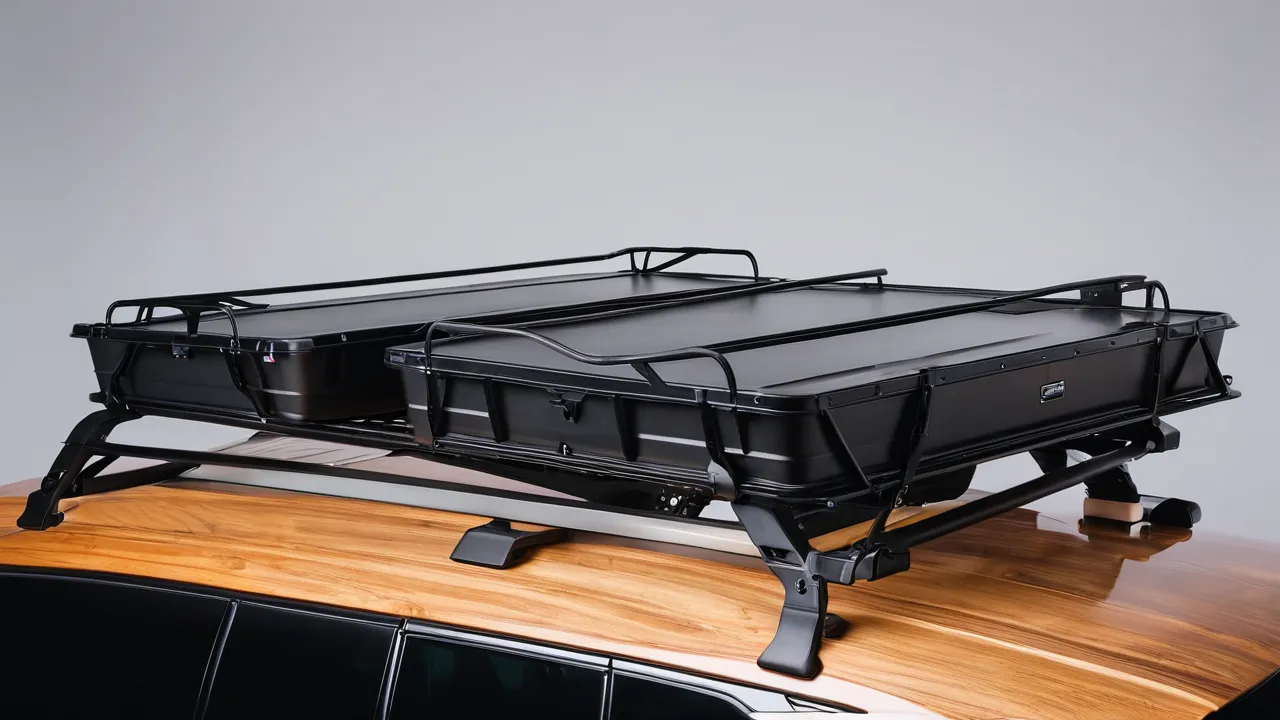
Roof box versus roof rack versus hitch carrier is a choice among three ways to add cargo space to a vehicle. A roof rack is open crossbars that hold bikes, kayaks and gear, a roof box is an enclosed, lockable shell on those crossbars for luggage and soft items, and a hitch carrier is a platform or rack that slides into the trailer hitch receiver at the rear. Pick a roof box for secure luggage, a roof rack for sports gear and tall items, and a hitch carrier for heavy loads and easy loading, if your vehicle can take a hitch.
What each option is
A roof rack is a set of crossbars that attach to rails, fixed points or the bare roof, and it works as a base for many attachments. On its own it carries long items such as boards and ladders, and with mounts it holds bikes, skis and kayaks. A roof box (also called a cargo box or rooftop carrier) bolts or clamps to the crossbars and encloses cargo against weather and theft. A basket is an open version for bulky items.
A hitch carrier plugs into the receiver on the back of a vehicle. It can be a flat tray for cargo, a platform for bikes or a hanging rack. It sits low behind the bumper, which makes loading easy but changes how the rear of the vehicle behaves and may block the tailgate unless it tilts or swings away.
Each option has weight limits that you must follow, found in the vehicle manual and the product instructions. The roof racks and cargo carriers category lists the main types.
Fuel economy and wind noise
Anything that sticks out into the airflow adds drag and costs fuel, and results vary by vehicle, speed and shape. An empty roof rack with bars still creates some wind noise and drag, a roof box adds more because of its frontal area, and a loaded open rack with bikes or a kayak often adds the most turbulence. A hitch carrier sits in the wake behind the vehicle, so it tends to have less effect on fuel economy and noise than a roof load, though a big flat load can still raise drag.
Practical ways to reduce the impact:
- Remove the rack and box when you are not using them.
- Choose a streamlined, low profile box that is sized to what you carry, not the largest one available.
- Fit a wind fairing on the front of an open roof rack if the maker offers one.
- Drive at moderate speeds, since drag grows quickly with speed.
If you drive long highway miles with gear, the hitch carrier is often the quieter, more efficient pick. If you only travel occasionally, the difference matters less than convenience.
Loading and access
A roof box and rack need a lift. You raise bags above your head, which is harder for shorter drivers, heavy items and anyone with a bad back. Tall vehicles make it worse. A step stool and a box that opens on both sides help, and boxes that open from the passenger side are handy at the curb. A hitch carrier is much easier to load at waist height, which suits coolers, heavy bags and bikes.
On the other hand, a hitch carrier can block the rear hatch. A tilting or swing away design lets you open the tailgate, but it adds cost and moving parts. A roof box leaves the rear free, and roof gear does not block the back camera or the license plate, which hitch carriers sometimes do. Check the plate and lights rules in your state, since a carrier that covers them may need a light board.
Storage and vehicle fit
When the system is not in use
A roof box is large and awkward to store, and it needs a wall or ceiling hook, a garage with room, or a spot in a shed. Crossbars are small and easy to leave on or stash. A hitch carrier is compact but heavy, and some models fold. Think about where you will keep it for most of the year, because a box that is hard to store tends to stay on the car and cost fuel.
Vehicle fit
Check what your vehicle supports before you choose.
- A roof rack or box needs a compatible rail or mounting system and a roof limit that suits your load.
- Tall vehicles may lose garage clearance with a roof box, so measure the height of your garage door and your usual parking spots.
- A hitch carrier needs a receiver of the right class, and some vehicles, such as certain sedans and small crossovers, may not take one or may have a low tongue weight rating.
- Check the vehicle manual for hitch and roof limits before you buy.
Security, weather and safety
Security and weather
A roof box is lockable and weather resistant, so luggage, shoes and clothing ride dry and out of sight. Open roof racks and hitch platforms expose the cargo to rain, road spray and theft, so you need cable locks, covers and sensible parking. Hitch carriers collect road grime, salt spray and heat from the exhaust, so expect more cleaning and wear.
Soft items such as sleeping bags and clothes belong in a box or in waterproof bags. Bikes, kayaks and boards are happy outside if mounted properly and locked. Neither roof boxes nor hitch carriers are waterproof in every condition, so wrap valuables in bags.
Safety and limits
Follow the weight limits for the vehicle roof, crossbars, carrier and hitch, and use the lowest of them. Do not mix a higher rated rack with a lower rated roof and assume the rack decides. Secure every load with proper straps or locks, recheck after the first few miles, and remember that a loaded roof raises the center of gravity and affects handling. A hitch carrier shifts weight behind the rear axle, so keep it light and balanced. Ask the vehicle maker if you are unsure about a mounting point.
Decision flow
Work through these questions in order.
- What are you hauling: luggage and soft gear, long or awkward items, bikes, or heavy cargo?
- Does your vehicle have a compatible roof rack system, and what is the roof load limit?
- Does it have or can it take a hitch receiver, and what is the tongue weight limit?
- Can you lift gear to the roof, or is that a problem?
- Where will you store the system when it is off the vehicle?
- Does your garage or parking spot limit the height?
- How often will you use it and how far do you drive on highways?
If most answers favor secure luggage and the vehicle has a rail system, choose a roof box. If you carry bikes, boards or long items, and you do not mind lifting, choose a roof rack with the right mounts. If your cargo is heavy, you load often, or you cannot lift overhead, and the vehicle can take a hitch, choose a hitch carrier. The best cargo carrier guide helps you compare specific designs.
Who should choose which
Here are three example households.
A family of four with luggage for a week: a roof box, since the cargo is soft, needs weather protection and benefits from a lock. They should size the box to their luggage and keep the gear inside within the box and roof limits.
A couple with two mountain bikes who often drive on the highway: a hitch bike platform if the vehicle accepts a hitch, because loading is easier and it avoids the drag of bikes on the roof. If the vehicle cannot take a hitch, a roof rack with fork or frame mounts is the fallback.
A solo owner with a small hatchback and a kayak: a roof rack with kayak cradles, because the load is long and light, and a hitch is not an option on many small cars.
Skip a roof box if you cannot lift overhead or have a low garage. Skip a hitch carrier if your vehicle has a low tongue rating or no receiver. Skip a roof rack if your roof has no rated mounting system and the manual does not allow one.
Frequently Asked Questions
Is a roof box or a hitch carrier better?
A roof box is better for secure, weatherproof luggage on a vehicle with a roof rack system. A hitch carrier is better for heavy items and bikes, since you load at waist height and it has less effect on fuel economy and noise. Your vehicle’s roof and hitch ratings often decide which options are open to you.
Do roof racks hurt gas mileage?
Yes, to some degree. Any rack or box adds drag, and the effect depends on the vehicle, speed and shape. An empty rack adds a little, a roof box adds more, and a loaded open rack can add the most. Remove the system when it is not in use to cut the cost.
Can any car use a hitch carrier?
No. A hitch carrier needs a receiver hitch of the right class, and some vehicles cannot take one or have low tongue weight ratings. Check the vehicle manual for the hitch and tongue weight limits, and have a qualified installer fit the receiver. If the car cannot take a hitch, a roof system is the alternative.
Which is safer for bikes, a roof rack or a hitch carrier?
Both are safe when mounted correctly and used within their limits. A roof rack keeps bikes high, which affects clearance and height, while a hitch carrier keeps them low and behind the vehicle. Follow the product instructions, secure the wheels and frames, recheck at stops, and mind the rated limits.
Final Thoughts
Choose a roof box for secure luggage, a roof rack for bikes and long gear, and a hitch carrier for heavy loads and easy loading if your vehicle supports a hitch. Check the vehicle’s roof and hitch ratings first, think about lifting, storage and garage height, and follow the lowest limit in the system. For how we weigh these tradeoffs, see how we review.
Related buying guides
- Cargo Carrier Mistakes: Wind Noise, Mileage and Locks
- Hardshell vs Softshell Cargo Carrier: Pros and Cons
- How to Choose a Roof Rack: Crossbars, Fit and Load Limits
About the author

The BuyOnceChoice Editorial Team researches durable products worth buying once. Our guides compare published specifications, warranty terms, expert review consensus, and verified owner feedback. We do not conduct our own product trials. See How We Review and our Editorial Policy for our standards.