Dutch Oven for Bread: Size and Shape Checklist
Loaf fit, preheat weight, and enamel wear decide which pot suits bread. Use this checklist for size, shape, lid knob, and safety.
 By BuyOnceChoice Editorial Team
Updated November 16, 2026
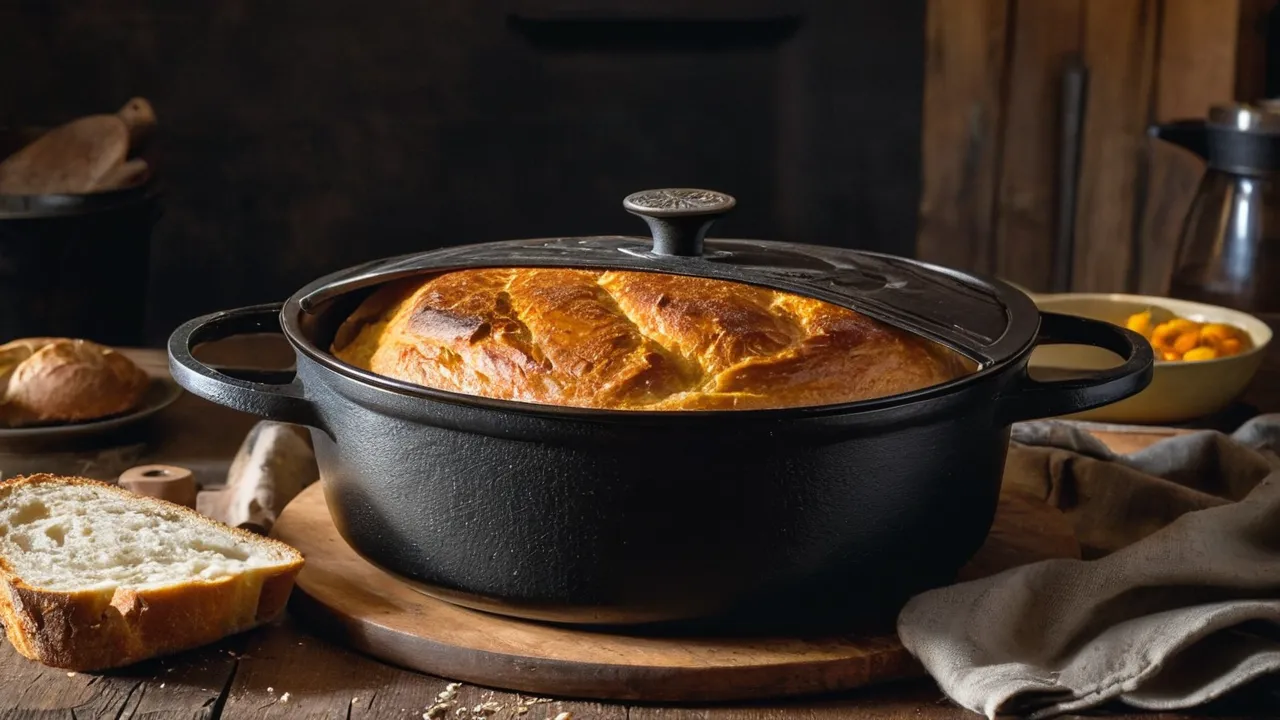
A Dutch oven for bread baking should be about 5 to 6 quarts for a standard round loaf, have a tight-fitting lid, a lid knob rated for your oven temperature and an interior you can load a loaf into without burning your hands. Round pots suit boules and oval pots suit longer batards, and the checklist below helps you match size, shape, handle clearance and enamel condition to the bread you bake.
Why a Dutch Oven Works for Bread
A heavy lidded pot traps the steam that rises from dough during the first part of baking. That steam keeps the crust soft and stretchy while the loaf expands, which gives better oven spring and a thin, crisp crust once the lid comes off. The thick walls hold heat, so the pot acts like a small, hot oven inside your oven.
Cast iron and enameled cast iron are the usual materials. Bare cast iron handles very high heat, while enameled pots protect against rust but have temperature limits on the enamel and on the knob. Our Dutch oven category covers the pots in detail, and our cookware overview lists related categories.
Size and Shape Checklist
Work through these points before you buy or use a pot for bread.
- Capacity: for a loaf made with roughly 500 grams of flour, a pot of about 5 to 6 quarts is common. A smaller pot, such as 3 to 4 quarts, suits a small loaf, and larger pots give a flatter loaf because the dough spreads.
- Interior diameter: for a round loaf, look for about 9 to 10 inches across inside. Measure the dough’s proofed size and make sure it fits with room to expand.
- Depth: a deeper pot gives the loaf height, but a pot that is too deep makes loading and scoring harder.
- Shape: round pots suit boules, and oval pots suit batards and long loaves. Choose the shape you bake most.
- Lid fit: the lid should sit tightly with no rocking, so steam stays in.
- Handles: check that you can grip the pot with oven mitts, and that there is clearance on your oven rack.
- Weight: a full preheated pot is heavy. Make sure you can lift it safely with two hands.
- Interior color: a light enamel makes it easier to see how the bottom crust is browning.
If you are unsure, start with a 5 to 6 quart round pot. It is the most common size for home bread recipes.
Lid Knob and Heat Limits
Many bread recipes preheat the pot to a high temperature, often in the 450 to 500 degree Fahrenheit range, though recipes vary. The pot’s materials must be able to handle that. Check the maker’s stated maximum oven temperature for the pot and for the lid knob. Some knobs are plastic or phenolic and have lower limits than metal knobs. If your knob is not rated for the temperature you need, you may be able to replace it with a metal knob the maker recommends, or you can check the maker’s guidance on removing the knob. Do not use a knob you are not sure about at high heat.
Enamel also has limits, and rapid temperature changes can crack it. Preheat the pot with the oven, not on a stove burner, and do not put a hot pot in water. See the maker’s care sheet for specifics.
Preheat Weight and Handling
Baking with a Dutch oven means handling a hot, heavy pot. Treat it as a burn risk. Preheated cast iron at very high heat can burn skin on contact with any surface, including the handles and the rim, and a dropped pot can injure you and damage your oven.
- Use thick, dry oven mitts, and keep them dry, since steam from damp mitts can burn.
- Place the oven rack low enough to clear the lid knob, and make sure the pot will fit through the opening.
- Lift with both hands, and keep your face away from the pot when you open it, since steam rises.
- Use parchment or a sling to lower the dough into the pot, and be careful with hot edges.
- Set the hot pot on a trivet or heat-safe surface, never on a bare counter.
- Keep children and pets out of the kitchen while you bake.
If lifting a heavy pot is a concern, consider a lighter pot or a shallower bread baker with a separate lid, and follow the maker’s instructions.
Enamel Wear and Bare Iron
High heat is hard on enamel. Over time, the interior can darken, stain or craze with fine lines. Staining is cosmetic, but chips, flaking or exposed iron on the inside need attention. Check the interior each time, and see our guidance on chipped enamel before you use a damaged pot for food. If your pot has a rough interior, dough may stick, so use parchment or a sprinkle of semolina or flour.
Bare cast iron avoids enamel issues but needs seasoning, and it can rust if left damp. Wipe it dry and oil it lightly after washing. A bare iron pot can take higher heat than most enameled pots, which some bakers prefer for crust. Either type works, so choose by your care habits.
Troubleshooting Common Loaf Problems
- Pale or soft crust: preheat longer, bake with the lid off for the last part and check that your oven reaches the temperature.
- Burnt bottom: place a baking sheet on a rack below the pot, lower the oven rack or use parchment between the dough and the pot, and check the oven’s real temperature.
- Flat loaf: the pot may be too large, or the dough is over-proofed. Try a smaller pot or a shorter proof.
- Loaf sticks: use parchment, flour the dough surface or make sure the pot is hot before loading.
- Steam escapes: the lid may not fit, so check for rocking or gaps.
- Loaf will not fit: measure the dough and the pot, and consider an oval pot for long loaves.
Parchment, Scoring and Loading Tips
Most bakers lower the dough into the hot pot on a sheet of parchment, which acts as a sling and keeps the bottom from sticking. Cut the parchment so that it does not hang over the rim, since overhanging paper near a hot oven element can scorch. Check that the parchment you use is rated for your oven temperature, since some types have lower limits than the preheat in the recipe. Score the loaf with a sharp blade or razor just before loading, cutting about half an inch deep, so the loaf has a place to expand and does not burst at a random seam.
Work quickly but calmly. Open the oven, pull the rack out partway if it is safe, set the pot on a stable surface, remove the lid with mitts, lower the dough in and replace the lid. Every second the oven door is open lets heat escape. A tidy setup, with the mitts, parchment, blade and trivet laid out beforehand, makes the job faster and safer. If you bake often, a pair of long oven gloves rated for high heat is a worthwhile purchase. Never use a towel in place of a mitt, since a thin towel can slip, catch fire near a heating element or transmit heat quickly.
Matching the Pot to Your Loaf
Round loaves, called boules, fit round pots naturally. Long loaves, called batards, fit oval pots and may be squeezed in a round pot. Small loaves fit small pots, and big loaves need big ones. If you bake two loaves at once, you need two pots or a larger oval pot.
A Worked Example
A baker uses a recipe with about 500 grams of flour and proofs the dough in a round basket about 8 inches across. They check the pot: a 5.5 quart round enameled pot with an interior diameter of about 9 inches. The dough fits with an inch to spare. The lid sits tightly, the knob is rated for the oven temperature in the recipe, and the baker has thick mitts. They preheat the pot in the oven, load the dough on parchment, bake with the lid on, then remove the lid for the second half. The crust browns well and the loaf rises. A baker who wants long loaves would choose an oval pot, and one who bakes small loaves would choose a smaller pot.
For how we weigh such advice, read how we review. Always follow the pot maker’s temperature limits and care sheet.
Frequently Asked Questions
What size Dutch oven is best for bread?
A 5 to 6 quart round Dutch oven suits most standard home loaves. Use a smaller pot for small loaves and an oval pot for long loaves. Check that the interior fits the proofed dough with room to expand.
Can I bake bread in an enameled Dutch oven?
Yes, if the maker’s temperature limits allow it, including the lid knob. Many recipes preheat to a high temperature, so check the manual. Avoid thermal shock, and inspect the enamel for chips before each use.
Is a round or oval Dutch oven better for bread?
Round suits boules and is the most common choice for home bakers. Oval suits batards and longer loaves, though it takes more oven space. Choose the shape that matches the bread you bake most often, and make sure the lid fits snugly.
Is it safe to preheat a Dutch oven empty at high heat?
Many bread recipes do, in the oven, but check the maker’s limits for the pot, enamel and knob. Handle the hot pot with thick mitts, keep your face back when you open it and never preheat on a stove burner unless the maker says it is safe.
Final Thoughts
For bread, choose a 5 to 6 quart pot with a tight lid, the right shape for your loaf and a knob rated for your oven temperature. Handle the hot pot carefully, watch the enamel and use the checklist to avoid common loaf problems.
Related buying guides
- Dutch Oven Size Guide: How Many Quarts You Need
- Enameled vs Bare Cast Iron: Which Lasts Longer?
- How to Clean Stains Off Enameled Dutch Ovens
About the author

The BuyOnceChoice Editorial Team researches durable products worth buying once. Our guides compare published specifications, warranty terms, expert review consensus, and verified owner feedback. We do not conduct our own product trials. See How We Review and our Editorial Policy for our standards.